


1) How do I choose the best ENT clinic?
Choosing the right ENT clinic begins with the specialist’s training, qualifications, and experience in ear, nose, throat, and head-and-neck conditions. Look for a clinic led by a board-certified ENT specialist who regularly manages both common and complex cases. Patient reviews can offer insight into communication style, professionalism, and overall satisfaction. A good ENT clinic should be equipped with modern diagnostic tools such as nasal endoscopes, ear microscopes, and hearing test facilities. Clear explanations, adequate consultation time, and a willingness to answer questions are essential. Practical factors also matter—location, appointment availability, and continuity of care. Ultimately, the best ENT clinic is one where you feel heard, understood, and confident in the care provided.
👉Read More (Click HERE)
2) What is the most common ENT problem?
ENT specialists commonly treat ear infections, sinus problems, allergic rhinitis, and hearing issues. In children, middle ear infection (otitis media) is especially frequent and may cause ear pain, fever, irritability, or temporary hearing loss. In adults, sinusitis and nasal allergies are very common, leading to blocked nose, facial pressure, headaches, and postnasal drip. Hearing loss, tinnitus, and vertigo are also increasingly seen, particularly with ageing or noise exposure. Throat conditions such as tonsillitis, sore throat, and voice problems occur across all age groups. While many ENT problems are mild, persistent or recurrent symptoms should be assessed early to prevent complications and long-term damage.
👉Read More (Click HERE)
3) What are the signs that I need to see an ENT specialist?
You should consider seeing an ENT specialist if symptoms involving the ear, nose, throat, voice, or neck persist despite basic treatment. Warning signs include repeated ear infections, sudden or progressive hearing loss, persistent ringing in the ears, frequent sinus infections, long-standing nasal blockage, or recurrent nosebleeds. Throat symptoms such as hoarseness lasting more than two weeks, pain when swallowing, or a lump in the neck require prompt assessment. Balance problems, vertigo, loud snoring, or suspected sleep apnoea are also reasons for referral. Early ENT evaluation allows accurate diagnosis and timely treatment, reducing the risk of complications or delayed detection of serious conditions.
👉Read More (Click HERE)
4) Is snoring always a medical problem?
Snoring is common and not always serious, but persistent or loud snoring may signal an underlying airway issue. Occasional snoring often relates to nasal congestion, tiredness, or sleeping position. However, snoring accompanied by choking episodes, breathing pauses during sleep, excessive daytime sleepiness, or morning headaches may indicate obstructive sleep apnoea (OSA). Untreated OSA increases the risk of high blood pressure, heart disease, and poor concentration. ENT specialists assess snoring by examining the nose, throat, tonsils, and jaw structure, and may recommend a sleep study. Treatment depends on the cause and may include nasal treatment, lifestyle changes, oral devices, or surgery in selected cases.
👉Read More (Click HERE)
5) Can sinusitis go away on its own?
Yes, acute sinusitis often improves on its own, especially if caused by a viral infection. Symptoms usually resolve within 7–10 days with rest, fluids, nasal saline rinses, and simple medications. However, if symptoms persist beyond 10 days, worsen, or keep recurring, bacterial infection or chronic sinus disease may be present. Chronic sinusitis lasts more than 12 weeks and often requires specialist evaluation. An ENT specialist can assess nasal anatomy, inflammation, and drainage pathways using endoscopy or imaging. Proper treatment prevents complications such as chronic infection, reduced smell, or repeated antibiotic use. Early review ensures targeted and effective management.
👉Read More (Click HERE)
6) When should hearing loss be checked?
Any sudden hearing loss should be treated as an emergency and assessed immediately by an ENT specialist. Gradual hearing loss, difficulty understanding speech, or frequently increasing television volume should also prompt evaluation. Hearing loss may result from earwax, infection, ageing, noise exposure, or nerve damage. Early assessment is important because some causes are reversible if treated promptly. Children with speech delay or poor school performance should also undergo hearing tests. ENT specialists perform detailed ear examinations and hearing assessments to identify the cause and guide treatment, which may include medication, hearing aids, or further investigations. Ignoring hearing loss can affect communication, work performance, and quality of life.
👉Read More (Click HERE)
7) Are frequent sore throats or tonsillitis normal?
Occasional sore throats are common, especially during viral infections. However, recurrent tonsillitis, defined as multiple episodes per year, is not normal and may require ENT assessment. Symptoms include fever, painful swallowing, swollen tonsils, and enlarged neck glands. Chronic tonsil problems can affect sleep, eating, school or work attendance, and overall wellbeing. In some patients, tonsils remain persistently enlarged or infected despite treatment. An ENT specialist can determine whether ongoing medical treatment is sufficient or if tonsil surgery is appropriate. Proper evaluation ensures unnecessary antibiotics are avoided and long-term complications are prevented.
👉Read More (Click HERE)
8) Is a neck lump always dangerous?
Most neck lumps are benign, especially in children and young adults, where they often relate to infections or inflamed lymph nodes. However, a neck lump that is painless, hard, growing, or present for more than two weeks requires medical evaluation. In adults, particularly smokers or older individuals, persistent neck lumps may indicate serious conditions, including head and neck cancers. ENT specialists are trained to assess neck lumps using clinical examination, imaging, and biopsy if necessary. Early diagnosis is crucial, as timely treatment significantly improves outcomes. Any unexplained neck swelling should never be ignored.
👉Read More (Click HERE)
9) Why do I feel dizzy or off balance?
Dizziness can arise from problems in the inner ear, blood pressure changes, vision issues, or neurological conditions. ENT-related causes include benign positional vertigo (BPPV), inner ear infections, and Ménière’s disease. Symptoms may include spinning sensation, nausea, imbalance, or ear fullness. Accurate diagnosis is essential because treatment varies depending on the cause. ENT specialists perform targeted balance assessments and ear examinations to identify the source. Many balance disorders are treatable with repositioning manoeuvres, medication, or vestibular therapy. Persistent or severe dizziness should always be evaluated to rule out serious conditions and prevent falls.
👉Read More (Click HERE)
10) Do children need to see an ENT specialist?
Children commonly experience ENT issues such as ear infections, nasal blockage, snoring, tonsillitis, and hearing problems. While many are mild, recurrent or persistent symptoms should be assessed by an ENT specialist. Hearing problems can affect speech development and learning if left untreated. Enlarged tonsils or adenoids may cause mouth breathing, poor sleep, or behavioural issues. ENT specialists provide child-friendly assessment and guide parents on appropriate treatment or monitoring. Early intervention helps ensure normal growth, development, and long-term health. Parents should seek specialist advice if symptoms affect a child’s hearing, breathing, sleep, or daily activities.
👉Read More (Click HERE)
Reviewed by Dr Ameen, ENT Specialist Kuala Lumpur


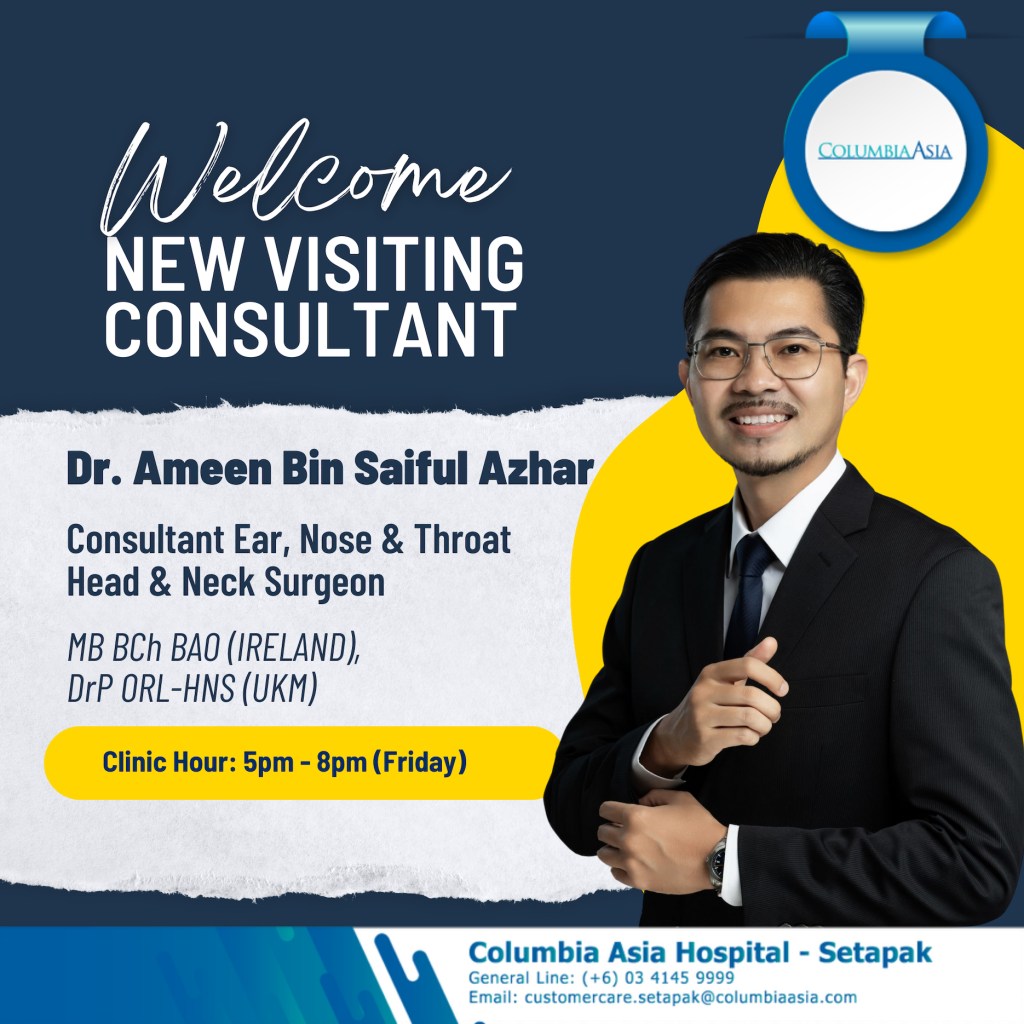







 Dr. Ameen, ENT Specialist in Kuala Lumpur