


Torticollis (Twisted Neck): When Neck Stiffness Is a Red Flag
Torticollis, also known as a twisted neck, refers to an abnormal head posture where the neck is tilted or rotated to one side. While acute torticollis is often caused by muscle spasm, persistent or painful torticollis in adults may signal deeper pathology, including infection, nerve involvement, or head and neck cancer.
From an ENT and Head & Neck specialist’s perspective, adult-onset torticollis should never be dismissed without proper evaluation.
What Does Torticollis Feel Like?
Patients commonly describe:
- Inability to turn the head normally
- Neck stiffness with pain
- Head tilted to one side at rest
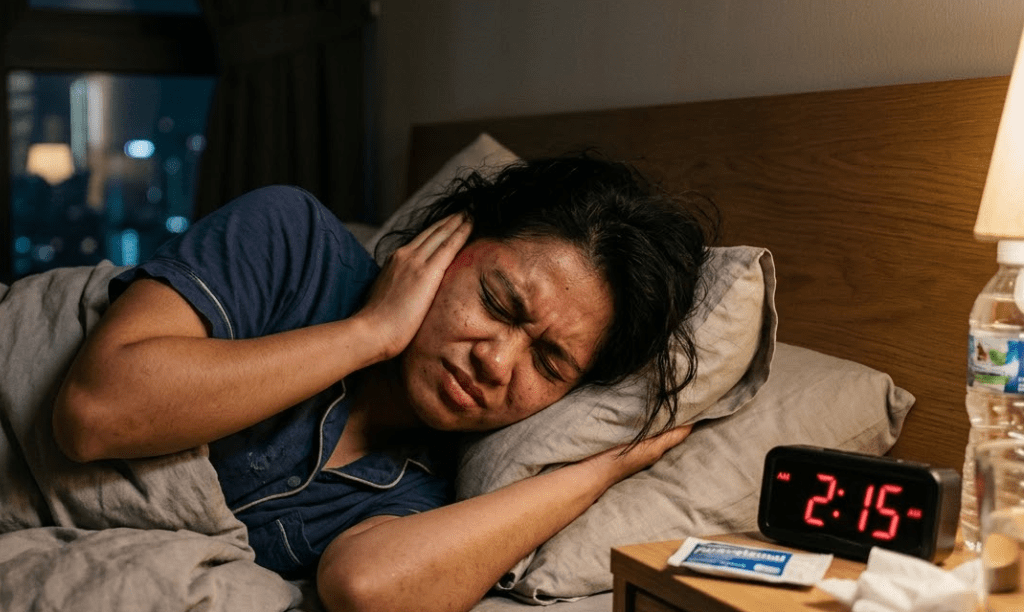
- Pain radiating to shoulder or ear
- Worsening discomfort over days
- Difficulty swallowing or speaking (in severe cases)
Persistence is a key warning sign.
Common Causes of Torticollis in Adults
1. Acute Muscle Spasm
Often sudden, painful, and self-limiting.
2. Deep Neck Infection
Inflammation or abscess can cause protective neck posturing.
3. Cervical Lymph Node Pathology
Enlarged or inflamed nodes restrict movement.
4. Parapharyngeal or Retropharyngeal Space Disease
Serious infections or tumours can present with neck deviation.
5. Head & Neck Cancer
Tumours may cause nerve involvement or mechanical restriction.
6. Cervical Spine or Neurological Disease
Must be excluded when symptoms persist.
🚨 Red Flags You Must Not Ignore
Seek urgent ENT assessment if torticollis:
- Persists more than 1–2 weeks
- Is progressively worsening
- Is associated with neck swelling
- Causes difficulty swallowing or breathing
- Is accompanied by fever or weight loss
- Occurs without obvious muscle strain
Adult torticollis is not always benign.
How an ENT Specialist Evaluates Torticollis
ENT assessment focuses on excluding deep neck pathology:
- Detailed history and symptom timeline
- Full head & neck examination
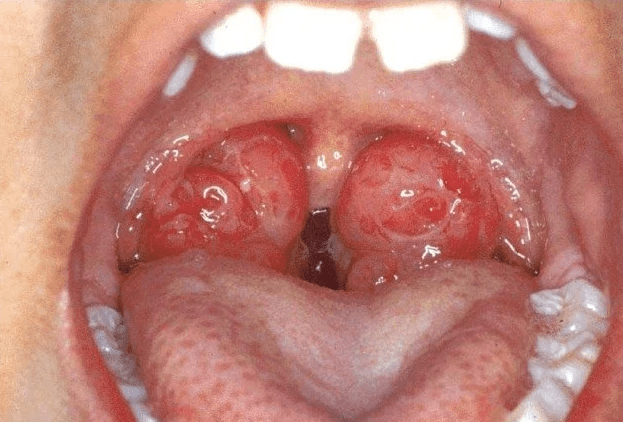
- Oral and throat assessment
- Flexible nasoendoscopy
- Ultrasound or CT scan of the neck
- Blood tests or biopsy when indicated
This ensures serious causes are not missed.
Treatment Depends on the Cause
✅ Benign Muscle Causes
- Pain relief and muscle relaxants
- Physiotherapy
✅ Infection
- Antibiotics or drainage
✅ Malignancy
- Urgent referral to head & neck cancer team
- Early diagnosis improves outcomes
When Should You See an ENT Specialist in Kuala Lumpur?
Consult an ENT specialist if:
- Neck stiffness does not improve
- Head remains tilted or rotated
- There are associated red-flag symptoms
Early evaluation prevents dangerous delays.
👨⚕️ ENT Specialist’s Perspective
Torticollis in adults should be approached cautiously. From a head and neck oncology standpoint, persistent twisted neck may reflect deep structural disease, not just muscle strain. ENT evaluation ensures serious causes are identified early and managed safely.
Reviewed by Dr Ameen, ENT Specialist, Kuala Lumpur






 Dr. Ameen, ENT Specialist in Kuala Lumpur