


Unilateral Facial Weakness: Bell’s Palsy or a Serious Warning Sign?
Unilateral facial weakness refers to weakness or paralysis affecting one side of the face, leading to drooping of the mouth, inability to close the eye, or loss of facial expression. While Bell’s palsy is a common cause, not all facial weakness is benign.
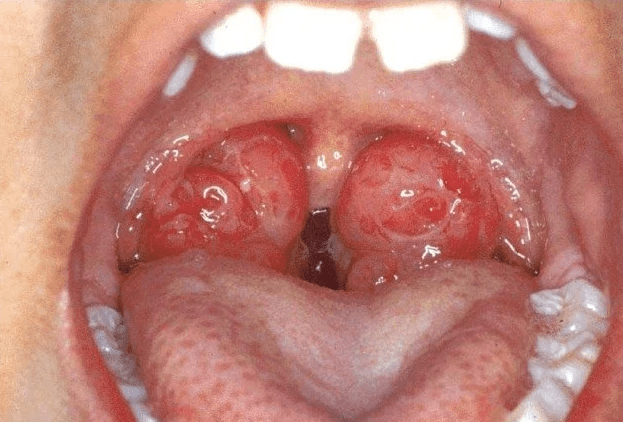
From an ENT and Head & Neck specialist’s perspective, unilateral facial weakness must be carefully assessed to exclude stroke, ear disease, parotid tumours, skull base pathology, or head and neck cancer. Early evaluation is critical.
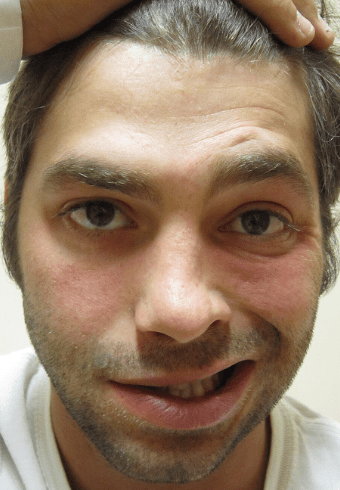
What Does Unilateral Facial Weakness Look Like?
Patients or family members may notice:
- Drooping of one side of the face
- Inability to close one eye fully
- Crooked smile
- Slurred speech
- Food leaking from the mouth
- Reduced facial expression on one side
Weakness may develop suddenly or gradually.
Common Causes of Unilateral Facial Weakness
1. Bell’s Palsy
Sudden onset facial nerve paralysis, usually idiopathic.
2. Stroke (Central Cause)
Often spares the forehead and requires urgent emergency care.
3. Middle Ear or Mastoid Infection
Inflammation can affect the facial nerve, e.g. Ramsay Hunt Syndrome
4. Parotid Gland Tumours
Facial nerve runs through the parotid gland — weakness here is malignant until proven otherwise.
5. Skull Base or Head & Neck Cancer
Tumour invasion of the facial nerve.
6. Trauma or Post-Surgical Injury
Direct nerve damage.
🚨 Red Flags You Must Not Ignore
Seek urgent medical or ENT assessment if facial weakness:
- Develops gradually or progressively
- Is associated with neck lump or parotid swelling
- Comes with hearing loss or ear pain
- Is accompanied by severe headache or limb weakness
- Persists beyond 3 weeks
- Occurs in patients with cancer risk factors
Facial weakness is not always Bell’s palsy.
How an ENT Specialist Evaluates Facial Weakness
ENT assessment is structured and urgent:
- Detailed timeline of onset
- Full cranial nerve examination
- Ear, parotid, and neck examination
- Flexible nasoendoscopy
- Audiological assessment if needed
- CT or MRI of brain, temporal bone, or parotid
- Referral to neurology if indicated
Correct localisation is essential.
Treatment Depends on the Cause
✅ Bell’s Palsy
- Early steroids
- Eye protection and lubrication
✅ Infection
- Antibiotics/Antiviral or surgical drainage
✅ Tumours or Malignancy
- Urgent referral to head & neck cancer team
- Surgery ± radiotherapy
✅ Stroke
- Emergency stroke protocol
Early treatment improves nerve recovery and survival.
When Should You See an ENT Specialist in Kuala Lumpur?
Consult an ENT specialist urgently if:
- Facial weakness affects one side
- Symptoms worsen or fail to improve
- There is associated ear or neck swelling
Prompt ENT assessment avoids dangerous misdiagnosis.
👨⚕️ ENT Specialist’s Perspective
Unilateral facial weakness is a localising neurological sign. From a head and neck oncology standpoint, facial nerve involvement may indicate parotid or skull base malignancy. ENT assessment ensures benign conditions are treated promptly while serious causes are not missed.
Reviewed by Dr Ameen, ENT Specialist, Kuala Lumpur

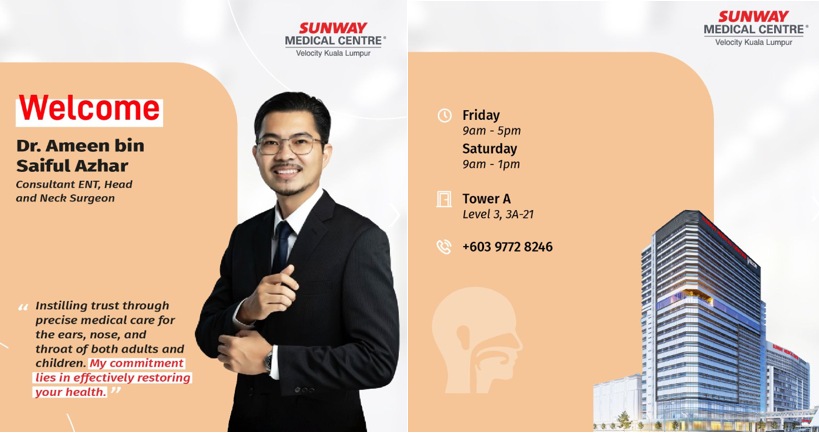
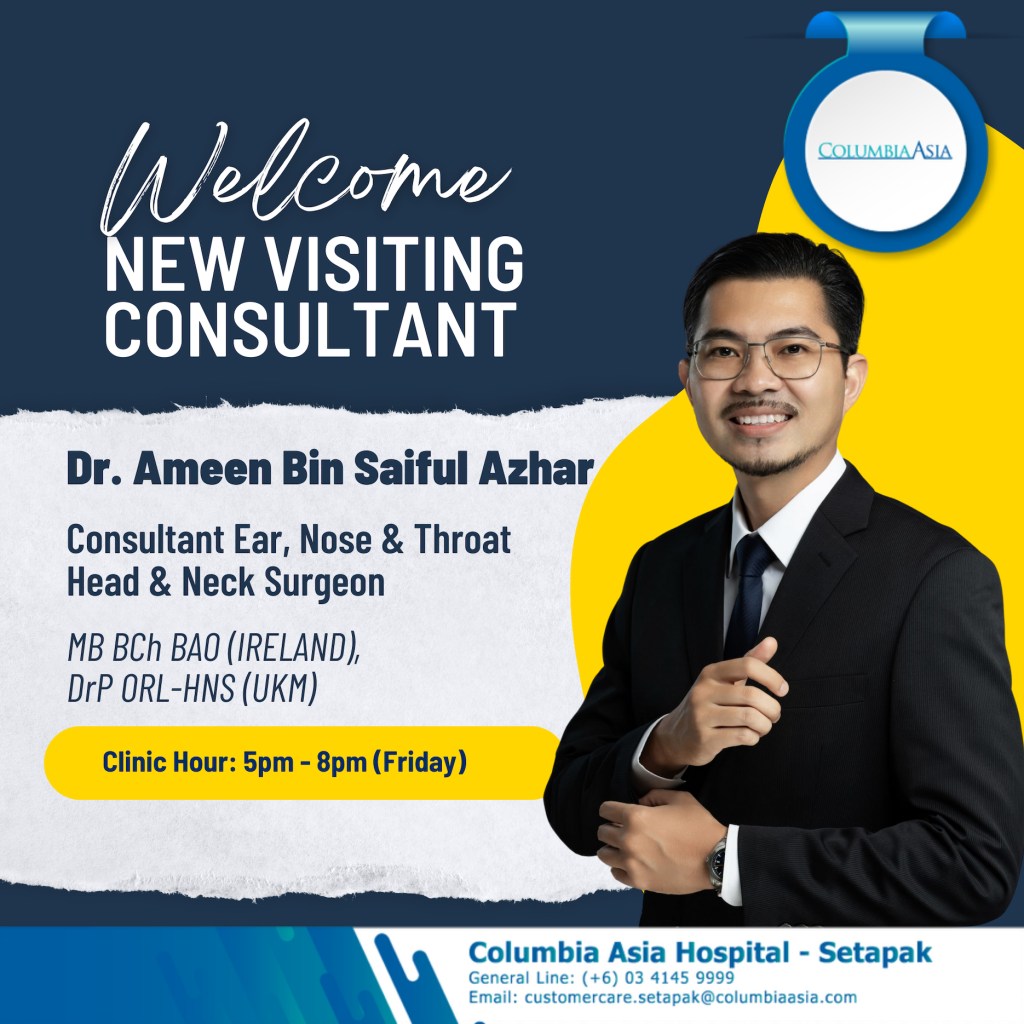


 Dr. Ameen, ENT Specialist in Kuala Lumpur