



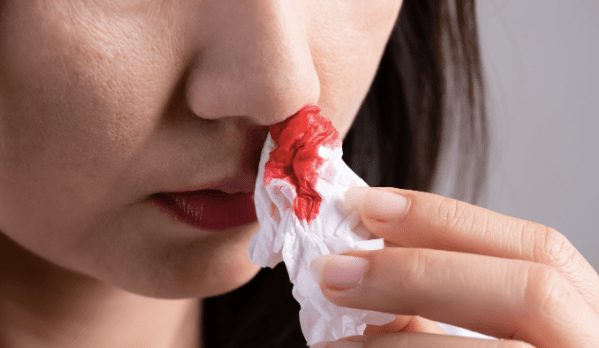
Nosebleeds, also known as epistaxis, can be an unsettling and inconvenient occurrence for many people. They can range from minor and temporary to more severe and persistent cases. Whether you experience nosebleeds frequently or occasionally, it’s important to know how to prevent and treat them effectively. In this article, we will provide you with seven essential tips to help you stop the bleed and manage nosebleeds.
Table of Contents
Understanding Nosebleeds
Tip 1: Maintain Proper Nasal Moisture
Tip 2: Use a Humidifier
Tip 3: Avoid Nasal Irritants
Tip 4: Apply Gentle Pressure
Tip 5: Lean Forward and Breathe through Your Mouth
Tip 6: Use Cold Compresses
Tip 7: Seek Medical Attention if Necessary
Understanding Nosebleeds
Before diving into the prevention and treatment tips, let’s gain a better understanding of nosebleeds. A nosebleed occurs when the blood vessels in the nose rupture, leading to bleeding from one or both nostrils. Common causes of nosebleeds include dry air, picking or blowing the nose too hard, allergies, nasal infections, high altitudes, trauma to the nose, and certain medical conditions.
Tip 1: Maintain Proper Nasal Moisture
One of the primary reasons for nosebleeds is dryness in the nasal passages. To prevent this, it’s essential to keep your nasal passages moist. You can achieve this by using a saline nasal spray or applying a thin layer of petroleum jelly inside your nostrils. These measures help to lubricate the nasal tissues and reduce the risk of nosebleeds.
Tip 2: Use a Humidifier
Using a humidifier in your home or office can significantly improve the moisture levels in the air. Dry air can irritate the nasal passages and make them more susceptible to bleeding. By introducing moisture into the environment, a humidifier helps to alleviate dryness and reduce the occurrence of nosebleeds.
Tip 3: Avoid Nasal Irritants
Certain substances can irritate the nasal passages and increase the likelihood of nosebleeds. It’s important to avoid irritants such as tobacco smoke, strong chemical fumes, and excessive use of nasal sprays. These irritants can dry out the nasal tissues and make them more prone to bleeding.
Tip 4: Apply Gentle Pressure
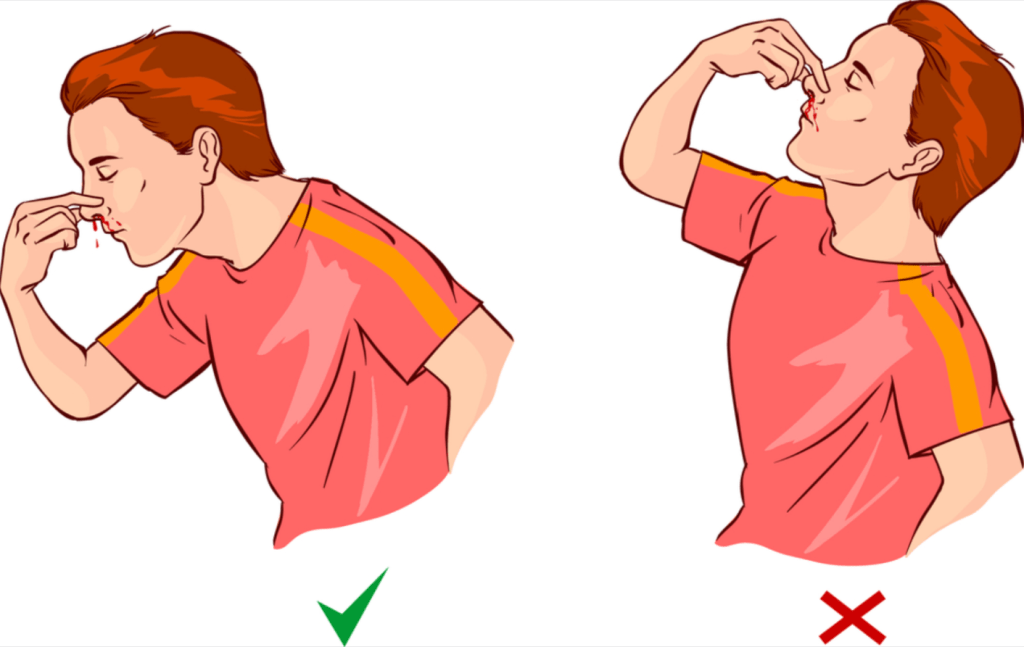
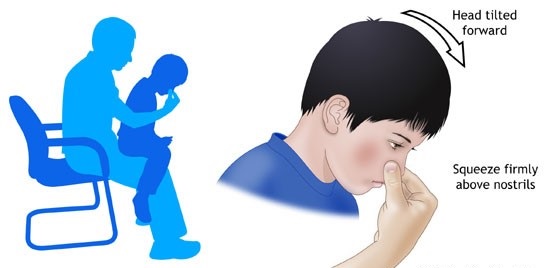
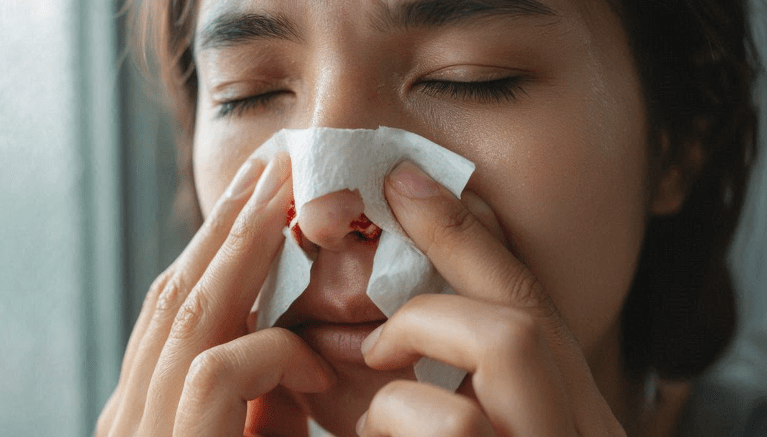
When a nosebleed occurs, applying gentle pressure is an effective way to stop the bleeding. Sit upright and lean slightly forward to prevent the blood from flowing down the throat. Pinch your nostrils together with your thumb and index finger and hold them for about 10 to 15 minutes. This action helps to compress the blood vessels and promote clotting.
Tip 5: Lean Forward and Breathe through Your Mouth
Contrary to popular belief, leaning backward during a nosebleed can actually cause blood to flow down the throat, potentially leading to choking or vomiting. It’s best to lean forward slightly and breathe through your mouth to avoid swallowing blood. Spit out any blood that accumulates in your mouth to prevent discomfort.
Tip 6: Use Cold Compresses
Applying a cold compress to the bridge of your nose can constrict the blood vessels and aid in stopping the bleeding. Wrap a few ice cubes in a clean cloth or use a bag of frozen vegetables, and gently press it against the affected area. The cold temperature helps to reduce blood flow and encourages clotting.
Tip 7: Seek Medical Attention if Necessary
In most cases, nosebleeds can be managed at home with the aforementioned tips. However, if the bleeding persists for more than 20 minutes, if you experience frequent nosebleeds, or if they are accompanied by other concerning symptoms, it’s important to seek medical attention. A healthcare professional can assess the underlying cause and provide appropriate treatment.
Conclusion
Nosebleeds can be bothersome, but with the right knowledge and preventive measures, you can effectively manage them. Remember to maintain proper nasal moisture, use a humidifier, avoid nasal irritants, apply gentle pressure during a nosebleed, lean forward and breathe through your mouth, use cold compresses, and seek medical attention if needed. By following these essential tips, you can take control and stop the bleed when nosebleeds occur.
FAQs
1. Are nosebleeds a cause for concern?
While nosebleeds are often harmless and resolve on their own, frequent or severe nosebleeds may indicate an underlying health condition. If you have any concerns, it is recommended to seek guidance from a healthcare professional.
2. Can nosebleeds be prevented?
Yes, nosebleeds can often be prevented by maintaining proper nasal moisture, avoiding nasal irritants, and using a humidifier to add moisture to the air.
3. Is it necessary to seek medical attention for every nosebleed?
Most nosebleeds can be managed at home with self-care measures. However, if the bleeding is severe, persistent, or accompanied by other worrisome symptoms, it’s best to consult a doctor.
4. Can nose-picking cause nosebleeds?
Yes, picking your nose forcefully or too frequently can damage the delicate blood vessels in the nose, leading to nosebleeds.
5. How can I differentiate between a minor nosebleed and a more serious one?
Typically, minor nosebleeds can be stopped within a few minutes with basic self-care measures. If the bleeding persists for an extended period or if it occurs frequently, it may require medical attention.
KOMEN SAYA:
Hidung berdarah (epistaxis) memang selalu terjadi pada kanak-kanak berusia 3-8 tahun (pada pengalaman saya), dan selalunya disebabkan keradangan hidung (rhinitis) yang tidak dikawal. Jika ibu bapa atau pesakit tahu untuk memberhentikan darah, ia telah menolong doktor 50% daripada kerja kami :D.
Trotter’s method ialah cara yang efektif untuk berhentikan pendarahan hidung :
1 – tunduk kepala ke depan (seperti gambar di atas)
2 – picit dan tutup kedua2 belah hidung, dan bernafas menggunakan mulut
3 – letak ais di dahi atau kumur air sejuk untuk membantu pengecutan salur darah
Kesemua di atas, boleh dibuat 3-5minit, insyallah darah berhenti. Kemudian, jumpa doktor untuk mengetahui apa puncanya, dan kami akan membantu anda untuk memilih ubat/prosedur yang paling sesuai.
Apa jadi jika darah tidak berhenti? Boleh ulang semula langkah-langkah diatas untuk beberapa kali. Jika tidak berhenti juga? Sila ulangi Trotter’s method sampai ke Jabatan Kecemasan Hospital ya 🙂 sumbat hidung dengan tisu tidak membantu dalam situasi yang parah (pendarahan yang banyak)
Sila tonton video di bawah untuk belajar cara mengawal pendarahan:)







 Dr. Ameen, ENT Specialist in Kuala Lumpur
Leave a comment