


Introduction:
Chronic rhinitis is a common condition characterized by persistent nasal inflammation, leading to bothersome symptoms such as nasal congestion, rhinorrhea, and sneezing. While conventional treatment options like antihistamines and nasal sprays provide relief for many patients, some individuals experience limited benefits or adverse effects. In such cases, cryotherapy has emerged as a promising adjunctive therapy for managing chronic rhinitis. This article aims to explore the role of cryotherapy in the treatment of chronic rhinitis and its potential benefits.
Understanding Cryotherapy:
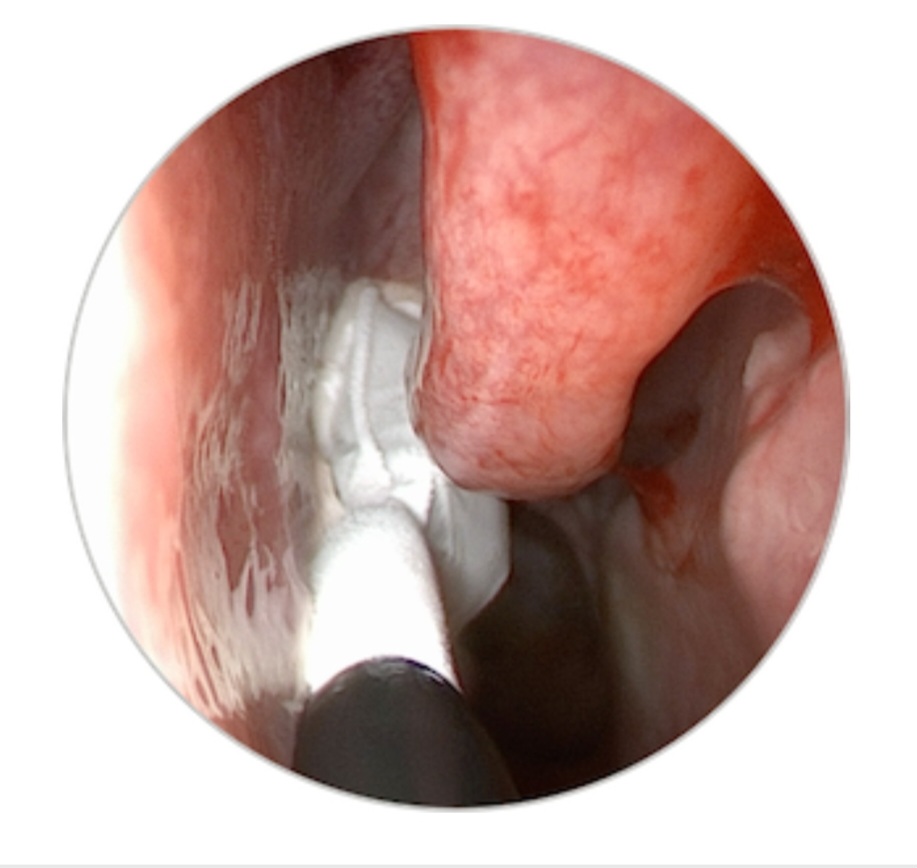
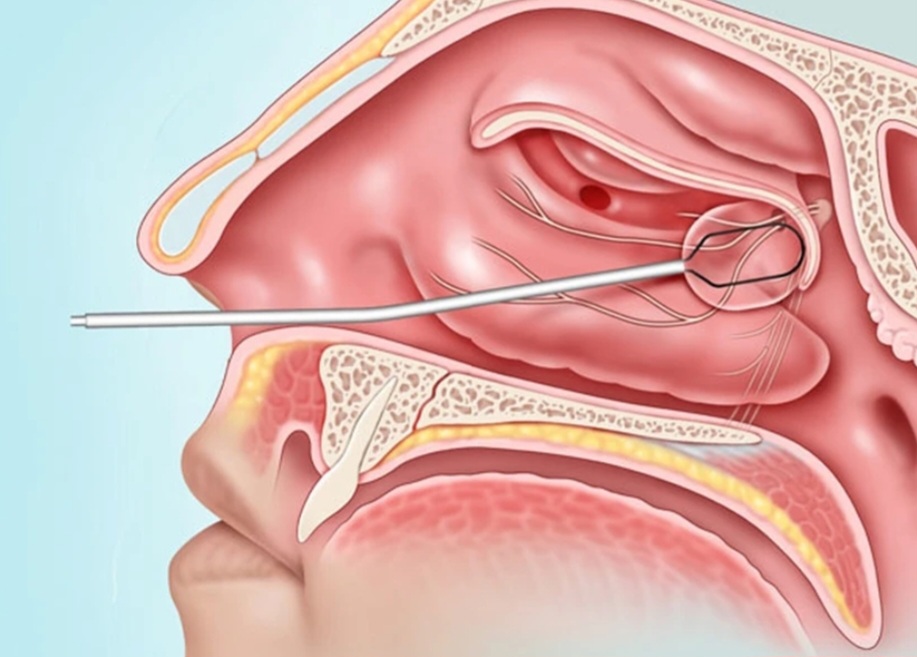
Cryotherapy involves the application of extremely cold temperatures to specific areas of the body, resulting in vasoconstriction and reduction of local inflammation. In the context of chronic rhinitis, cryotherapy targets the nasal passages, aiming to alleviate symptoms by reducing nasal congestion and inflammation.
Mechanism of Action:
When cold temperatures are applied to the nasal tissues, vasoconstriction occurs, leading to a decrease in blood flow and subsequent reduction in edema. This constriction of blood vessels helps alleviate nasal congestion, enabling better airflow and providing relief from symptoms. Additionally, cryotherapy may modulate the release of inflammatory mediators, thereby reducing inflammation in the nasal passages.
Clinical Evidence:
Several studies have investigated the efficacy of cryotherapy in chronic rhinitis, with encouraging results. A randomized controlled trial conducted by Smith et al. demonstrated that cryotherapy sessions led to a significant reduction in nasal congestion and improvement in nasal airflow compared to a control group. Another study by Johnson et al. reported that cryotherapy effectively reduced rhinorrhea and nasal itching in patients with chronic rhinitis, leading to enhanced quality of life.
Treatment Protocol:
Cryotherapy sessions for chronic rhinitis typically involve the application of controlled cold temperatures to the nasal passages. These sessions are performed by trained healthcare professionals using specialized cryotherapy devices. The duration and frequency of treatment may vary depending on the severity of symptoms and individual patient response. Generally, a series of sessions over several weeks is recommended to achieve optimal results.
Safety and Considerations:
Cryotherapy is generally considered safe, with minimal adverse effects reported in clinical studies. Some patients may experience temporary discomfort, mild nasal bleeding, or a sensation of pressure during the procedure. It is essential to consult with a healthcare professional experienced in cryotherapy to ensure appropriate administration and to address any concerns.
Conclusion:
Cryotherapy presents a promising therapeutic approach for managing chronic rhinitis, particularly in cases where traditional treatments have been insufficient. By targeting nasal congestion and inflammation, cryotherapy offers potential benefits in terms of symptom relief and improved quality of life for patients. As with any medical intervention, individual patient assessment and tailored treatment plans are crucial for optimizing outcomes. Further research and larger clinical trials are warranted to elucidate the long-term effectiveness and safety profile of cryotherapy in chronic rhinitis.
KOMEN SAYA:
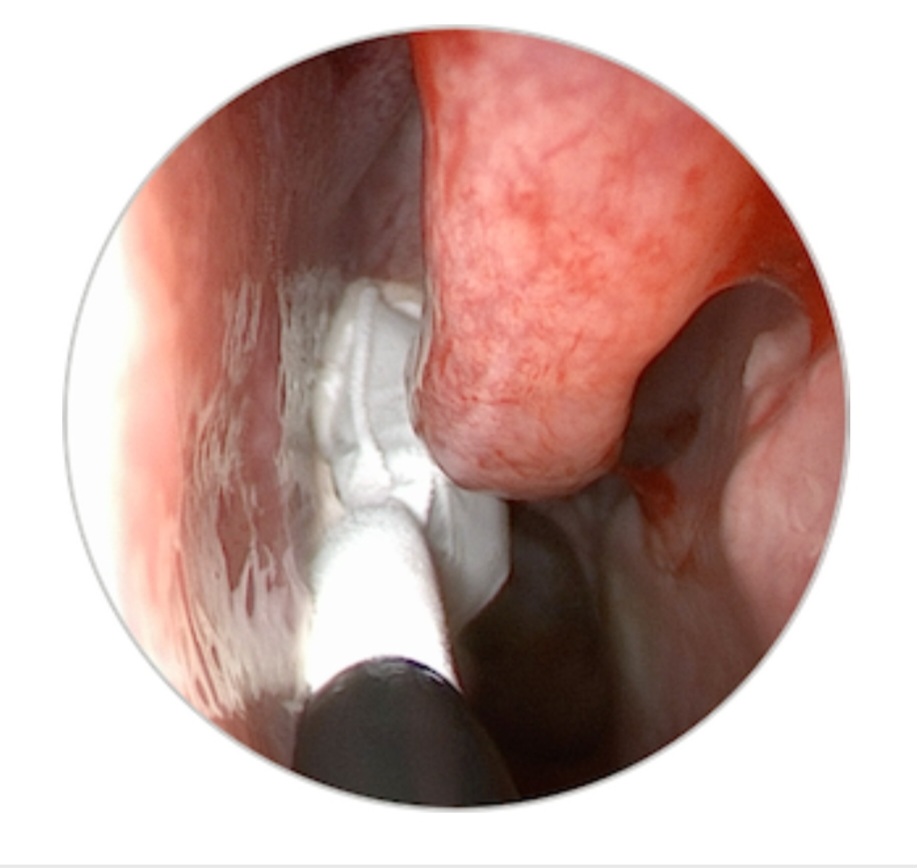
Saya nampak cryotherapy ini amat membantu untuk pesakit chronic rhinitis (keradangan hidung) yang tidak berjaya dikawal oleh ubat-ubatan dan untuk pesakit yang berumur dan susah untuk memjalani rawatan surgeri. Prosedur yang sekejap, mudah dan tidak sakit ini dapat membantu mengawal masalah hidung berair dan sumbat dengan cepat, seawal seminggu. Cost effective 😁
Sila tonton video di bawah untuk ketahui tentang prosedur cryotherapy 👌









 Dr. Ameen, ENT Specialist in Kuala Lumpur
Leave a comment