


Introduction
Welcome to the world of hearing loss, where knowledge is power! In this article, we will explore the various aspects of hearing loss, including its causes, types, and available solutions. By empowering yourself with information about hearing loss, you can take proactive steps towards addressing this condition and improving your quality of life.
Understanding Hearing Loss
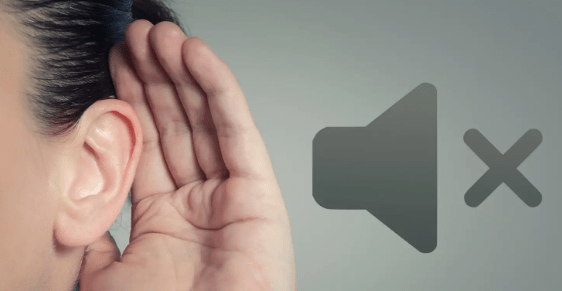
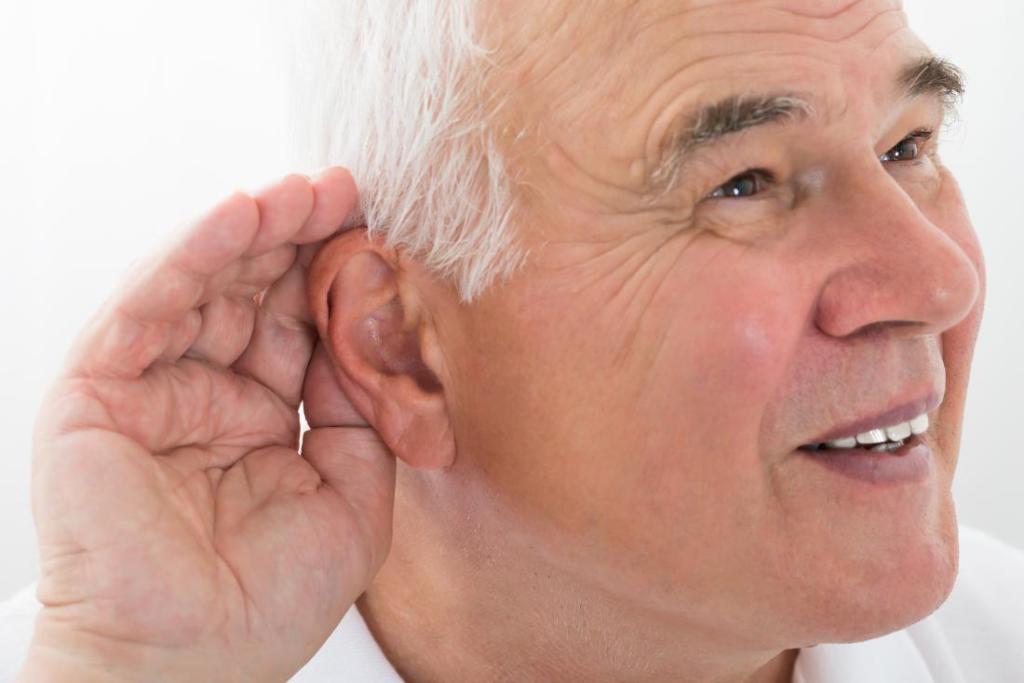
Hundreds of thousands of individuals across the globe experience the prevalent condition of auditory impairment, commonly known as hearing loss. It occurs when there is a reduced ability to hear sounds or understand speech. Hearing loss can be temporary or permanent and can range from mild to profound.
Common Causes of Hearing Loss
Numerous elements play a role in the development of auditory impairment, encompassing a wide range of factors that contribute to hearing loss. Some of the common causes include:
-Age-related factors
-Exposure to loud noise
-Genetics and family history
-Ear infections and diseases
-Medications and ototoxicity
-Trauma or injury to the ear
Types of Hearing Loss
Three primary classifications of auditory impairment exist, encompassing conductive, sensorineural, and mixed hearing loss.
1- Conductive Hearing Loss: This type of hearing loss occurs when there is a problem conducting sound waves from the outer to the inner ear. It can be caused by earwax buildup, fluid in the middle ear, or problems with the ear canal or eardrum.
2- Sensorineural hearing loss arises when either the inner ear or the auditory nerve sustains damage, resulting in compromised auditory function. It is the most common type of hearing loss and is often caused by aging, noise exposure, or certain medical conditions.
3- Mixed hearing loss occurs when an individual experiences a blend of both conductive and sensorineural hearing impairments, thereby resulting in a combined auditory dysfunction. It occurs when there are problems in both the outer or middle ear and the inner ear or auditory nerve.
Signs and Symptoms of Hearing Loss
The signs and symptoms of hearing loss can vary depending on the individual and the severity of the condition. Some common signs include:
-Difficulty understanding speech, especially in noisy environments
-Asking others to repeat themselves frequently
-Experiencing the sensation that individuals around you are speaking indistinctly or incoherently,
-Increasing the volume of the television or radio to compensate for perceived difficulties in hearing,
-Encountering tinnitus, characterized by the presence of a persistent ringing or buzzing noise in the ears.
-Withdrawing from conversations and social interactions
The Importance of Early Detection
Early detection of hearing loss is crucial for effective management and treatment. Recognizing the signs and symptoms and seeking professional help at the earliest can prevent further deterioration and improve the chances of successful intervention.
Seeking Professional Help
If you suspect you have hearing loss, it is essential to consult a hearing healthcare professional. They are trained to diagnose and treat hearing loss and can guide you through the appropriate steps for managing your condition.
Hearing Tests and Assessments
To determine the extent and type of hearing loss, a series of tests and assessments may be conducted. These tests include:
– Pure-tone audiometry: This test measures your hearing threshold for different frequencies and intensities.
– Speech audiometry: Diagnostic assessment that assesses an individual’s capacity to perceive and comprehend spoken language.
– Tympanometry: It assesses the movement of your eardrum in response to changes in air pressure.
– The Otoacoustic Emissions (OAE) examination evaluates the auditory system by gauging the acoustic emissions produced by the inner ear as a response to external stimuli.
Treatment Options for Hearing Loss
The treatment options for hearing loss depend on the type and severity of the condition. Some common treatment options include:
1- Hearing aids :Compact electronic instruments designed to amplify sounds, thereby enhancing auditory capabilities for individuals affected by hearing loss. These devices are available in a range of styles and can be personalized to cater to individual requirements.
2- Assistive Listening Devices: These devices help individuals with hearing loss in specific situations. Examples include TV listening systems, captioned telephones, and FM systems.
3- Communication Strategies: Learning effective communication strategies can help individuals with hearing loss navigate social interactions and improve their overall communication skills. This may involve techniques such as lip-reading, using visual cues, and advocating for your needs.
Protecting Your Hearing
Taking proactive measures plays a vital role in safeguarding against the onset of auditory impairment. By taking proactive measures to protect your hearing, you can reduce the risk of developing hearing loss. Here are some tips:
– Use ear protection in loud environments, such as concerts or construction sites.
– Maintain a moderate volume setting while engaging in activities such as listening to music or watching television.
– Take breaks from noisy environments to give your ears a rest.
– Avoid inserting objects into your ears, as it can damage the delicate structures.
Assistance and Available Assets for Individuals Affected by Auditory Impairment
Living with hearing loss can present challenges, but there are numerous support networks and resources available to help you. Here are some options to consider:
1- Join support groups or online communities for individuals with hearing loss.
2- Seek counseling or therapy to address any emotional or psychological effects of hearing loss.
3- Stay updated with the latest research and advancements in hearing loss treatment.
4- Explore assistive technologies and apps designed to improve communication and accessibility.
Conclusion
In conclusion, hearing loss is a prevalent condition that can significantly impact an individual’s quality of life. By understanding the causes, types, and available solutions for hearing loss, you can empower yourself to take control of your hearing health. Remember to seek professional help, undergo regular hearing tests, and explore suitable treatment options to address your specific needs.
KOMEN SAYA:
Kurang pendengaran ini adalah satu simptom yang agak umum di dengar di kalangan pesakit yang berumur, tetapi kalau berlaku di kalangan kanak-kanak atau orang muda, puncanya perlu dicari segera agar masalah dapat diatasi secepat mungkin. Jika berlaku pada kanak-kanak 1-5tahun, memang teramat penting untuk diubati agar tidak kehilangan upaya untuk bercakap.
Jika ada masalah pendengaran, sila jumpa Pakar ENT atau audiologist yang berdaftar 🙂









 Dr. Ameen, ENT Specialist in Kuala Lumpur
Leave a comment