


Are you tired of constantly struggling with nasal congestion? Does the feeling of stuffiness make it difficult for you to breathe freely? If so, you’re not alone. Chronic nasal congestion is a common issue that affects millions of people worldwide. Fortunately, there are several powerful solutions available to help alleviate this bothersome condition. In this article, we will explore effective remedies and strategies that can provide relief and transform your nasal passages from stuffy to serene. Let’s dive in!

Table of Contents
1. Introduction: Understanding Chronic Nasal Congestion
2. Identifying the Causes of Nasal Congestion
3. Lifestyle Changes for Nasal Congestion Relief
4. Over-the-Counter Medications for Nasal Congestion
5. Natural Remedies and Home Treatments
6. Allergy Management to Reduce Nasal Congestion
7. Seeking Medical Intervention for Nasal Congestion
8. Surgical Options for Chronic Nasal Congestion
9. Prevention Techniques for Nasal Congestion
10. The Importance of Regular Nasal Care
11. Conclusion
12. FAQ
1. Introduction: Understanding Chronic Nasal Congestion
Chronic nasal congestion refers to the persistent blockage of the nasal passages, resulting in difficulty breathing through the nose. It can be caused by various factors, such as allergies, sinus infections, structural abnormalities, or even environmental irritants. Understanding the underlying causes is crucial in finding effective solutions for long-term relief.

2. Identifying the Causes of Nasal Congestion
Understanding the underlying causes of nasal congestion is essential in finding appropriate solutions. Outlined below are a few typical factors that contribute to nasal congestion:
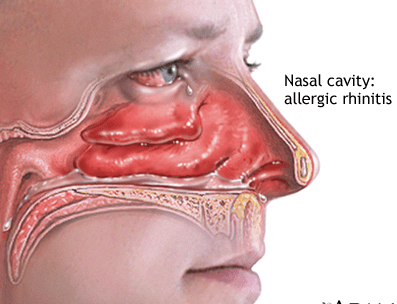
Allergies: Allergic rhinitis, commonly known as hay fever, is a prevalent cause of nasal congestion. When allergens such as pollen, dust mites, or pet dander are inhaled, the body releases histamines, leading to nasal inflammation and congestion.
Sinus Infections: Sinusitis, which is inflammation or infection of the sinuses, can cause nasal congestion. The swelling and excess mucus production in the sinuses block the nasal passages, resulting in congestion.
Structural Abnormalities: Deviated septum, where the nasal septum (the partition between the nostrils) is crooked or off-center, can obstruct airflow and lead to nasal congestion. Enlarged turbinates or nasal polyps can also contribute to congestion.
Environmental Irritants: Exposure to irritants such as cigarette smoke, strong chemicals, air pollution, or dry air can irritate the nasal passages and cause congestion.
Medications: Some medications, such as certain blood pressure medications or nasal decongestant sprays (used for extended periods), can cause rebound congestion, where the nasal passages become even more congested when the medication is stopped.
By identifying the specific cause of nasal congestion, whether it’s allergies, infections, structural issues, or environmental factors, appropriate treatment strategies can be implemented to provide relief and improve overall nasal health.
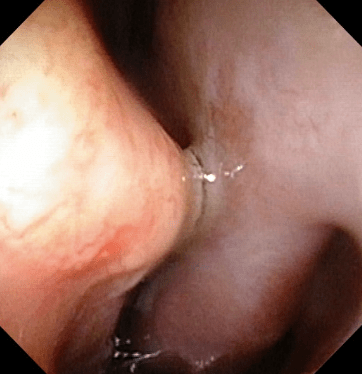
Deviated nasal septum
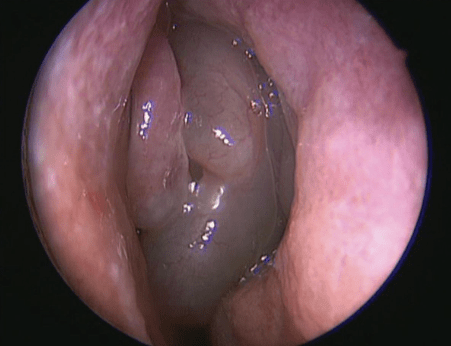
Nasal polyp
3. Lifestyle Changes for Nasal Congestion Relief
Making certain lifestyle changes can significantly improve nasal congestion symptoms. Avoiding triggers, such as dust, pollen, or strong fragrances, can help minimize discomfort. Maintaining a clean and dust-free environment, using a humidifier to add moisture to the air, and staying hydrated are simple yet effective strategies to alleviate congestion.
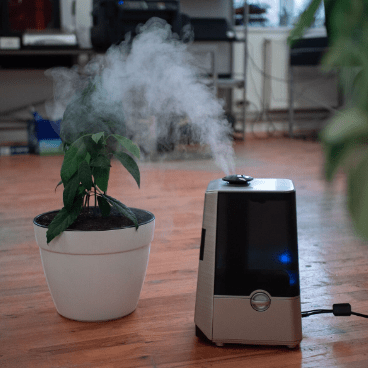
Humidifier
4. Over-the-Counter Medications for Nasal Congestion
Over-the-counter medications are readily available and can provide temporary relief from nasal congestion. Decongestant nasal sprays and oral antihistamines can help reduce swelling and inflammation in the nasal passages, allowing for improved airflow. Nevertheless, adhering to the provided guidelines and seeking guidance from a medical expert is crucial in the event that symptoms endure.
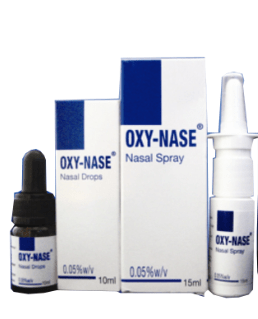
Nasal decongestant spray
5. Natural Remedies and Home Treatments
Many natural remedies and home treatments can alleviate nasal congestion without relying on medication. Nasal irrigation using a saline solution can help clear mucus and reduce inflammation. Steam inhalation with essential oils, such as eucalyptus or peppermint, can also provide relief. Additionally, elevating your head while sleeping can promote better drainage and alleviate congestion.

Essential oil
6. Allergy Management to Reduce Nasal Congestion
Allergies are a common cause of nasal congestion, and effectively managing them can significantly reduce congestion symptoms. Highlighted below are several essential aspects worth contemplating:
Identifying Allergens: The first step in allergy management is identifying the specific allergens triggering your nasal congestion. Frequent triggers of allergies encompass pollen, dust mites, pet dander, mold spores, as well as specific food items. An allergist can perform allergy tests to pinpoint the exact allergens affecting you.
Avoiding Allergens: Once you know your allergens, it’s important to take measures to avoid or minimize exposure to them. This may involve keeping windows closed during high pollen seasons, using allergen-proof bedding covers, regularly cleaning and vacuuming your home, and avoiding known triggers.
Using Air Purifiers: Air purifiers with HEPA filters can help remove allergens from the air, creating a cleaner environment and reducing nasal congestion. Place them in the rooms where you spend the most time, such as the bedroom or living room.
Nasal Irrigation: Nasal irrigation with a saline solution can help flush out allergens, mucus, and irritants from the nasal passages, reducing congestion and promoting nasal health. Use a neti pot or a nasal saline rinse kit to perform nasal irrigation.
Medications: Over-the-counter or prescription medications can provide relief from allergy-related nasal congestion. Antihistamines help block the allergic response, while corticosteroid nasal sprays reduce inflammation in the nasal passages. It’s important to consult with a healthcare professional to determine the most appropriate medication for your condition.
Immunotherapy: For individuals with severe allergies and persistent nasal congestion, allergen immunotherapy (allergy shots) may be recommended. This treatment involves gradually exposing the body to small amounts of allergens to build tolerance and reduce symptoms over time.



7. Seeking Medical Intervention for Nasal Congestion
If conservative measures fail to alleviate chronic nasal congestion, seeking medical intervention is recommended. An otolaryngologist (ear, nose, and throat specialist) can conduct a thorough evaluation to identify any structural abnormalities that may require medical or surgical intervention. They may recommend procedures such as septoplasty, turbinate reduction, or balloon sinuplasty to improve airflow and alleviate congestion.
8. Surgical Options for Chronic Nasal Congestion
When conservative measures fail to alleviate chronic nasal congestion or when structural abnormalities are present, surgical options may be considered. Here are some surgical interventions that can help improve nasal airflow and reduce congestion:
Septoplasty: This procedure is performed to correct a deviated septum, which is a common cause of nasal congestion. The surgeon reshapes or removes the deviated portion of the septum to straighten the nasal passage, allowing for improved airflow.
Turbinate Reduction: Turbinates are bony structures inside the nose that help humidify and filter the air we breathe. When they become enlarged or swollen, they can obstruct nasal airflow and contribute to congestion. The surgical procedure of turbinate reduction entails the reduction in size of the nasal turbinates to enhance the flow of air through the nasal passages.
Balloon Sinuplasty: A minimally invasive technique, serves as an effective remedy for chronic sinusitis, a condition that often leads to nasal congestion. A small balloon is inserted into the blocked sinus opening and inflated, gently widening the sinus passages and promoting drainage.
Polypectomy: Nasal polyps are noncancerous growths that can obstruct the nasal passages and cause congestion. Polypectomy involves removing these polyps surgically to alleviate nasal congestion.
Endoscopic Sinus Surgery: For individuals with chronic sinusitis and persistent nasal congestion, endoscopic sinus surgery may be recommended. It involves using a thin, flexible tube with a camera (endoscope) to remove any obstructions, such as polyps or inflamed tissue, from the sinus cavities, improving nasal drainage and reducing congestion.

9. Prevention Techniques for Nasal Congestion
Prevention plays a crucial role in managing chronic nasal congestion. Regularly cleaning your living space, avoiding exposure to known allergens, and practicing good nasal hygiene can help reduce the frequency and severity of congestion. Being proactive and taking preventative measures can significantly improve your overall nasal health.

10. The Importance of Regular Nasal Care
Maintaining regular nasal care is essential for long-term relief from nasal congestion. This includes keeping the nasal passages clean, moisturized, and free from irritants. Using saline nasal sprays, avoiding excessive nose blowing, and protecting your nasal passages in harsh weather conditions are important steps to keep your nasal passages serene and congestion-free.
11. Conclusion
Chronic nasal congestion can be a frustrating and disruptive condition, but it doesn’t have to control your life. By understanding the causes and implementing appropriate solutions, you can regain control over your nasal health. Whether through lifestyle changes, over-the-counter medications, natural remedies, or medical interventions, there are powerful solutions available to alleviate congestion and restore serenity to your nasal passages.
12. FAQ
Q1: Can allergies cause chronic nasal congestion?
Yes, allergies are a common cause of chronic nasal congestion. Identifying and managing allergies can help reduce congestion symptoms.
Q2: Are there any non-medicated remedies for nasal congestion?
Yes, there are several non-medicated remedies, such as nasal irrigation, steam inhalation, and elevating the head while sleeping, that can provide relief from nasal congestion.
Q3: When should I consider surgical options for chronic nasal congestion?
Surgical options should be considered when conservative measures fail to alleviate chronic nasal congestion or when structural abnormalities are present.
Q4: Can nasal congestion be prevented?
While it may not always be possible to prevent nasal congestion entirely, practicing good nasal hygiene, avoiding known triggers, and maintaining a clean living environment can help minimize its occurrence.
Q5: How important is regular nasal care for managing congestion?
Regular nasal care is crucial for managing congestion. It helps keep the nasal passages clean, moisturized, and free from irritants, promoting overall nasal health.
KOMEN SAYA:
Hidung sumbat ni memang masalah besar jikalau sumbat itu berlaku secara total dan dalam jangka masa yang panjang. Pesakit akan rasa tidak selesa, susah nak bernafas, rasa semput, tidak dapat rehat dan tidur yang secukupnya. Ini menyebabkan stress pada mental dan fizikal pesakit.
Pelbagai punca kepada hidung sumbat telah dijumpai, daripada yang tidak serius contohnya keradangan allergi hidung, kepada yang amat serius contohnya kanser hidung. Oleh itu, pesakit digalakkan untuk berjumpa dengan pakar ENT jika sumbat hidung berlarutan dan mengganggu hidup – untuk dapatkan rawatan yang tepat agar segera pulih:)



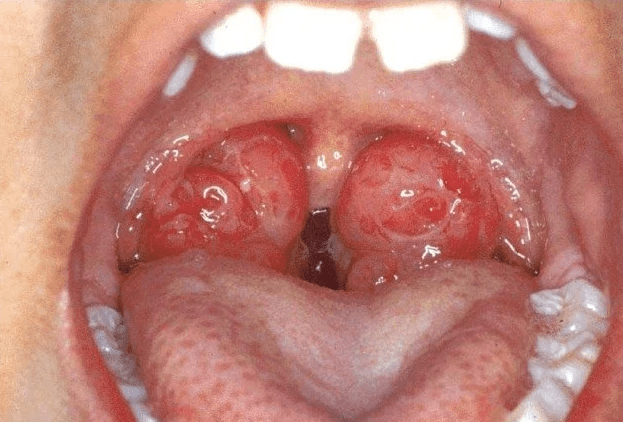




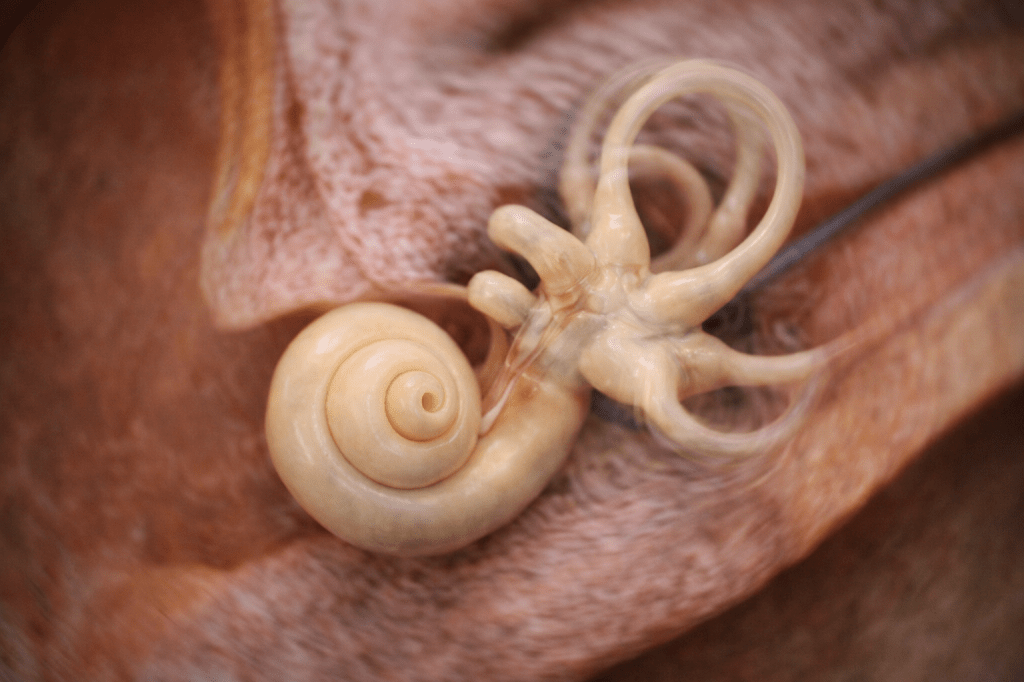
 Dr. Ameen, ENT Specialist in Kuala Lumpur
Leave a comment