


Hello everyone, for today’s post, I will share an article on 3D Printing technology in the ENT field. A meta-analysis was conducted recently, and the paper is as follows:
https://www.mdpi.com/2227-9032/11/1/108
Background: Three-dimensional (3D) printing has allowed great progression in the medical field. In otolaryngology practice, 3D printing can be used for planning in case of malformation/complex surgery, for surgeon training, and for recreating missing tissues. This systematic review aimed to summarize the current benefits and the possible future application of 3D technologies in the otolaryngology field.
Results: Ninety-one articles were included in this systematic review. The articles describe the clinical application of 3D printing in different fields of otolaryngology, from otology to pediatric otolaryngology. The main uses of 3D printing technology discussed in the articles included in the review were surgical planning in temporal bone malformation, the reconstruction of missing body parts after oncologic surgery, allowing for medical training, and providing better information to patients.
Conclusion: The use of 3D printing in otolaryngology practice is constantly growing. However, available evidence is still limited, and further studies are needed to better evaluate the benefits of this technology
Basically, 3DP usage in ENT consists of:
Otology:
1. Surgical training in the field of temporal bone dissection (mastoidectomy) or Bone-anchored Hearing Implant in malformed temporal bone.
2. Ossiculoplasty
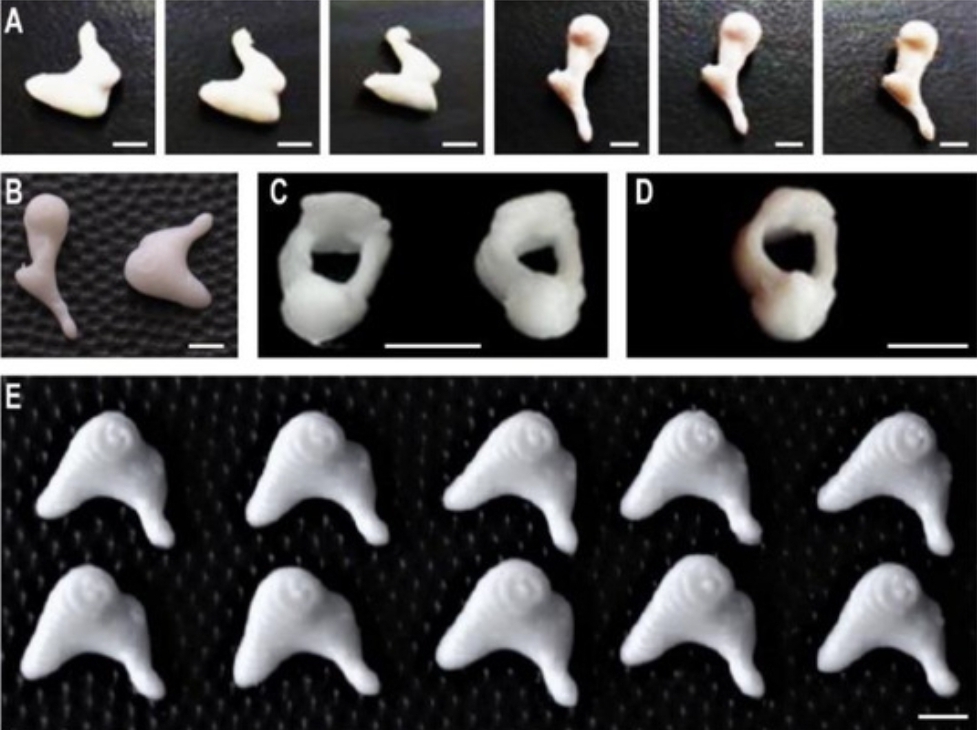
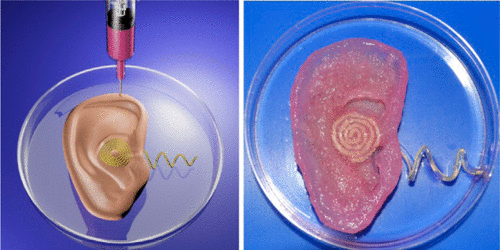
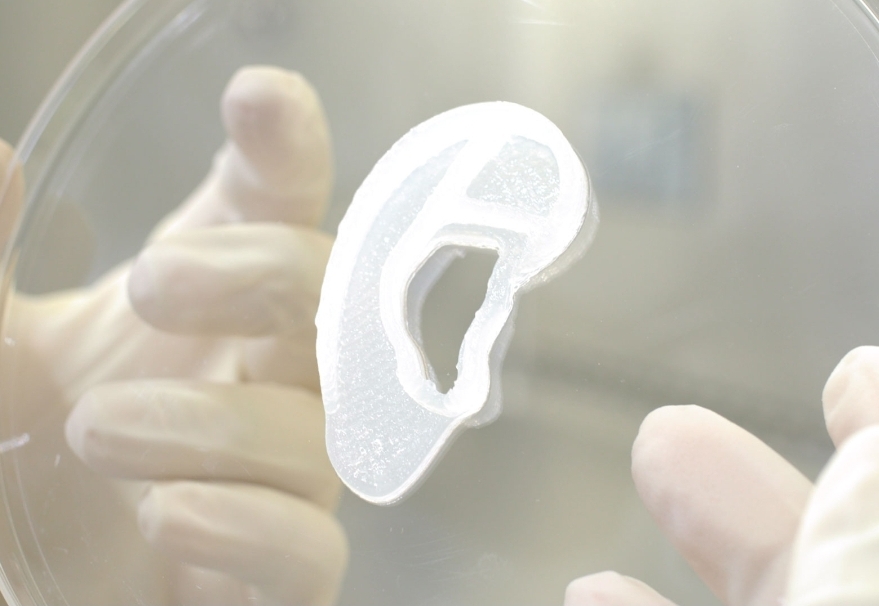
3. Auricular (ear pinna) reconstruction
Rhinology
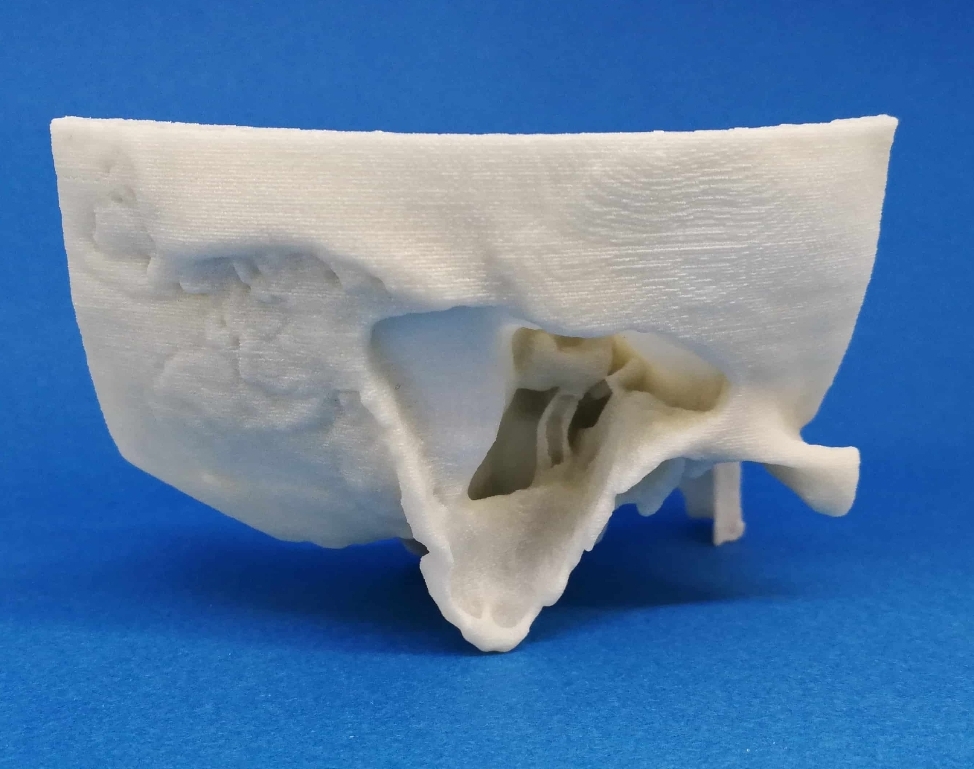
1. 3D-printed model of the paranasal sinuses, frontal sinus and osteomeatal complex to use for endoscopic sinonasal and skull base surgical training
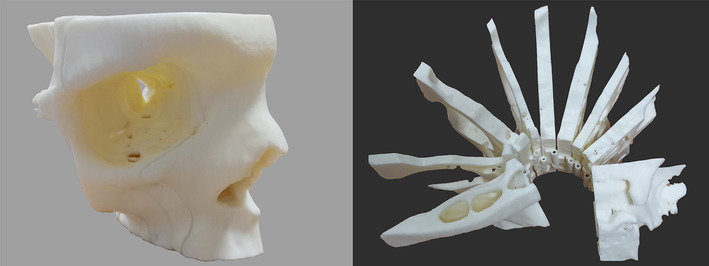
DOI: 10.1007/s00405-018-5051-z
2. Management of petroclival tumors – personalised 3DP model produced for pre-op planning
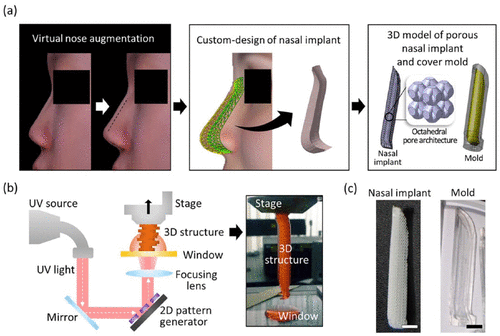
3. 3DP patient-specific silicone implant for augmentation rhinoplasty
4. 3DP nasal septal protheses for septal perforation repair.
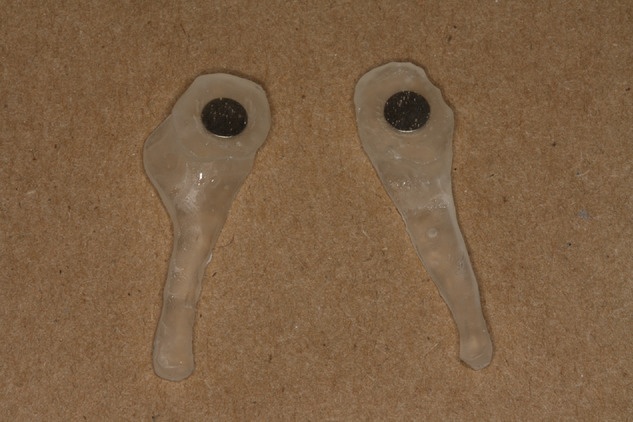
https://doi.org/10.1111/jopr.13064
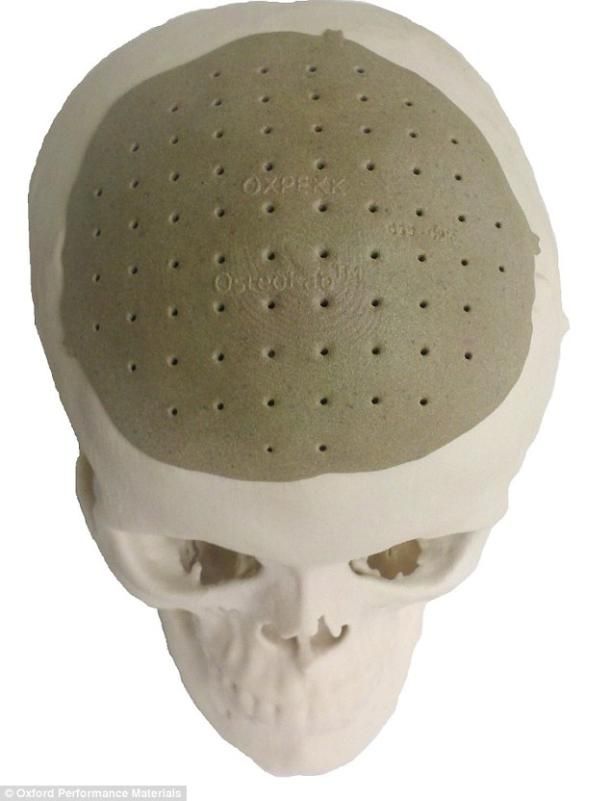
5. 3DP poletheretherketone implant was used for the facial reconstruction of a child with craniofacial fibrous dysplasia and
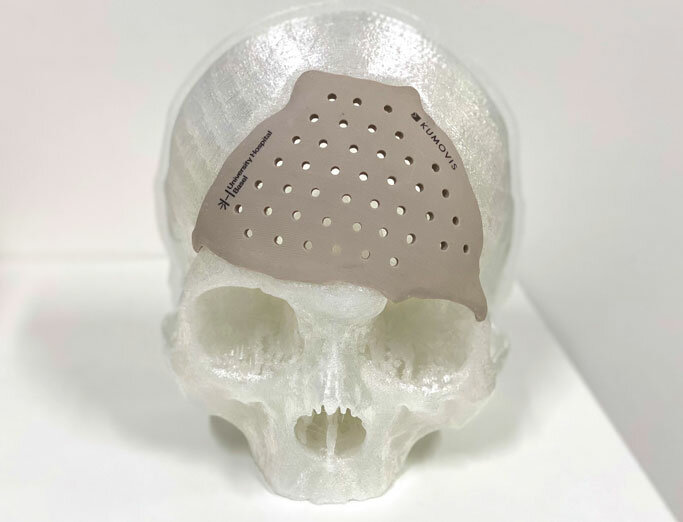
Laryngology
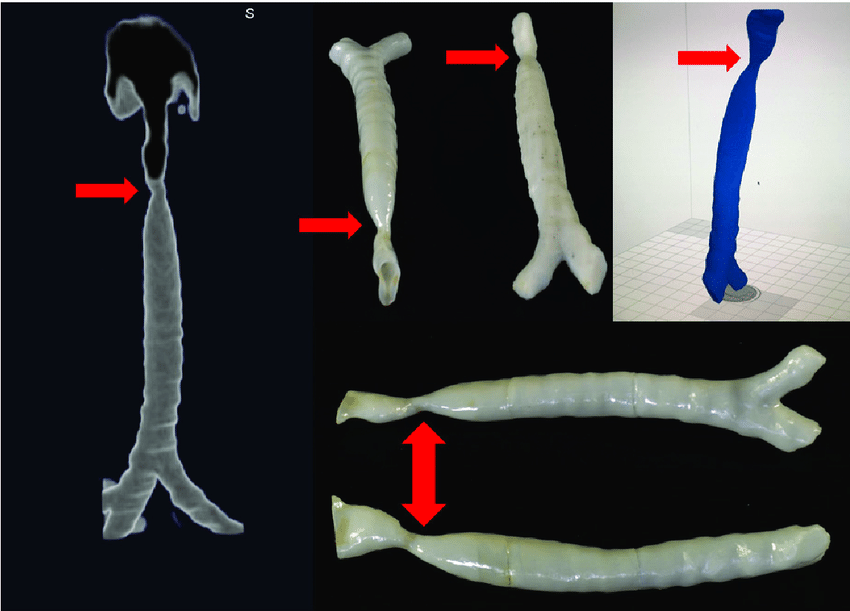
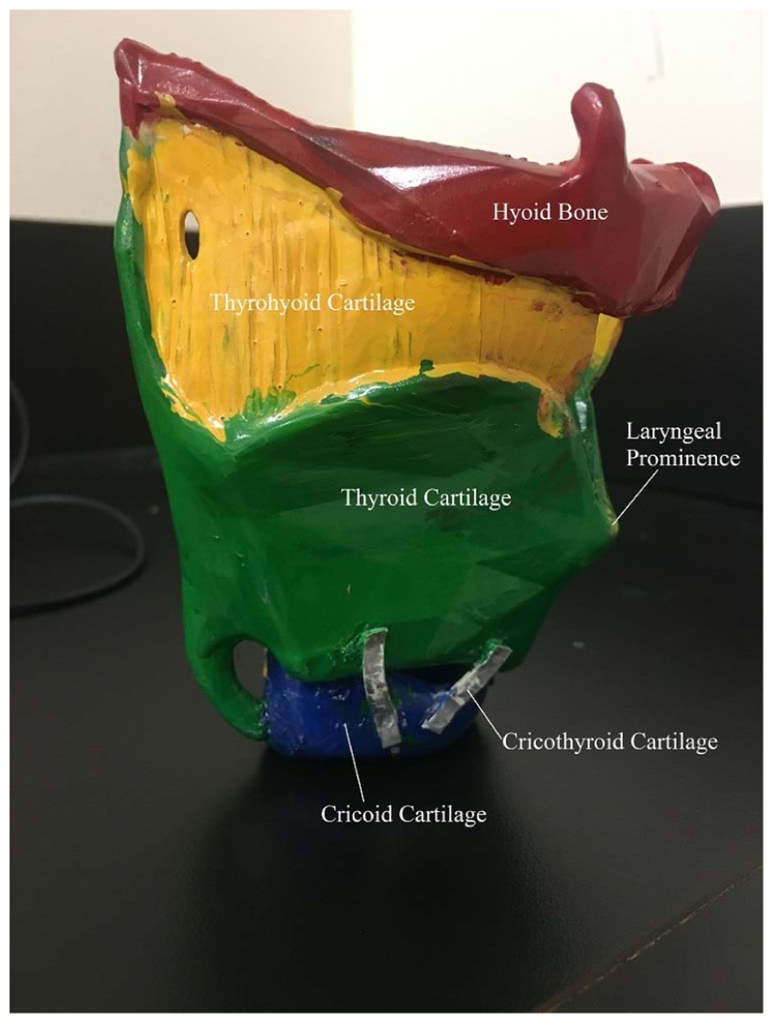
The application of 3DP on laryngology mainly focuses on tissue repair, on surgical training, and on patients’ information (e.g 3D models of subglottic stenosis and laryngeal model to simulate the trans-cervical injection of vocal folds)
1. Tracheal stenosis
Paediatric
1. Bioresorbable 3D-printed tracheal splint to treat a patient with severe tracheobronchomalacia

2. Pediatric temporal bone model of petrous apex cholesterol granuloma to optimize the operative procedure of endoscopic permeatal drainage of the lesion

Watch a video below to know other part of bodies that can be 3D printed:
KOMEN SAYA:
3D print dalam ENT di Malaysia agak kecil scopenya..yang saya pernah nampak ialah 3DP temporal bone – dicipta untuk practice kes mastoidectomy (buang tulang aircell telinga yang radang). Selain dari temporal bone, saya jarang-jarang dengar.
Harapan saya, 3D printed model dalam ENT dapat berkembang dengan cepat, terutamanya dalam bidang paediatric (kanak-kanak) di mana kebanyakan masalah ENT berkait dengan saluran pernafasan yang sempit. Dengan 3DP tracheal menggunakan material PCL, banyak kanak-kanak dapat dibantu dengan segera.









 Dr. Ameen, ENT Specialist in Kuala Lumpur
Leave a comment