


Millions of individuals worldwide encounter the prevalent ailment recognized as sinusitis, commonly referred to as a sinus infection. It can cause discomfort, pain, and difficulty in breathing, leading to a significant impact on the overall quality of life. Understanding the causes, symptoms, and available remedies for sinusitis is crucial for anyone seeking relief from this condition. In this article, we will delve into the world of sinusitis and uncover its secrets.
Understanding Sinusitis
What is Sinusitis?
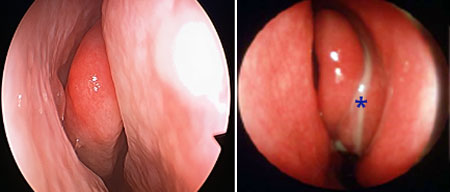
The term sinusitis is used to describe the inflammation occurring within the hollow spaces located behind the facial bones, commonly referred to as sinus cavities. These cavities are coated with a delicate layer of tissue that generates mucus. When the sinuses become inflammed, they may fill up with mucus, leading to various symptoms.
Types of Sinusitis
There are several types of sinusitis, including acute sinusitis, chronic sinusitis, subacute sinusitis, and recurrent sinusitis. Acute sinusitis lasts for a short duration, usually less than four weeks, while chronic sinusitis persists for longer periods, often beyond twelve weeks.
Causes of Sinusitis:
1. Allergies
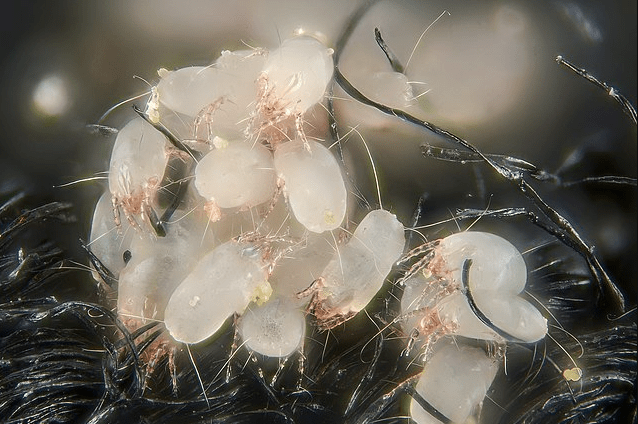
Allergies to pollen, dust mites, pet dander, or certain foods can trigger sinusitis in susceptible individuals. When an allergen is encountered, the body’s immune system releases chemicals that cause inflammation and swelling of the sinus tissues.
2. Infections
Sinus infections can occur due to viral, bacterial, or fungal agents. Acute sinusitis is predominantly triggered by viral infections, with the common cold being the prevailing culprit among various viral causes. Bacterial infections can develop when the sinus cavities become blocked, allowing bacteria to grow and cause an infection.

3. Structural Issues
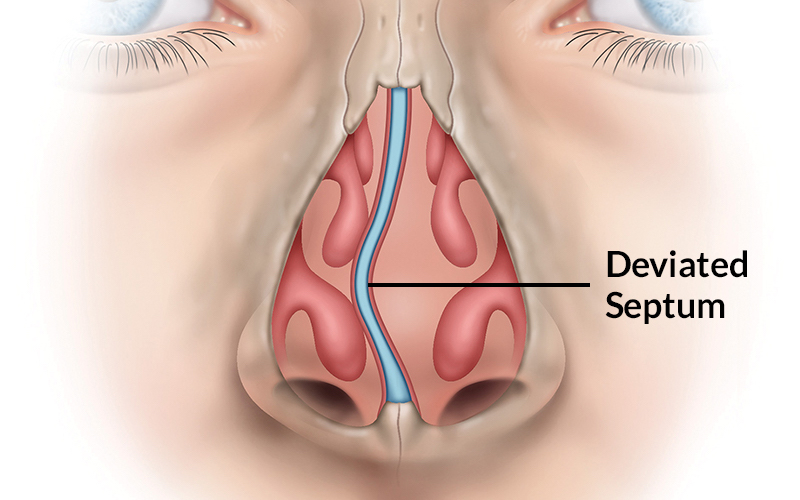
Certain structural issues within the nose and sinuses can contribute to the development of sinusitis. These may include nasal polyps, a deviated septum, or narrow sinus openings, which hinder proper drainage and ventilation of the sinuses.
4. Environmental Factors
Exposure to environmental irritants, such as air pollution, cigarette smoke, or strong chemicals, can irritate the sinus tissues and lead to inflammation. These factors can make individuals more susceptible to sinusitis.

Common Symptoms of Sinusitis:
1. Nasal Congestion
One of the primary symptoms of sinusitis is nasal congestion or a stuffy nose. The inflamed sinuses can cause the nasal passages to become swollen, leading to difficulty in breathing through the nose.
2. Facial Pain and Pressure
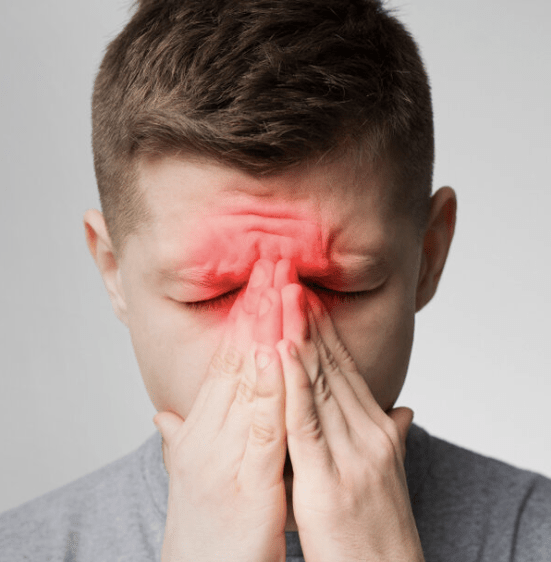
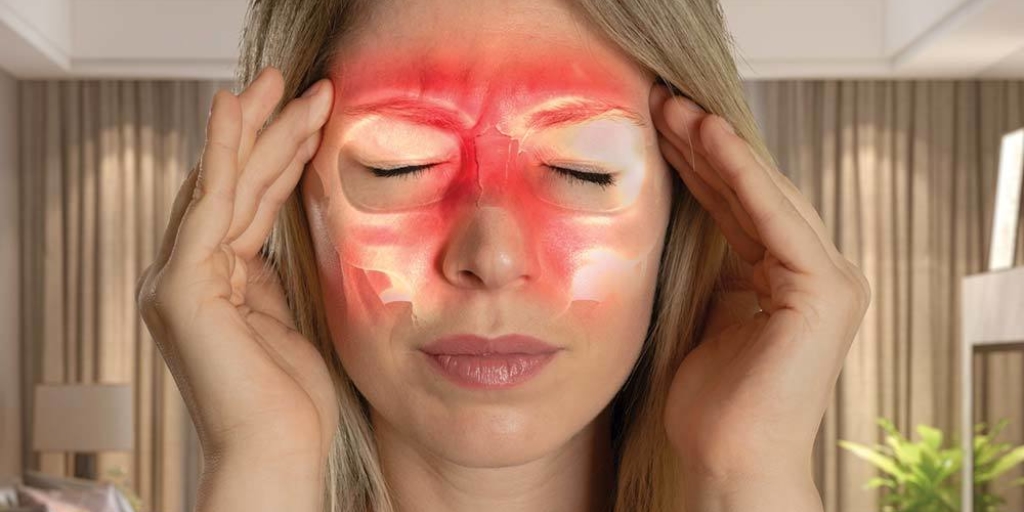
Sinusitis often causes facial pain and pressure, which may be felt in the cheeks, forehead, or around the eyes. This discomfort can worsen when bending forward or lying down.
3. Headaches
Headaches are a common symptom of sinusitis. The pain may be localized around the sinuses or can manifest as a generalized headache. The severity of the headache can range from mild to intense, exhibiting a spectrum of intensities.

4. Thick Nasal Discharge
Individuals with sinusitis often experience a thick, discolored nasal discharge. The mucus may drain down the back of the throat, leading to a persistent cough or a feeling of a “postnasal drip.”
Diagnosing Sinusitis
Physical Examination
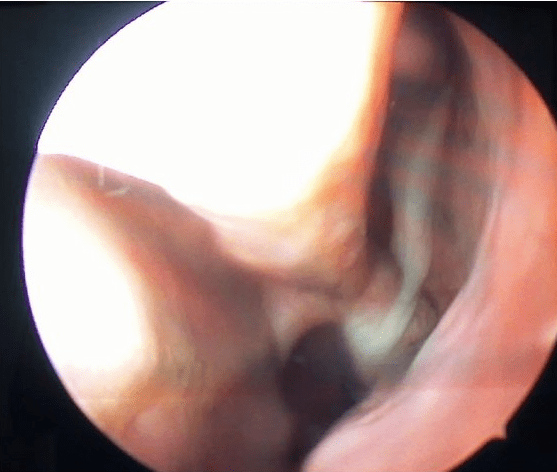
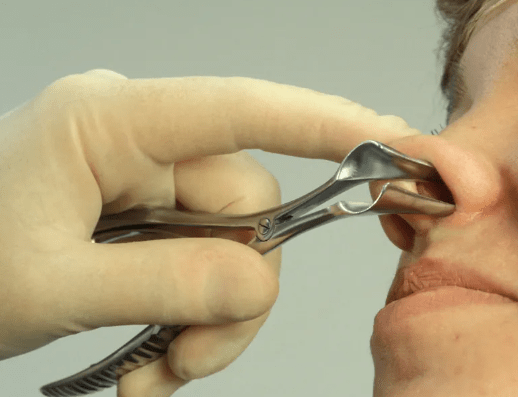
To diagnose sinusitis, a healthcare professional will conduct a physical examination, evaluating the patient’s symptoms and examining the nasal passages. They may also inquire about the duration and pattern of symptoms.
Imaging Tests
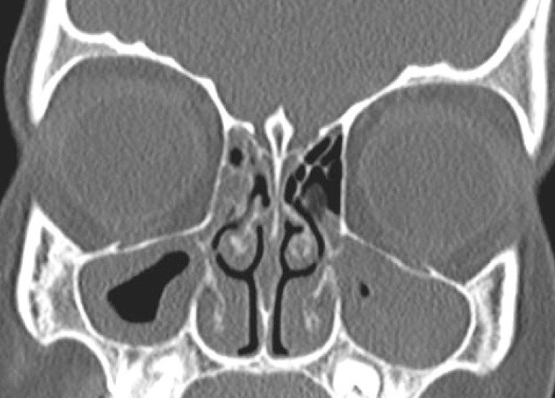
In some cases, imaging tests like X-rays or CT scans (Paranasal sinuses) may be ordered to obtain a detailed view of the sinuses. These tests can help identify any structural abnormalities or the presence of nasal polyps.
Nasal Endoscopy
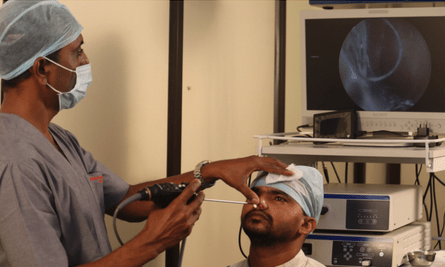
A nasal endoscopy involves inserting a thin, rigid tube with a light and camera into the nasal passages to visualize the sinuses directly. This procedure can provide valuable information about the extent of inflammation or any blockages.
Treatment Options:
1. Home Remedies
Many cases of sinusitis can be managed at home with self-care measures. These include using saline nasal sprays or rinses to irrigate the sinuses, applying warm compresses to the face, and staying hydrated. Humidifiers can also help keep the air moist, reducing nasal congestion.

2. Medications
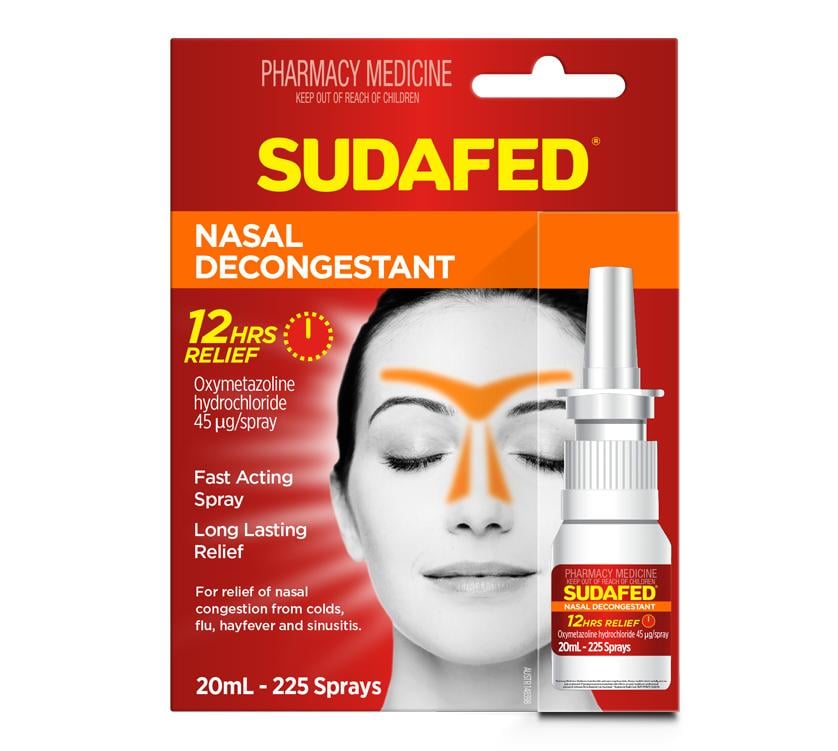
Over-the-counter pain relievers, such as acetaminophen or ibuprofen, can alleviate facial pain and headaches associated with sinusitis. Nasal decongestant sprays can provide temporary relief from nasal congestion, but they should not be used for more than a few days due to the risk of rebound congestion.
3. Nasal Irrigation
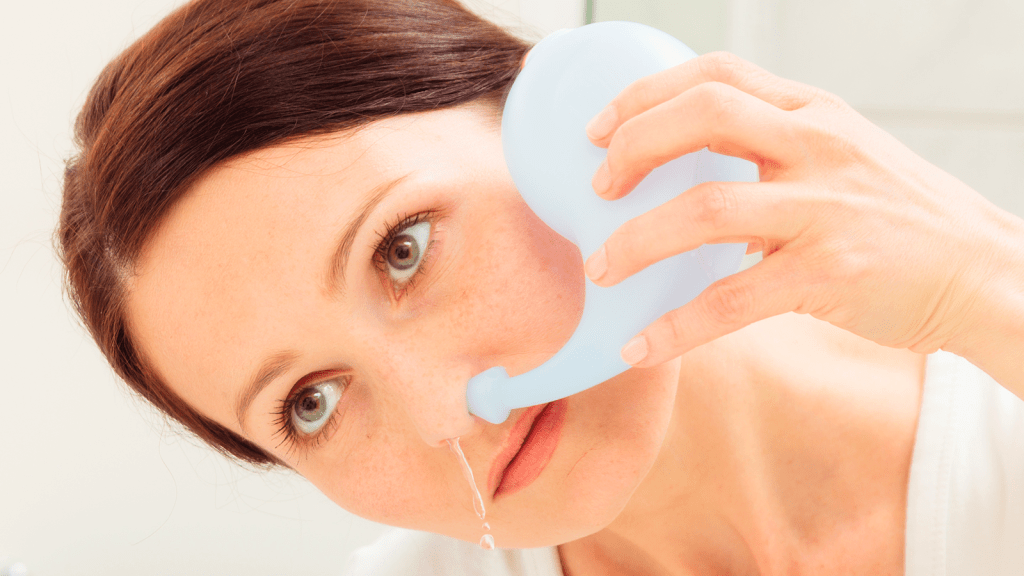
Nasal irrigation involves flushing the nasal passages with a saline solution to remove mucus and irritants. This can be done using a neti pot, squeeze bottle, or a nasal irrigator. Regular nasal irrigation can help reduce inflammation and promote sinus drainage.
4. Sinus Surgery (Functional Endoscopic Sinus Surgery)
In severe or chronic cases of sinusitis that do not respond to other treatments, sinus surgery may be recommended. The goal of surgery is to remove any obstructions, correct structural abnormalities, and improve sinus drainage.

Prevention Tips:
1. Maintain Good Hygiene
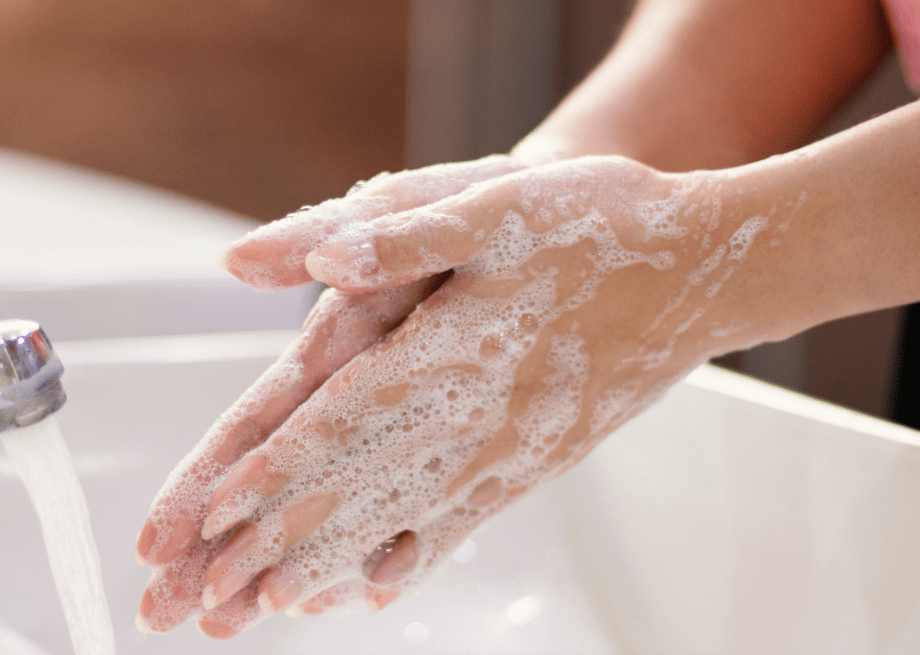
Practicing good hygiene, such as washing hands frequently and avoiding touching the face, can help reduce the risk of developing sinusitis. Regularly cleaning and disinfecting household surfaces can also minimize exposure to allergens and irritants.
2. Avoid Allergens
If allergies are a trigger for sinusitis, it is important to identify and avoid the allergens whenever possible. This may involve keeping windows closed during high pollen seasons, using air purifiers, or taking allergy medications as prescribed.

3. Keep Indoor Air Clean
Improving indoor air quality can significantly reduce the risk of sinusitis. Regularly cleaning and vacuuming the house, minimizing the use of harsh chemicals, and ensuring proper ventilation can help create a healthy environment.

Conclusion
Sinusitis can be a troublesome condition that affects many individuals. By understanding its causes, recognizing the symptoms, and exploring various treatment options, individuals can find relief and regain their quality of life. Taking preventive measures, practicing good hygiene, and seeking appropriate medical care when needed can significantly reduce the frequency and severity of sinusitis episodes





 Dr. Ameen, ENT Specialist in Kuala Lumpur
Leave a comment