


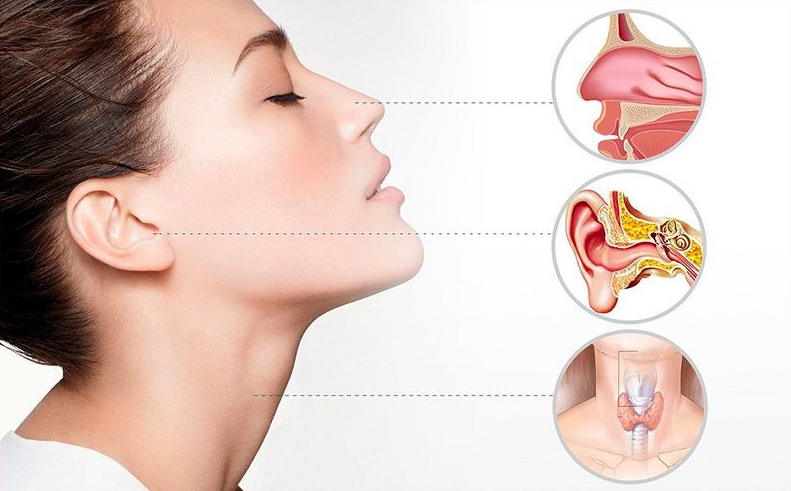
Improving your senses of taste, smell, and hearing can greatly enhance your overall sensory experience. Let’s take a step-by-step approach to achieve this from a medical point of view:
Step 1: Maintain General Health
Start by maintaining a healthy lifestyle. This step is very important. Eat a balanced diet rich in vitamins and minerals to support overall bodily functions, including your senses. Stay hydrated and get regular exercise to promote blood circulation, which can positively impact your senses.

Step 2: Quit Smoking
If you smoke, consider quitting. Smoking can damage your taste buds and reduce your sense of smell. Quitting smoking can gradually improve your ability to taste and smell. Smoking also causes your breath to smell bad!

Step 3: Protect Your Ears
To improve your sense of hearing, protect your ears from loud noises and harmful environments. Wear ear protection in noisy places and avoid prolonged exposure to loud music or machinery.

Step 4: Regular Hearing Checks
Schedule regular hearing check-ups with a healthcare professional, especially if you’re experiencing any hearing difficulties. Early detection of hearing issues can lead to better treatment outcomes.

Step 5: Maintain Oral Hygiene
Good oral hygiene not only helps with your sense of taste but also overall health. Brush your teeth regularly, use mouthwash, and visit your dentist for regular check-ups.

Step 6: Stay Hydrated
Drinking enough water helps keep your mucous membranes in your mouth and nose moist, enhancing your sense of taste and smell. Dehydration can lead to a dulled sensory experience.

Step 7: Explore Different Flavors and Aromas
Expose yourself to a variety of flavors and aromas. Try different foods and spices to stimulate your taste buds and olfactory receptors, helping you identify subtle scents and flavors.

Step 8: Practice Smelling and Tasting
Engage in mindful smelling and tasting exercises. Sniff various scents and try to identify them. Savor your food by taking small bites and paying attention to the textures and flavors.

Step 9: Manage Stress
High stress levels can negatively impact your senses. Practice stress-reduction techniques such as meditation, deep breathing, or yoga to promote overall well-being, which can reflect positively on your sensory perceptions.

Step 10: Seek Medical Help
If you’re experiencing prolonged issues with taste, smell, or hearing, consult a medical professional. They can identify any underlying health conditions or provide guidance on appropriate treatments.

Remember, everyone’s sensory experience is unique, and improvements may vary. It’s essential to be patient and consistent in your efforts to enhance your senses.








 Dr. Ameen, ENT Specialist in Kuala Lumpur
Leave a comment