


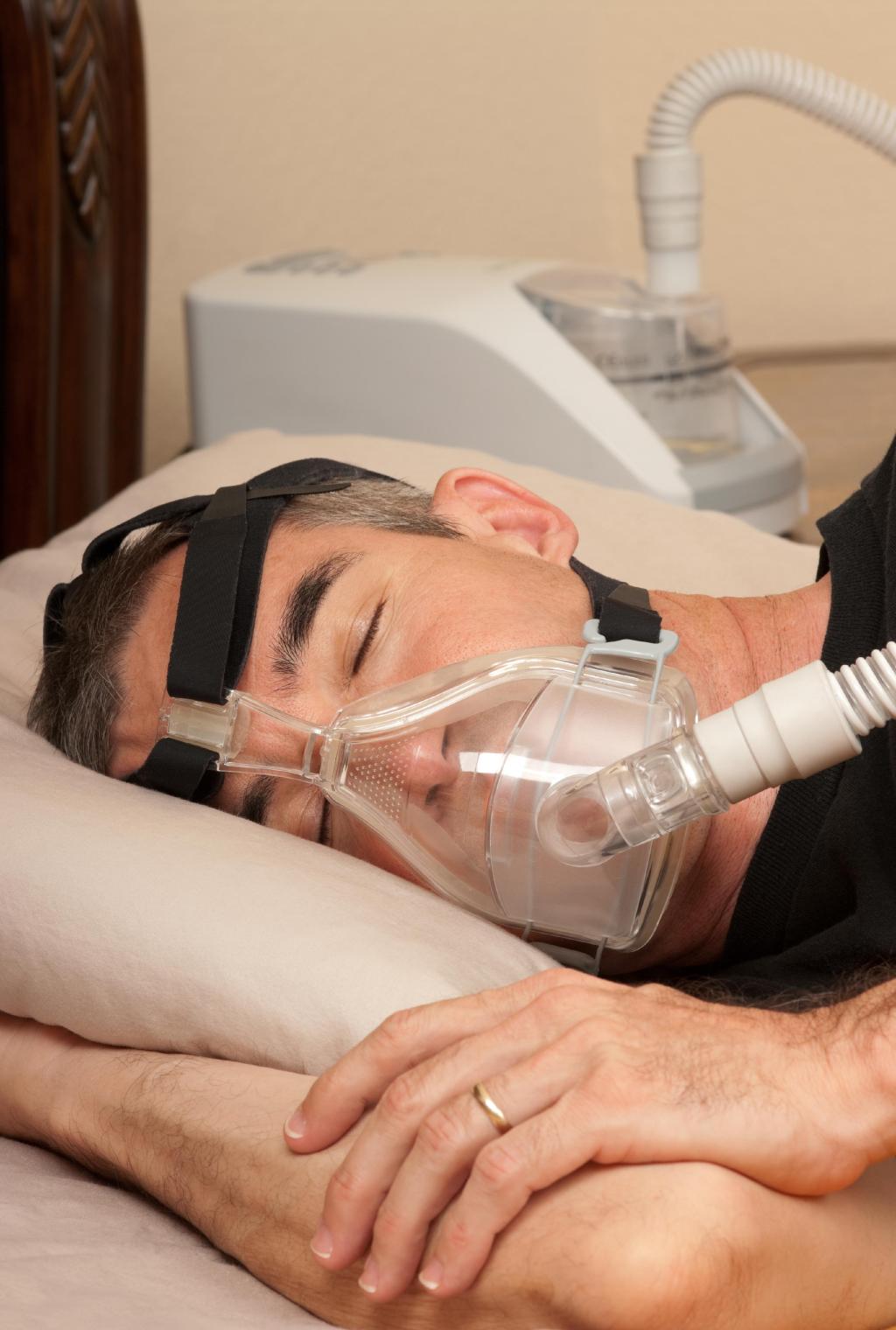

Sleep apnea, a prevalent sleep disorder, impacts a substantial number of individuals globally, reaching millions in count. It is characterized by interrupted breathing during sleep, leading to disrupted sleep patterns and potential health consequences if left untreated. In this article, we will delve into the diagnosis and management of sleep apnea, exploring various treatment options and discussing the long-term implications of this condition.
Introduction to Sleep Apnea
Sleep apnea, classified as a sleep disorder, is characterized by periodic interruptions in breathing or shallow breaths while asleep. Referred to as apneas, these interruptions can endure from a few seconds to several minutes, and they may reoccur multiple times throughout the night. The two main categories of sleep apnea are obstructive sleep apnea (OSA) and central sleep apnea (CSA). OSA is the more common form, caused by a physical blockage of the airway, while CSA occurs when the brain fails to send proper signals to the muscles that control breathing.
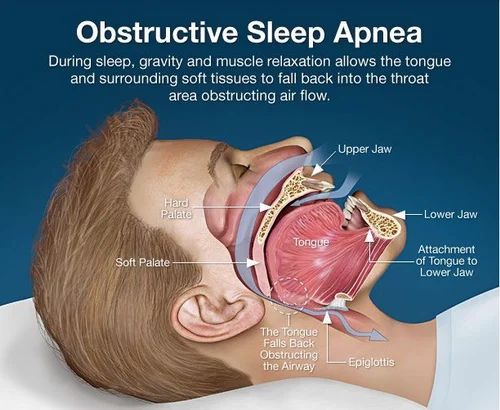
To get more ideas on OSA, kindly visit https://aasm.org/ – the official website of American Academy of Sleep Medicine.
Understanding the Diagnosis
Recognizing the Symptoms
The symptoms of sleep apnea can vary from person to person, but common indicators include loud snoring, excessive daytime sleepiness, morning headaches, and restless sleep. Other signs may include difficulty concentrating, irritability, and waking up with a dry or sore throat. It is important to note that these symptoms can be attributed to other conditions as well, making a proper diagnosis crucial.



Diagnostic Tests and Sleep Studies
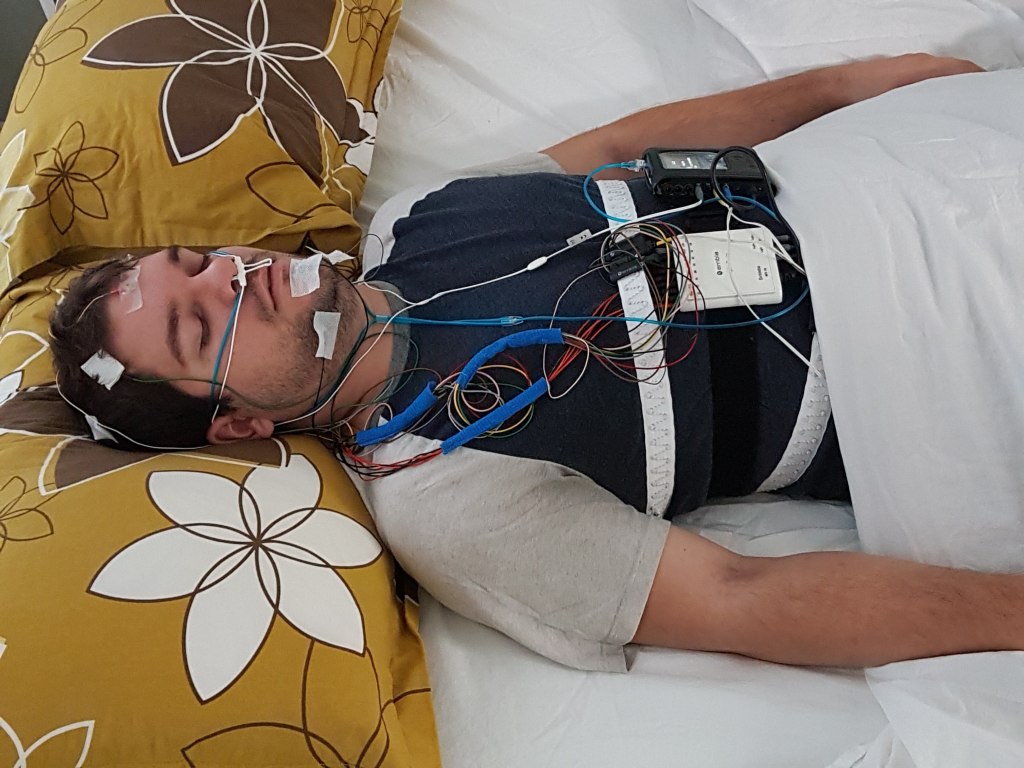
To diagnose sleep apnea, medical professionals typically conduct a comprehensive evaluation that involves a detailed medical history, physical examination, and assessment of sleep patterns. In some cases, a sleep study may be recommended to monitor breathing, brain activity, heart rate, and oxygen levels during sleep. This study, known as polysomnography, helps in determining the severity of sleep apnea and guiding treatment decisions.
Treatment Options for Sleep Apnea
1) Lifestyle Modifications
Lifestyle modifications can play a significant role in managing sleep apnea and improving treatment outcomes. These lifestyle changes may include:
a) Weight Loss: Losing excess weight can significantly reduce the severity of sleep apnea, as obesity is a common risk factor. Even a moderate weight reduction can have a positive impact on sleep quality and overall health.

b) Regular Exercise: Engaging in regular physical activity can help improve cardiovascular fitness and strengthen the muscles involved in breathing, potentially reducing sleep apnea symptoms.

c) Healthy Diet: A balanced diet rich in fruits, vegetables, whole grains, and lean proteins can contribute to weight management and overall well-being.

d) Avoidance of Alcohol and Sedatives: Alcohol and sedatives can relax the muscles in the throat and interfere with normal breathing patterns during sleep. It is advisable to limit or avoid their consumption, particularly before bedtime.

e) Sleeping Position: Sleeping on your side instead of your back can help prevent the collapse of the airway and reduce the occurrence of apneas.

f) Good Sleep Hygiene: Establishing a consistent sleep routine, ensuring a comfortable sleep environment, and practicing relaxation techniques before bed can promote better sleep quality.
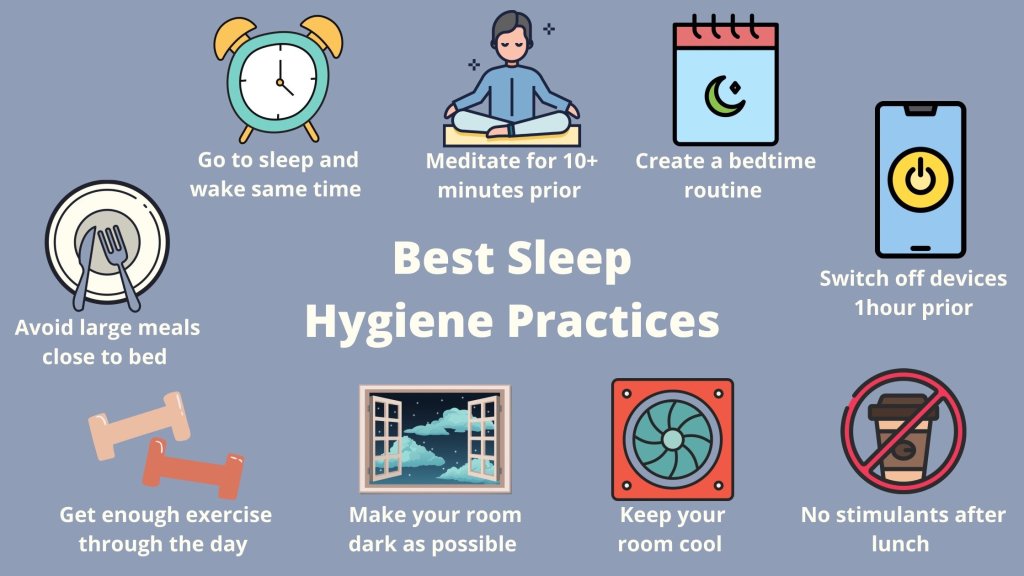
It is important to consult with a healthcare professional or sleep specialist to determine the most suitable treatment plan and make any necessary lifestyle modifications.
2) Continuous Positive Airway Pressure (CPAP) Machines
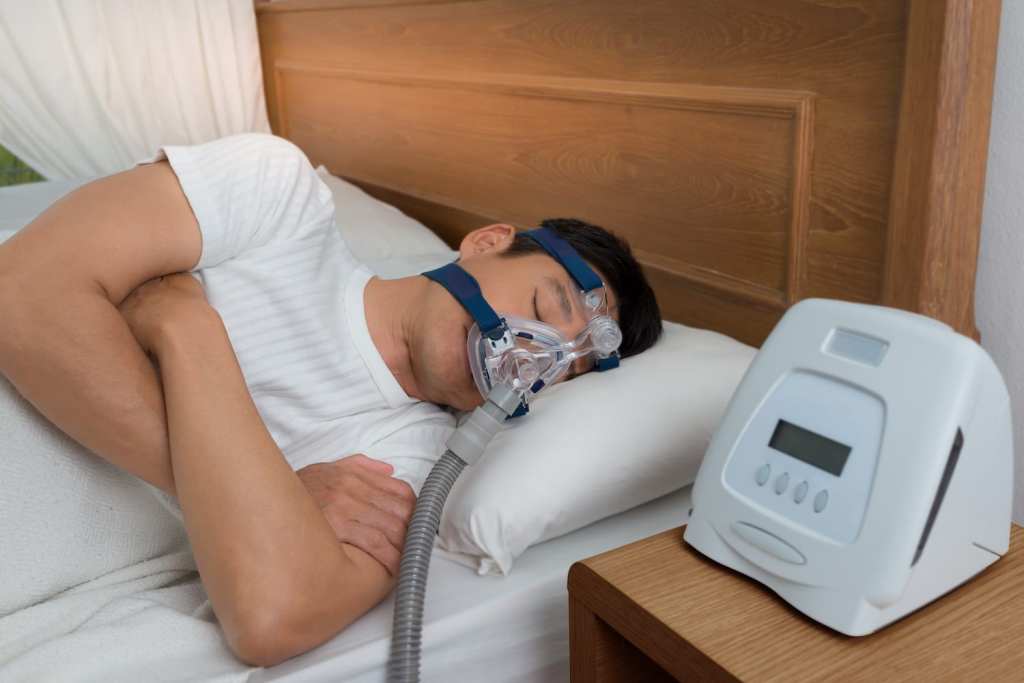
Continuous Positive Airway Pressure (CPAP) machines are the most commonly prescribed treatment for moderate to severe sleep apnea. CPAP therapy involves using a machine that delivers a constant flow of pressurized air through a mask worn over the nose and/or mouth while sleeping. The air pressure acts as a splint, keeping the airway open and preventing the occurrence of apneas and snoring. CPAP machines are highly effective in reducing symptoms and improving sleep quality.
3) Surgical Interventions
Surgical interventions may be considered for individuals with sleep apnea who cannot tolerate or do not respond well to CPAP therapy. The specific surgical options depend on the underlying causes and anatomical factors contributing to the condition. Surgical procedures can range from minimally invasive treatments to more complex operations. Some common surgical interventions for sleep apnea include:
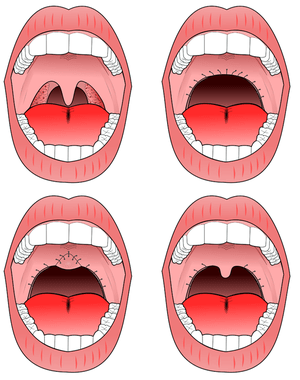
a) Uvulopalatopharyngoplasty (UPPP): This procedure involves removing excess tissue from the throat, including the uvula, tonsils, and part of the soft palate, to widen the airway.
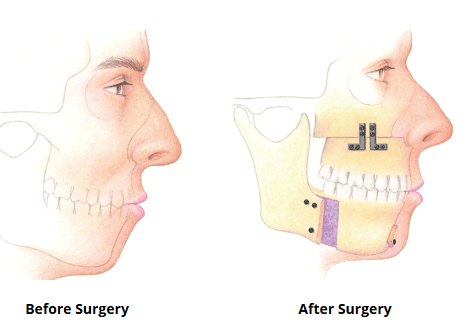
b) Maxillomandibular Advancement (MMA): This surgery involves moving the upper and lower jaws forward to increase the size of the airway and reduce obstructions.
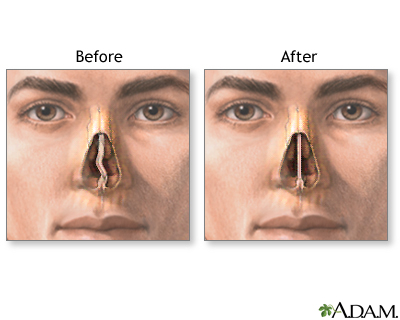
c) Nasal Surgery: Certain nasal abnormalities, such as a deviated septum or nasal polyps, can contribute to sleep apnea. Surgical procedures to correct these issues can improve breathing and reduce symptoms.
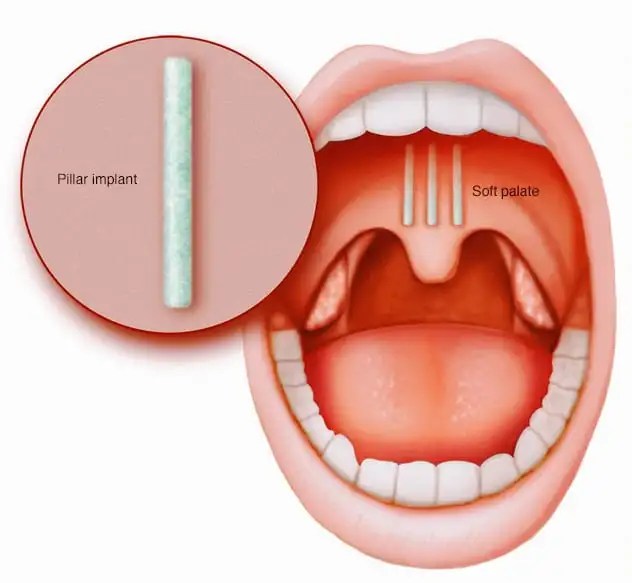
d) Implants: In some cases, small implants can be inserted into the soft palate to stiffen it and prevent collapse during sleep.
e) Mandibular Advancement Devices (MADs): These oral appliances are designed to reposition the jaw and tongue, helping to keep the airway open during sleep.

It is important to note that surgical interventions are typically reserved for cases where conservative treatments have failed or are not suitable. The decision to pursue surgery is made after a thorough evaluation by a sleep specialist. Considering that there are various types of surgeries available for OSA, I will dedicate a separate post specifically to discuss OSA surgeries later.
Long-Term Health Consequences
Neglecting to address sleep apnea can lead to severe and enduring health ramifications in the long run. The condition has been linked to an increased risk of cardiovascular problems, including high blood pressure, heart disease, and stroke. It can also lead to daytime fatigue, impaired cognitive function, and decreased quality of life. It is crucial to recognize the importance of early diagnosis and appropriate management to mitigate these potential risks.

Conclusion
Sleep apnea is a complex sleep disorder that requires proper diagnosis and management. Understanding the symptoms, seeking medical evaluation, and adhering to recommended treatments can significantly improve the quality of life for individuals affected by this condition. With the right interventions, such as CPAP machines, surgical procedures, and lifestyle modifications, the disruptive effects of sleep apnea can be minimized, promoting restful sleep and overall well-being.










 Dr. Ameen, ENT Specialist in Kuala Lumpur
Leave a comment