




Effective communication is the cornerstone of any successful medical practice, and this principle holds particularly true in the field of Ear, Nose, and Throat (ENT) surgery. Patients often come to ENT surgeons with concerns about their hearing, breathing, or swallowing, and it is the surgeon’s responsibility to establish a clear and empathetic line of communication. Here, we delve into the art of effective communication between ENT surgeons and their patients, a skill that goes beyond medical expertise and can make a world of difference in patient outcomes.
1. Active Listening: One of the fundamental building blocks of effective communication is active listening. When a patient shares their symptoms and concerns, ENT surgeons must attentively listen without interruption. This not only fosters trust but also ensures that no crucial information is missed.

2. Empathy: Patients seeking ENT care may be experiencing discomfort, pain, or anxiety. Displaying empathy towards their situation can go a long way in establishing a positive doctor-patient relationship. Acknowledge their feelings and show understanding.

3. Clear and Jargon-Free Language: ENT surgeons often deal with complex medical terminology. It’s essential to convey information in simple, understandable language. Avoid medical jargon and provide explanations that the patient can grasp easily.

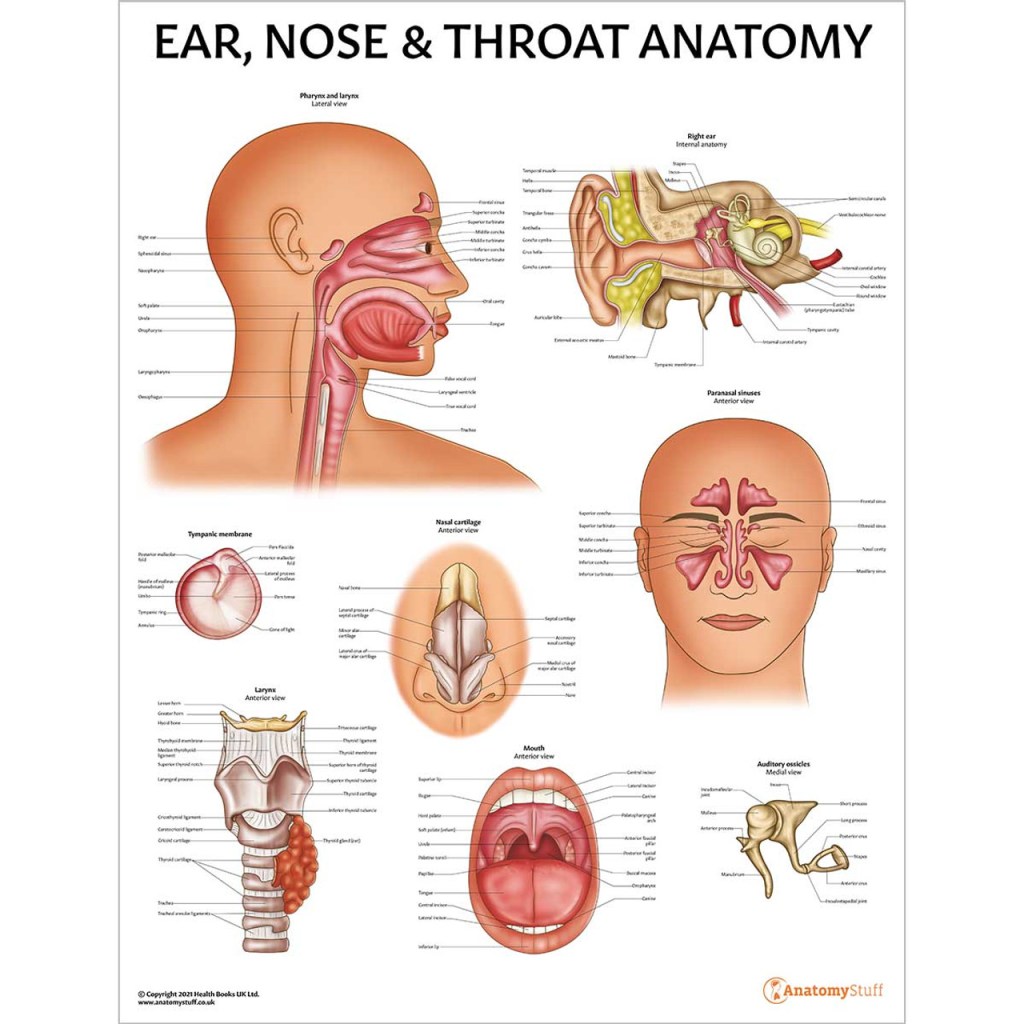
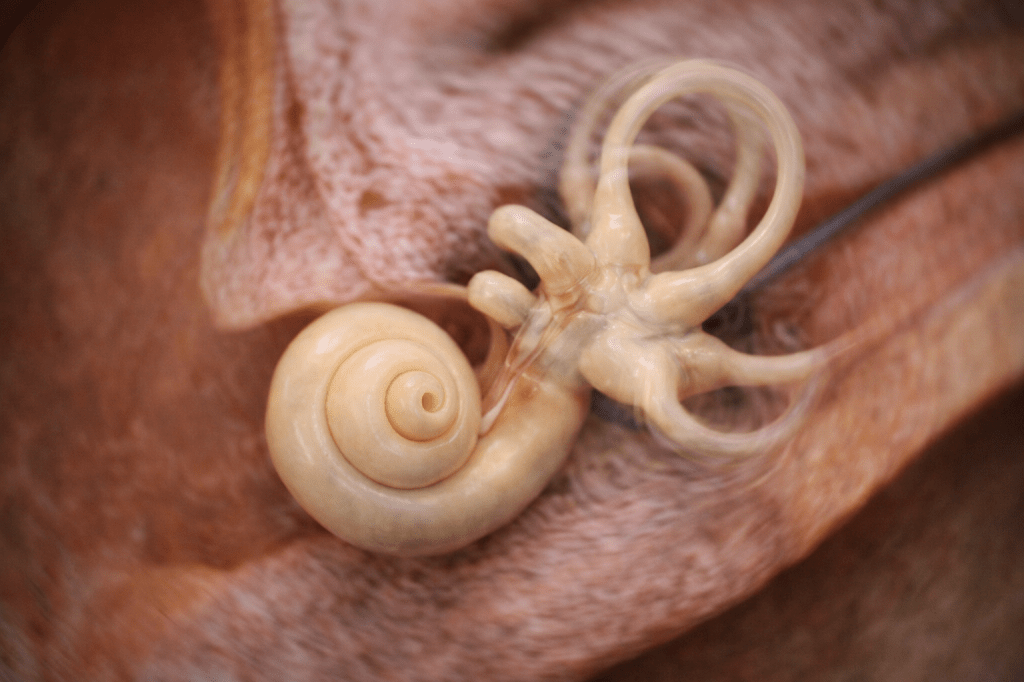
4. Visual Aids: Visual aids, such as diagrams and models, can be incredibly helpful in explaining medical conditions and surgical procedures. These tools simplify complex information and empower patients to make informed decisions about their care.
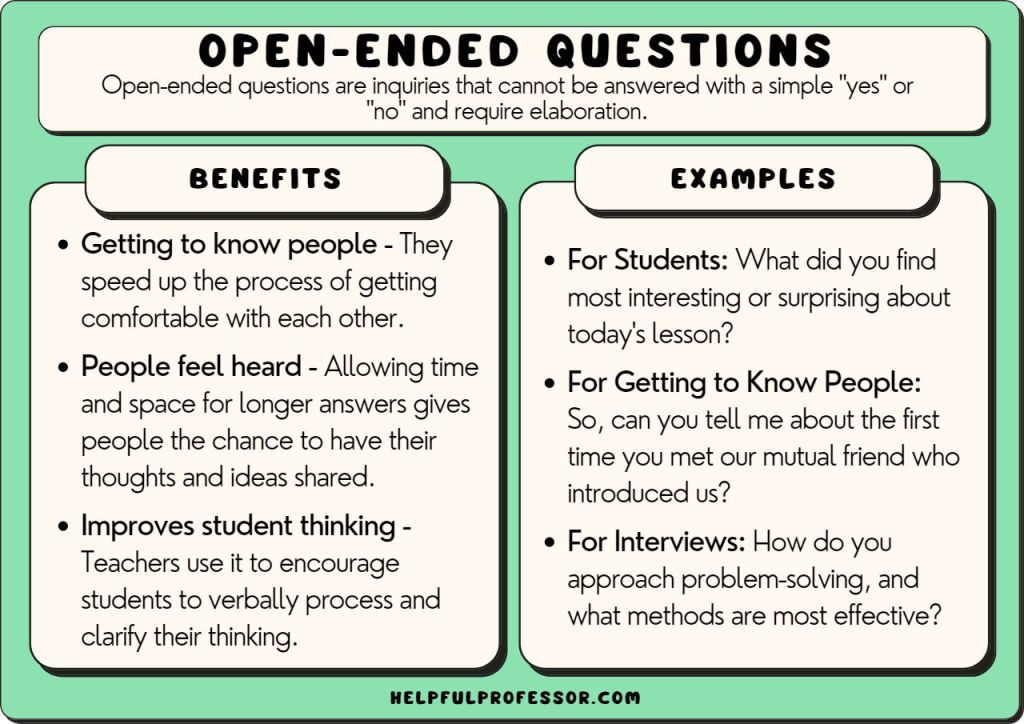
5. Ask Open-Ended Questions: Encourage patients to share their thoughts and concerns by asking open-ended questions. This allows for a more comprehensive understanding of their condition and helps identify any underlying issues.
6. Setting Realistic Expectations: ENT surgeons should be honest with patients about the expected outcomes of surgery and any potential risks or complications. Transparency builds trust and helps manage patient expectations.

7. Demonstrate Respect for Time: Patients value their time, and it’s essential to respect their appointments. Punctuality reflects professionalism and sends a message that their time is valuable.

8. Follow-Up and Availability: After a consultation or surgery, maintaining communication is vital. Patients should know how to reach their surgeon in case of emergencies or questions. A follow-up schedule should be established and adhered to.

9. Cultural Sensitivity: ENT surgeons often treat patients from diverse backgrounds. Being culturally sensitive and aware of potential language barriers is crucial for effective communication.

10. Multidisciplinary Approach: ENT conditions can be interlinked with other health issues. Collaborating with other medical professionals such as maxillofacial surgeons, neurosurgeons, oncologists, pathologists and involving them in patient care can lead to a more holistic and effective treatment plan.

In conclusion, the relationship between an ENT surgeon and their patients is more than just a medical interaction; it’s a partnership built on trust and effective communication. By actively listening, showing empathy, and using clear language, ENT surgeons can ensure that their patients are well-informed and feel valued throughout their healthcare journey. This approach not only enhances patient satisfaction but also contributes to better treatment outcomes, making it an essential skill for every ENT practitioner to master.

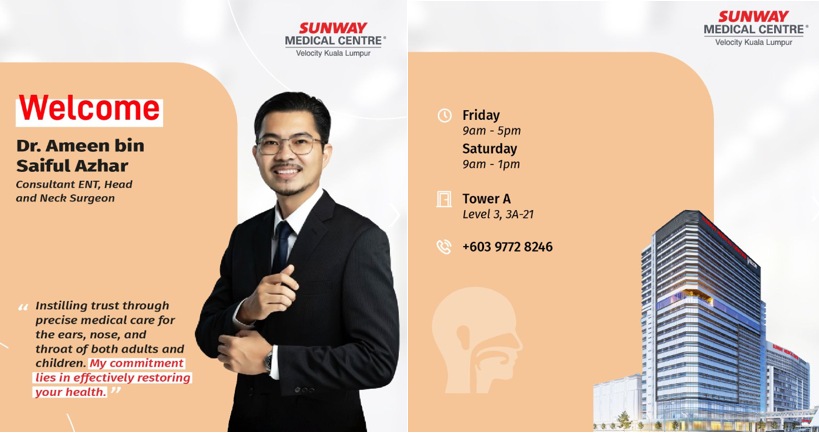
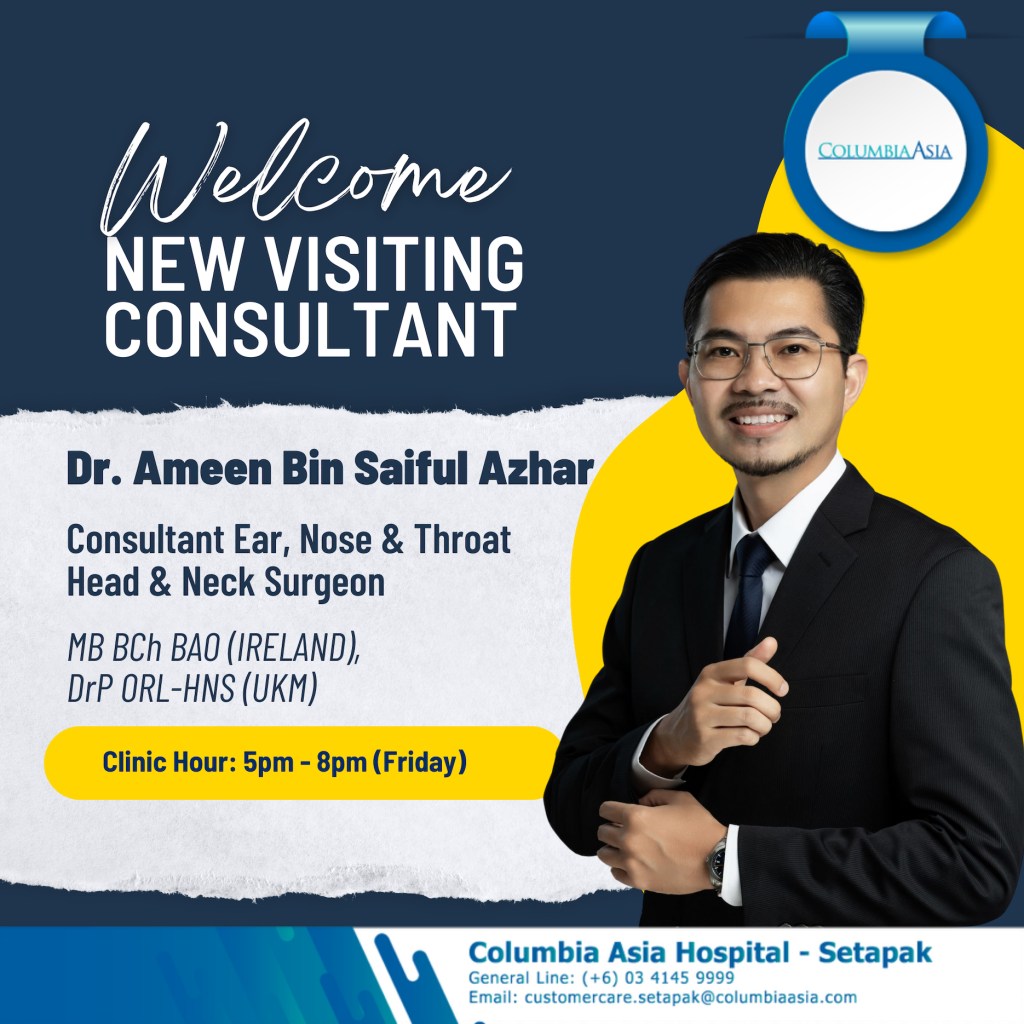





 Dr. Ameen, ENT Specialist in Kuala Lumpur
Leave a comment