


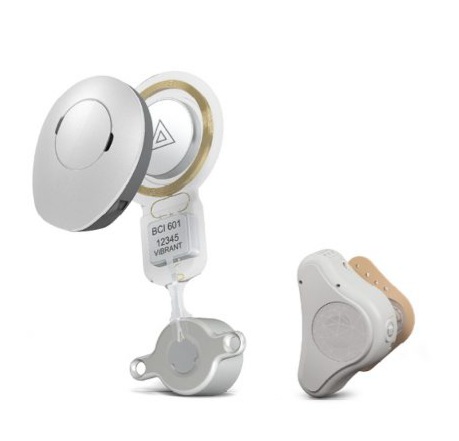
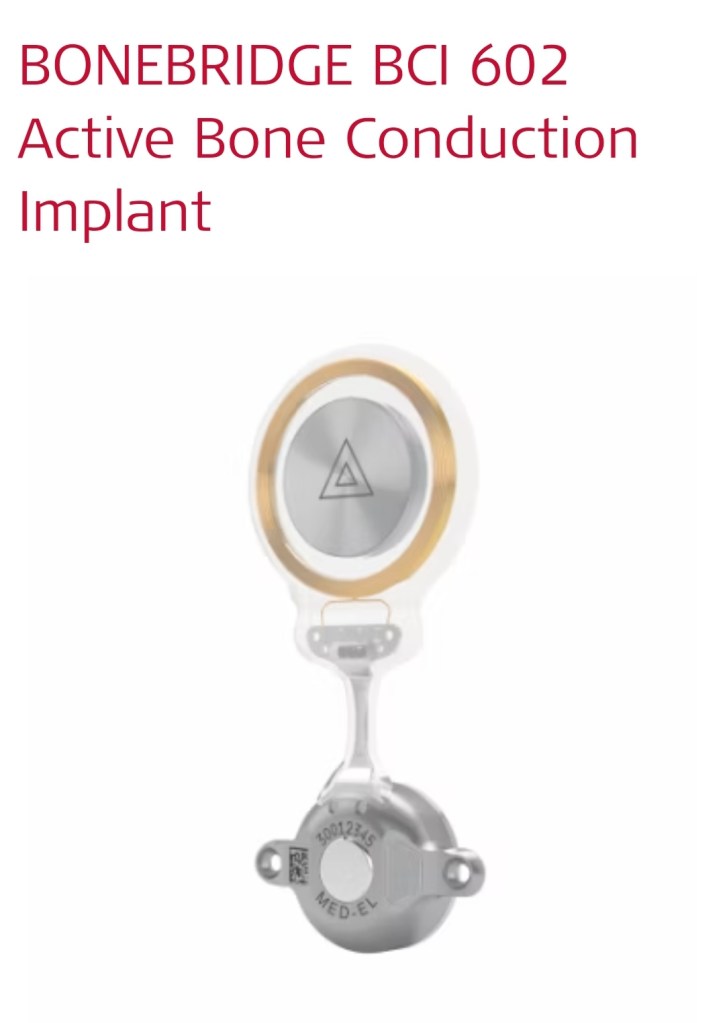
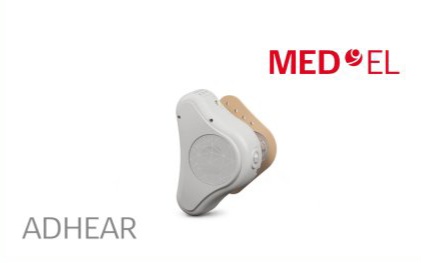
We received a presentation yesterday from MEDEL about bone conduction hearing aids, specifically focusing on the BONEBRIDGE System and ADHEAR system.
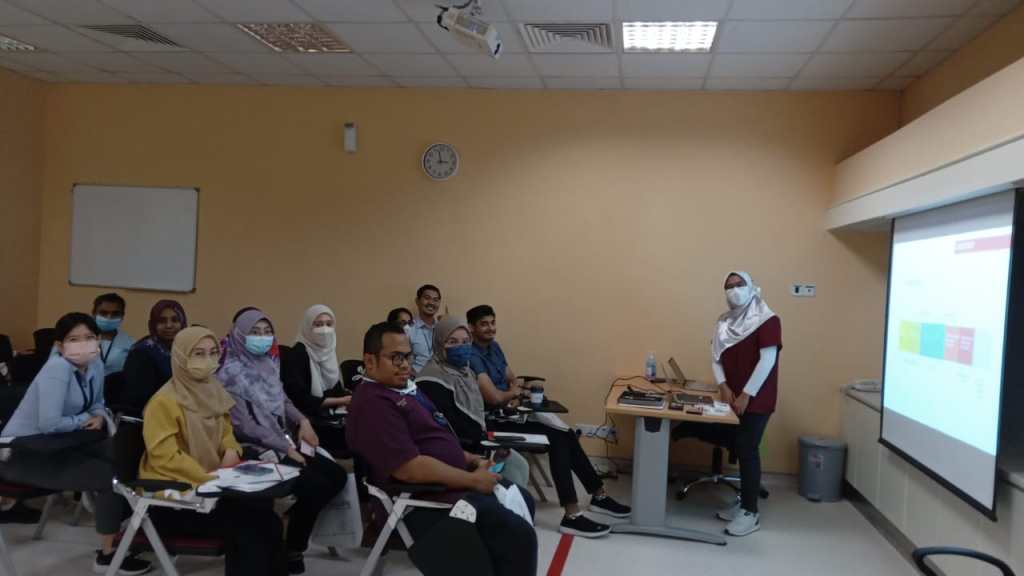
While these systems have been available in Malaysia for some time, their utilization has been limited, especially within the healthcare facilities of Kementerian Kesihatan Malaysia in Kuala Lumpur. One possible factor for this is their relatively higher cost, given the presence of more affordable alternatives
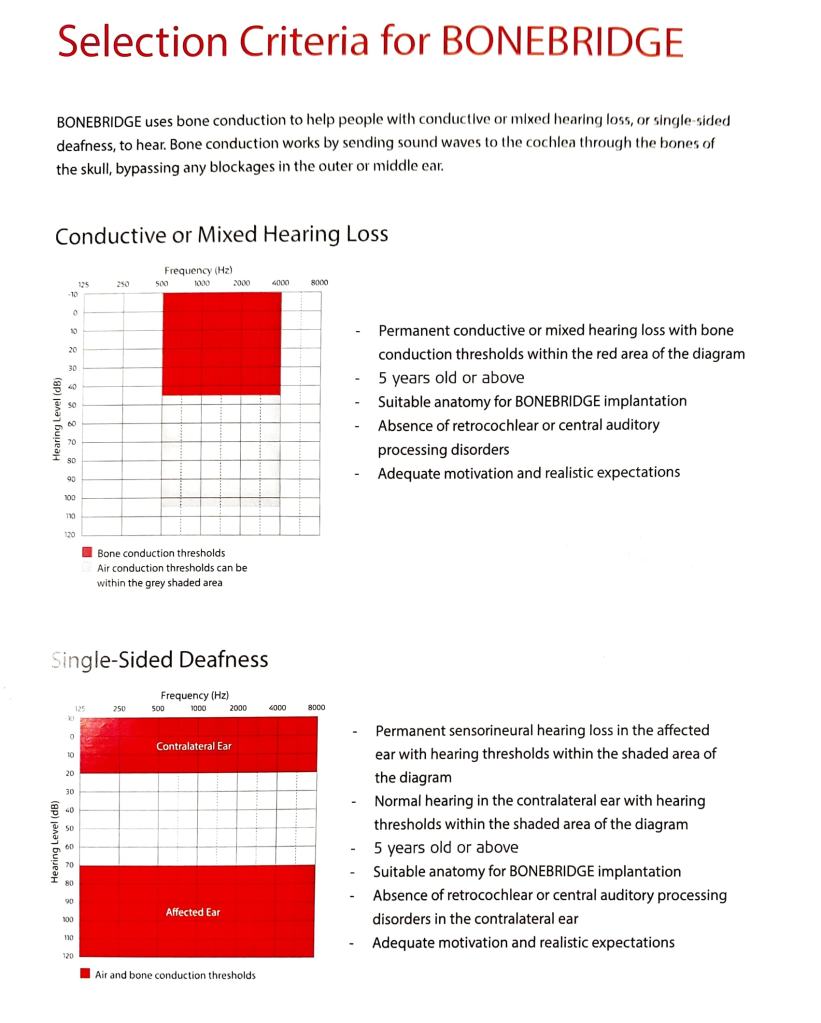

I’m optimistic that Hospital Tunku Azizah will soon perform its inaugural surgery for the Bone Anchored Hearing Aid (BAHA) since we already have candidates eagerly awaiting financial approval.
With this, I’d like to share a recent paper from a renowned otology journal on the outcomes of BAHA in Portugal.
Full link of paper here

Functional and patient-reported outcomes of bone-anchored hearing aids (BAHA): A prospective case series study
Abstract
Objective
The purpose of this study was to evaluate the functional and patient-reported outcomes, and their correlation, after percutaneous bone-anchored hearing aid (BAHA) implantation.
Methods
A prospective study was conducted between January 2018 and December 2020 in a tertiary care center. All adult patients who were implanted with a percutaneous BAHA device during this evaluation period were included in the study. Complete auditory function and patients reported outcome measures (PROMs) were assessed in the preoperative period and 6 months after the implant activation. The PROMs included a generic form (Medical Outcome Study 36 Short Form Healthy Survey (MOS SF-36)), and three disease-specific forms (Hearing Handicap Inventory (HHI), Satisfaction with Amplification in Daily Life Scale (SADLS), and Tinnitus Handicap Inventory (THI)).
Results
Twenty-two patients with an average age of 53 years were included in the study. The overall functional gain with the BAHA in sound-field pure tone average (PTA) was 29 dB, with no statistically significant differences according to surgical indication (F(3,18) = 2.319, p = 0.110). The greater the preoperative air-bone gap, the greater the functional gain obtained (r = 0.505, p < 0.05). In the PROMs, we found a significant improvement in HHI scores (p < 0.005) and a significant increase in overall SADLS scores (p < 0.05) with the use of percutaneous BAHA devices. We did not verify any statistically significant correlation between functional and PROMs results.
Conclusions
The BAHA is a safe and effective alternative hearing rehabilitation option in selected patients. The PROMs results prove patient’s overall satisfaction.








 Dr. Ameen, ENT Specialist in Kuala Lumpur
Leave a comment