


Impacted ear wax, or cerumen impaction, occurs when ear wax accumulates and becomes lodged in the ear canal, potentially leading to discomfort and health issues. Ear wax, or cerumen, is a natural substance produced by the glands in the ear canal to protect the ear from dust, bacteria, and other foreign particles. However, when it builds up excessively or becomes hard, it can lead to problems.
Causes of Impacted Ear Wax
Several factors can contribute to impacted ear wax:
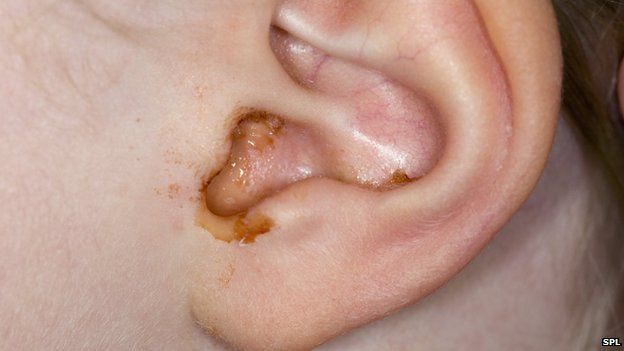
1. Excessive Wax Production: Some individuals naturally produce more ear wax than others, leading to a higher risk of impaction.
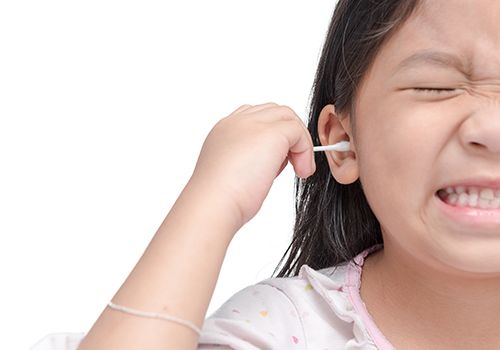
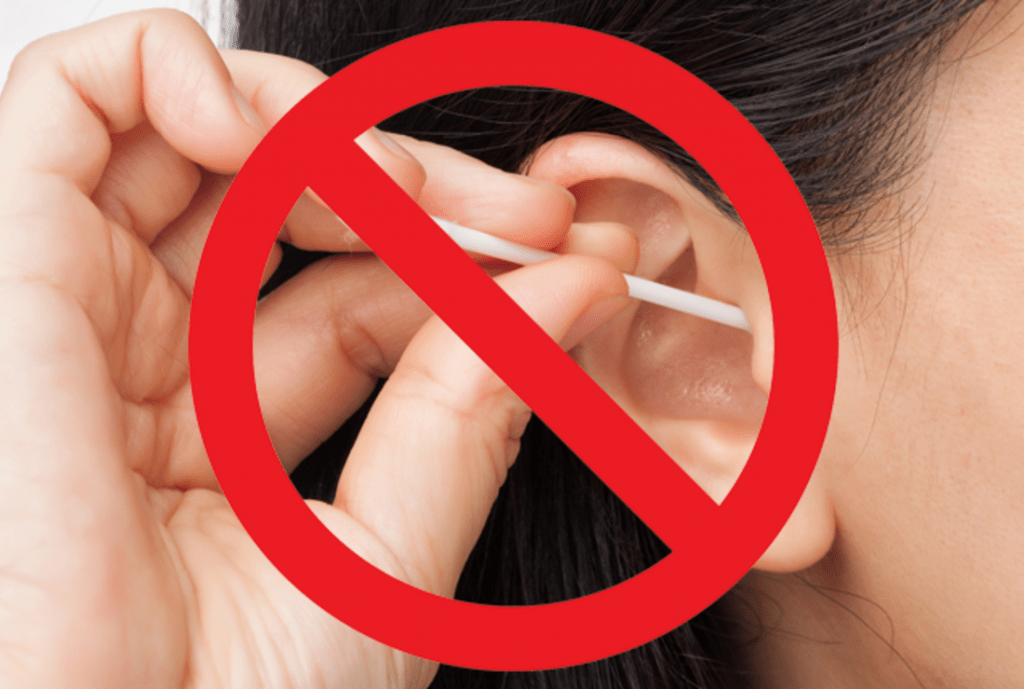
2. Use of Cotton Swabs: Inserting cotton swabs into the ear canal can push the wax further in rather than removing it, causing it to become compacted.
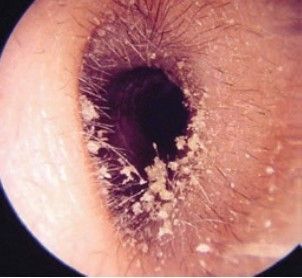
3. Ear Anatomy: The shape and size of the ear canal can influence wax accumulation. Individuals with narrower or unusually shaped ear canals may experience more frequent impactions.
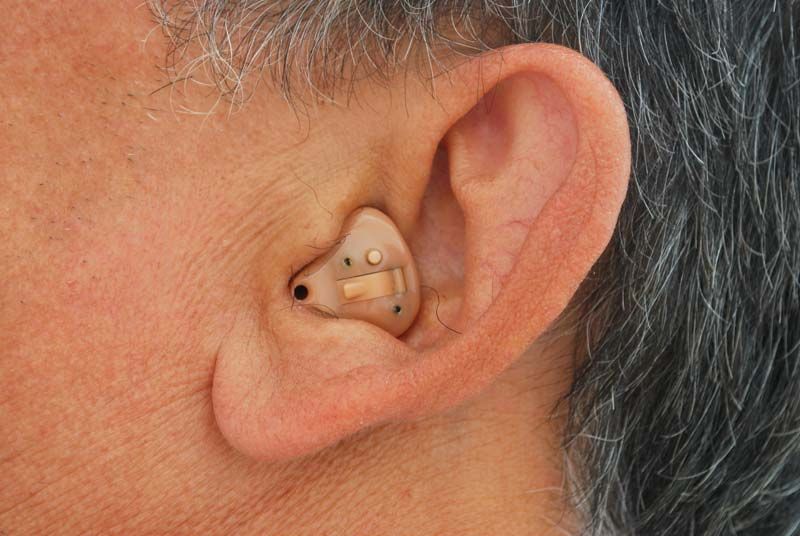
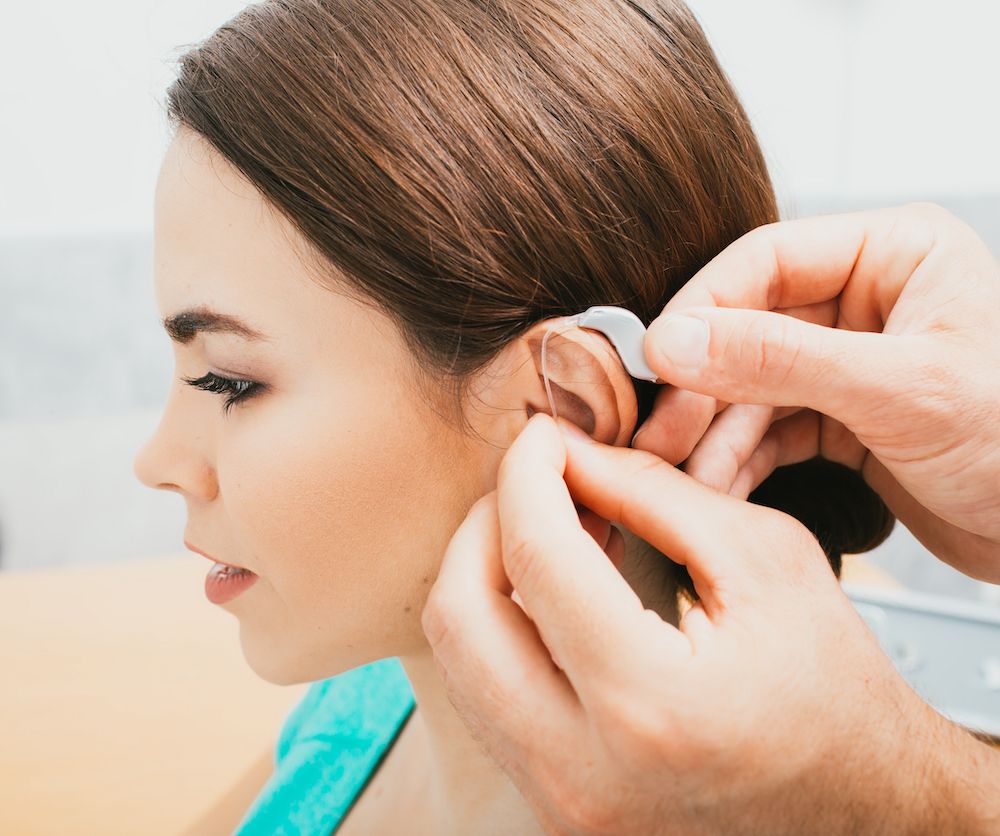
4. Hearing Aids and Earplugs: Regular use of hearing aids or earplugs can trap wax against the ear canal walls, making it more likely to become impacted.
5. Skin Conditions: Certain skin conditions, such as eczema or psoriasis, can affect the ear canal and increase the likelihood of wax build-up.

Complications of Impacted Ear Wax
If ear wax becomes impacted, it can lead to several complications:
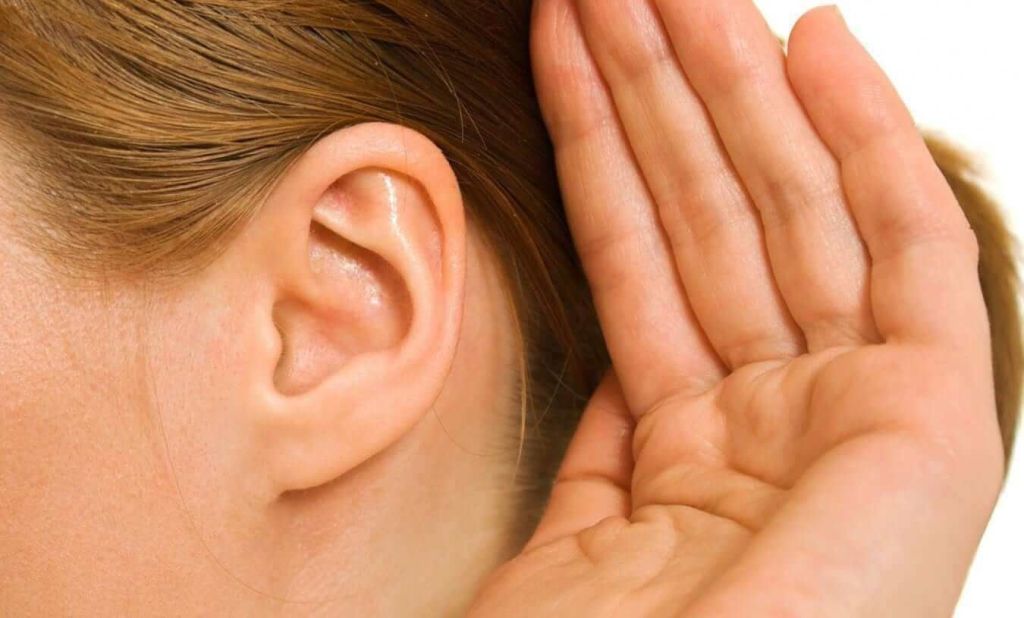
1. Hearing Loss: The most common complication, where the buildup blocks sound transmission, leading to muffled hearing or temporary hearing loss.
2. Earache: Impacted wax can cause pain and discomfort in the ear canal.

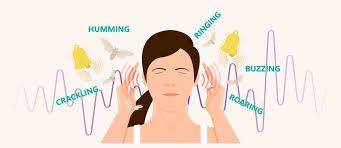
3. Tinnitus: A ringing or buzzing sound in the ears can occur due to the pressure from the impacted wax.
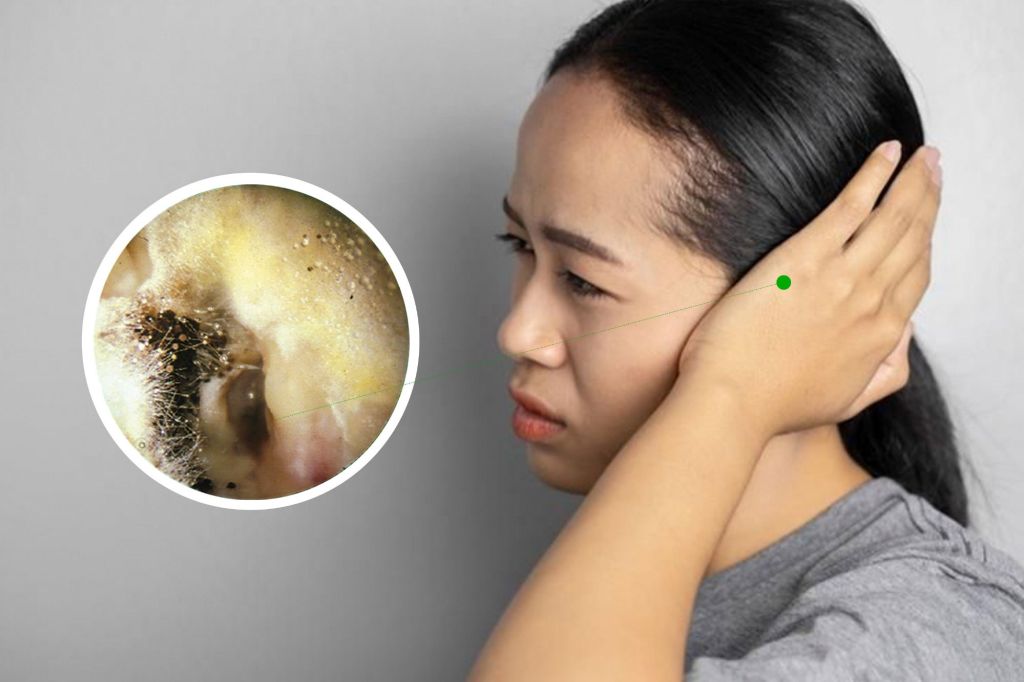
4. Infections: Wax impaction can create a breeding ground for bacteria, leading to ear infections.
5. Dizziness: In some cases, the buildup of wax may affect balance and cause dizziness.

Preventing Ear Wax Impact
To avoid the problems associated with impacted ear wax:
1. Avoid Inserting Objects: Refrain from using cotton swabs, hairpins, or other objects to clean your ears. These can push wax deeper into the ear canal.
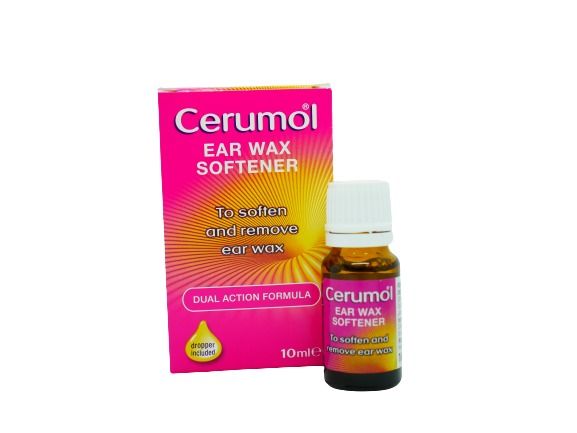
2. Use Ear Drops: Over-the-counter ear drops can help soften the wax, allowing it to exit the ear canal naturally. Follow the instructions on the package carefully.
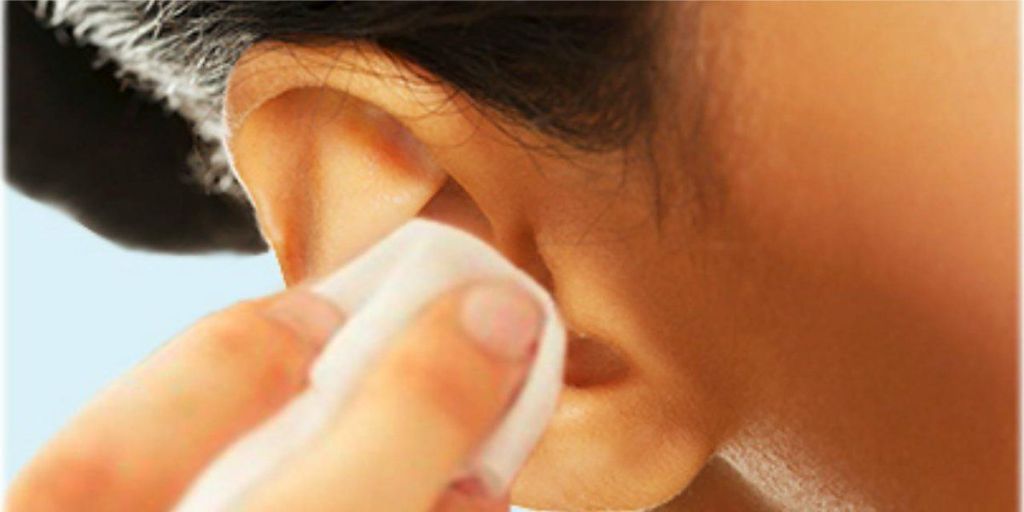
3. Regular Cleaning: Gently clean the outer ear with a washcloth. The ear canal usually cleans itself, so avoid inserting anything into it.
4. Monitor Hearing Aid Use: If you use hearing aids, make sure they are properly fitted and cleaned to prevent wax buildup around the device.
5. Consult a Professional: Regular check-ups with an ear specialist can help manage ear wax and identify potential issues early.

Correct Way to Clean Ear Wax
If you suspect wax buildup, follow these steps recommended by ear specialists:
1. Use Ear Drops: Place a few drops of over-the-counter ear drops into your ear canal. This will help soften the wax. Tilt your head to the side to allow the drops to reach the wax, and remain in this position for a few minutes.

2. Drain and Rinse: After using ear drops, tilt your head in the opposite direction to allow the softened wax to drain out. You can rinse the outer ear with warm water.

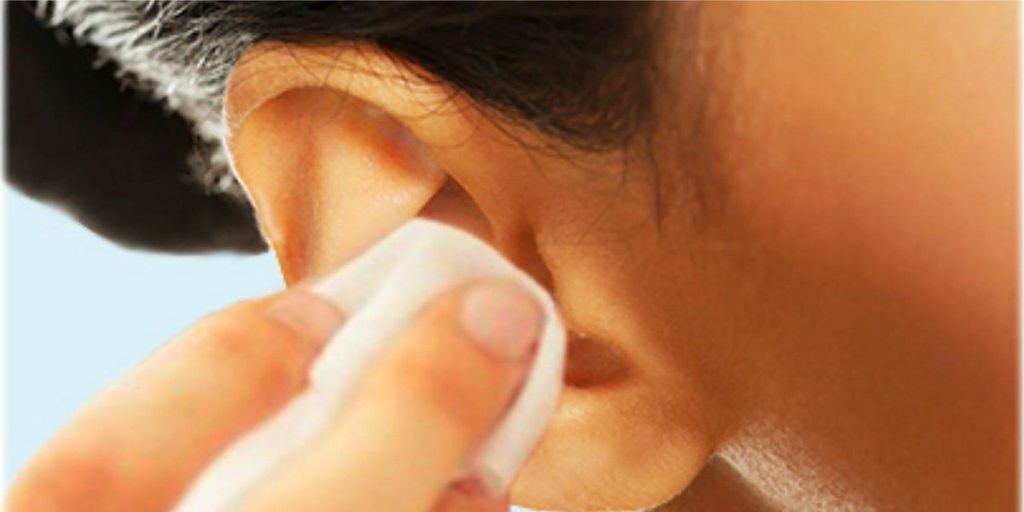
3. Dry Your Ear: Gently dry your ear with a soft towel. Avoid inserting anything into the ear canal.
4. Seek Professional Help: If the wax persists or if you experience pain, hearing loss, or other symptoms, consult an ear specialist. They may use specialized instruments to remove the wax safely.

By understanding the causes and complications of impacted ear wax and following proper ear care practices, you can help maintain your ear health and prevent unnecessary discomfort.
Click here to book an appointment with me for consultation and treatment of impacted ear wax.








 Dr. Ameen, ENT Specialist in Kuala Lumpur
Leave a comment