


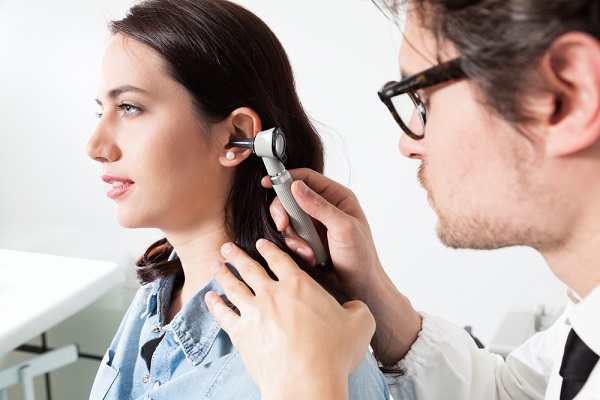

Hearing is one of our most precious senses, yet it’s often taken for granted until problems arise. As an ENT consultant, I can’t emphasize enough how vital it is to stay proactive about your hearing health. Hearing loss is not just a natural part of aging (presbycusis); it can be a sign of underlying health issues, and often, it’s more manageable when detected early.
One of the most surprising facts about hearing loss is that it can occur gradually and unnoticed. Many individuals don’t realize they are experiencing hearing impairment until it significantly affects their quality of life. The Centers for Disease Control and Prevention (CDC) reports that approximately 15% of American adults experience some form of hearing loss, and yet, only a small fraction seek help in the early stages.
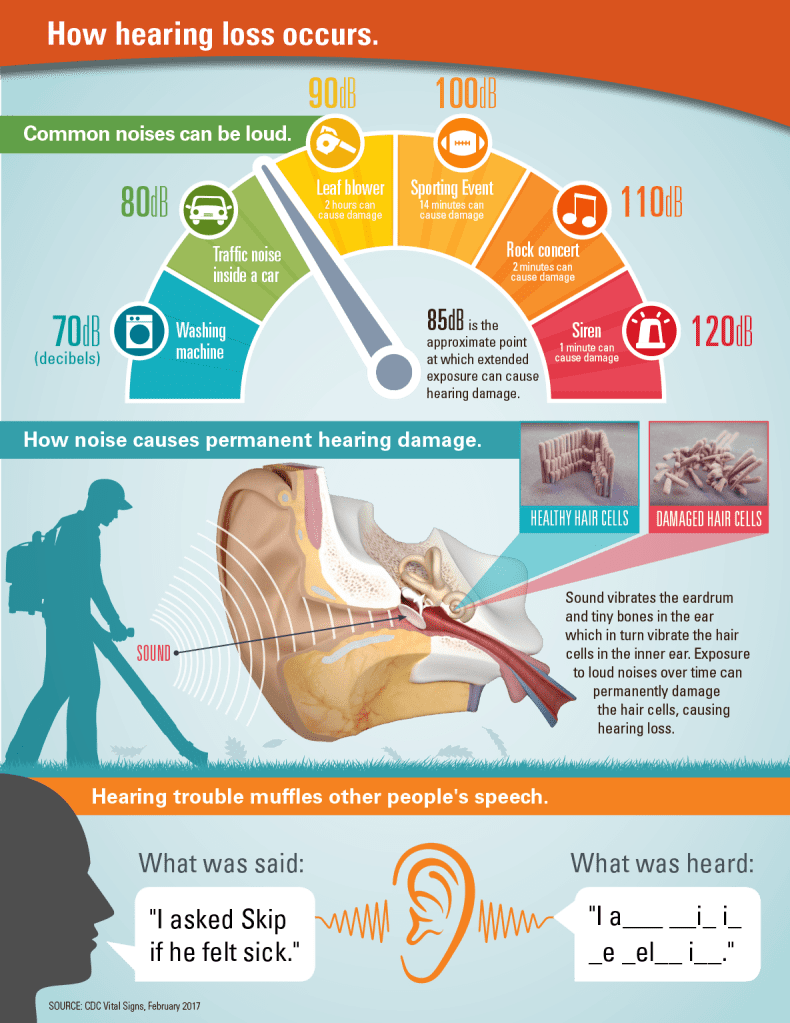
Early Signs of Hearing Loss
Many people begin to notice they’re struggling to hear in noisy environments, or they may ask others to repeat themselves more often. If you find yourself turning up the volume on your television or radio, or if family members complain about your hearing, it’s time to get your hearing checked.


The Link Between Hearing and Overall Health
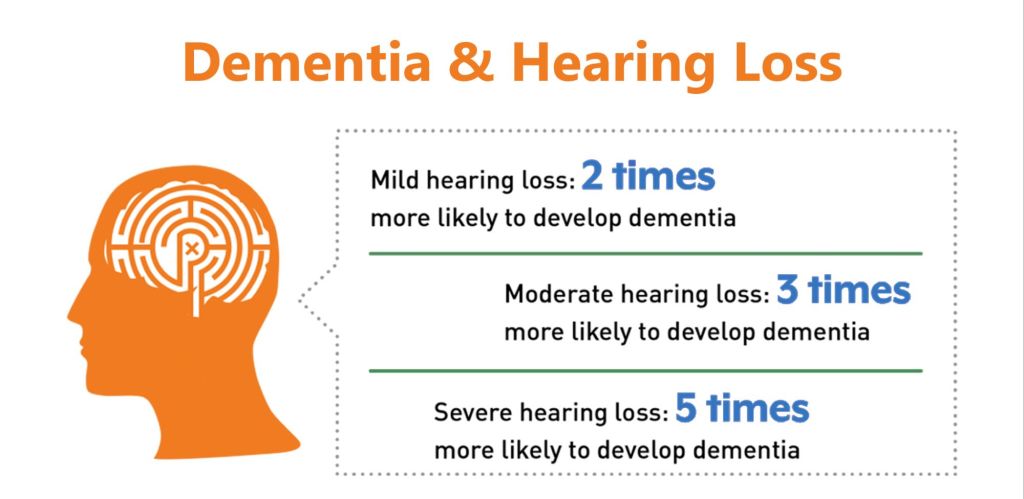
Hearing loss can impact more than just communication. Research has shown that untreated hearing impairment is linked to an increased risk of depression, cognitive decline, and even falls. According to recent studies, people with untreated hearing loss are at a greater risk of developing dementia, as the brain is forced to work harder to process sounds, leading to cognitive fatigue.

Why Regular Hearing Checks Matter
Just like vision tests or blood pressure checks, hearing tests are essential to maintaining your overall health. Even if you don’t notice any problems, an audiologist can detect early signs of hearing loss that are not obvious to the individual. Early intervention can lead to more effective treatments—whether it’s hearing aids, medical management, or lifestyle changes—and can help you maintain your hearing and quality of life for longer.
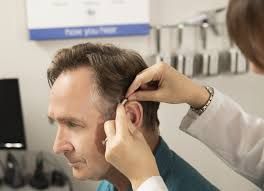
Types of Hearing Assessments
There are several types of hearing tests available to assess the extent and type of hearing loss:
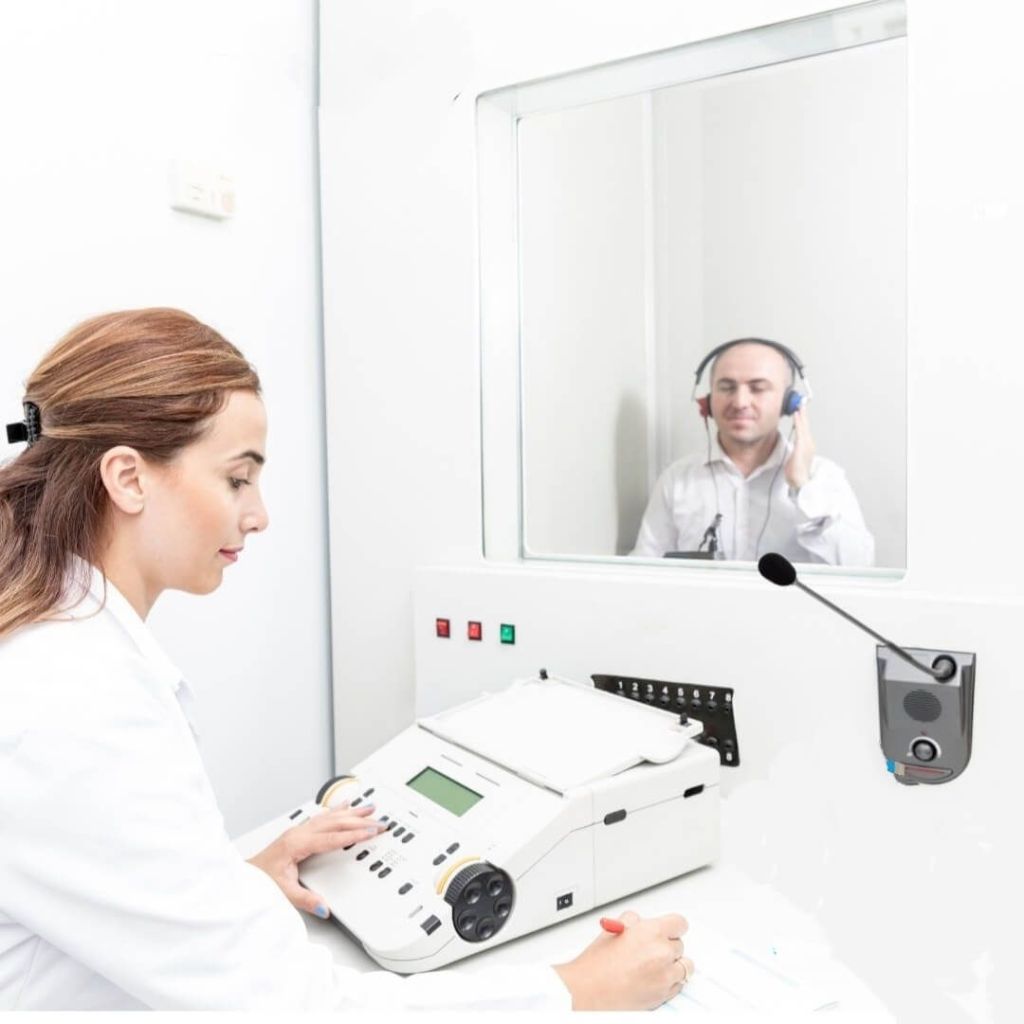
1. Pure Tone Audiometry – This test involves listening to different pitches and volumes of sounds through headphones. It helps identify the quietest sound you can hear at various frequencies.
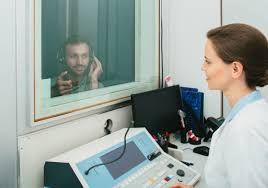
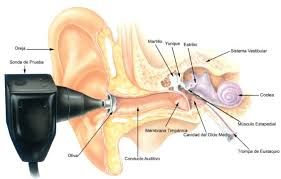
2. Tympanometry – A test that measures the movement of the eardrum in response to changes in air pressure. It helps assess the condition of the middle ear and the eardrum.
3. Speech Audiometry – This test involves repeating words played at different volumes. It evaluates how well you understand speech, which can be impacted even if you can hear sounds.
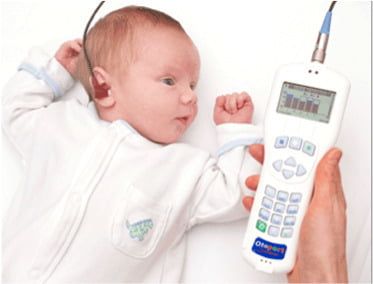
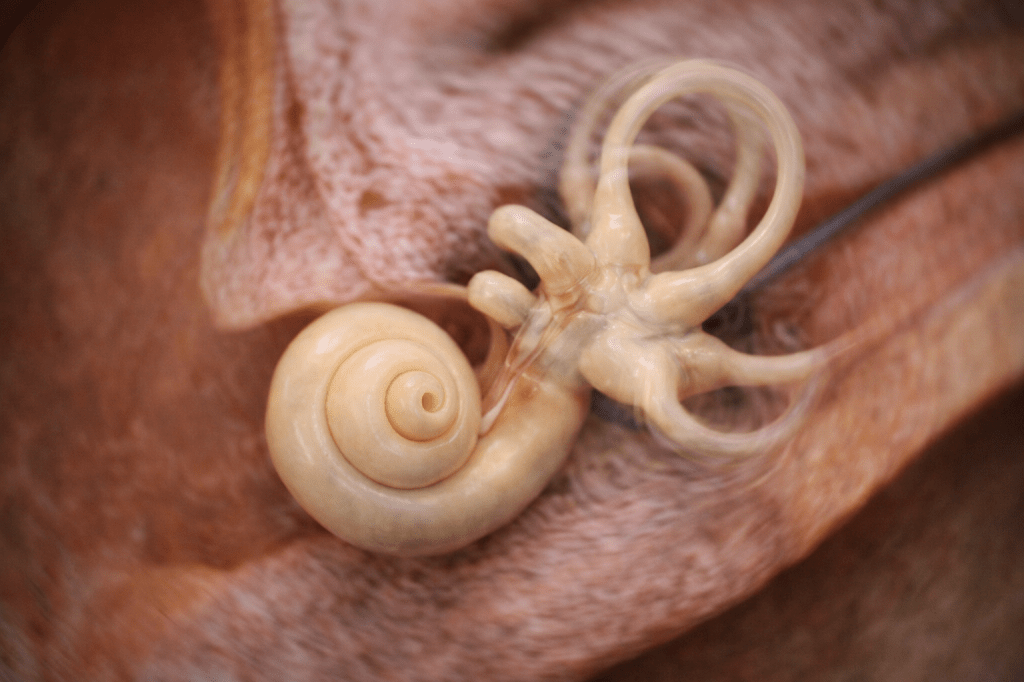
4. Otoacoustic Emissions (OAEs) – A test that measures sound waves produced by the inner ear. It is often used for newborns and to check the function of the cochlea.
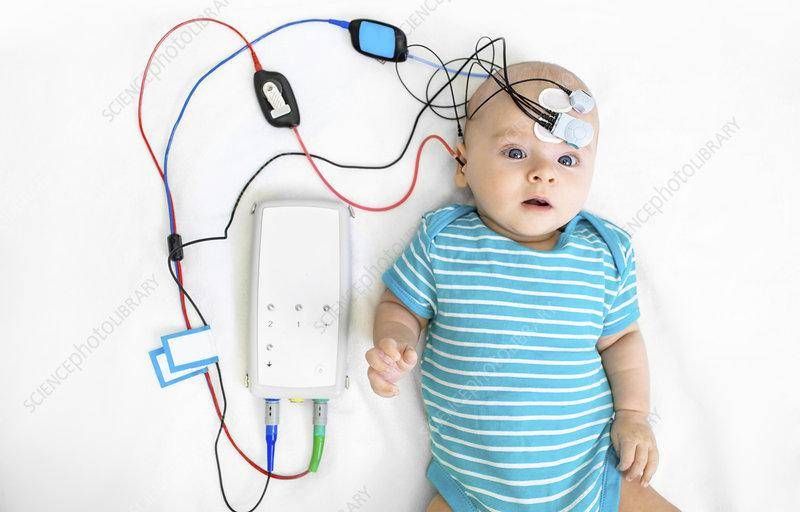
5. Auditory Brainstem Response (ABR) – This test assesses the nerve pathways between the ear and the brain by measuring brain wave responses to sound stimuli. It’s used when more detailed information about hearing pathways is needed.
The Bottom Line
Hearing is something we often overlook, but its impact on daily life is profound. Regular hearing checks, through a combination of assessments, can help catch problems before they become serious, making treatment easier and more effective. If you haven’t had a hearing test recently, consider scheduling one today. It’s a small step that could make a world of difference in your life.

Taking care of your hearing now means you’ll be able to continue enjoying the sounds of life—whether it’s music, conversation, or the laughter of loved ones—for years to come.

To schedule a consultation for your hearing issues, please click here for Sunway Velocity Medical Centre or here for Columbia Setapak Hospital.
Alternatively, you can visit this website to easily schedule your hearing assessment.








 Dr. Ameen, ENT Specialist in Kuala Lumpur
Leave a comment