


Introduction
Otorhinolaryngology — or ENT (Ear, Nose, and Throat) medicine — has seen remarkable progress over the last few decades. From microscopic surgeries to advanced endoscopic procedures, modern ENT practice relies heavily on technology. But one technology stands out for its transformative potential: Artificial Intelligence (AI). AI is no longer just a buzzword; it is beginning to reshape how we diagnose diseases, plan treatments, and even predict patient outcomes. As more ENT specialists integrate AI into their practice, it’s worth understanding what this means for patients and the wider medical community.

Evolving Role of AI in Otorhinolaryngology
AI is best thought of as machines or software that can “learn” from large amounts of data. In ENT practice, AI mainly works behind the scenes — analyzing images, detecting patterns, and helping doctors make better decisions.
One of the most exciting uses of AI is in endoscopic image analysis. Traditional endoscopy relies on the specialist’s trained eye to detect subtle signs of disease. Now, AI-powered systems can highlight suspicious areas on live endoscopic videos in real time. For example, certain AI algorithms can detect early signs of nasopharyngeal cancer or vocal cord lesions that might be missed by the human eye.
Another growing area is diagnostic support. AI models can process thousands of patient records, imaging results, and lab tests to help doctors arrive at a more accurate diagnosis — faster. In hearing care, AI can analyze audiograms and even predict the progression of hearing loss. For sleep disorders like obstructive sleep apnea, AI tools can interpret sleep studies more efficiently than manual scoring.
When it comes to treatment planning, AI can help ENT surgeons map out complex procedures. For instance, 3D imaging combined with AI can help plan delicate surgeries for chronic sinusitis or skull base tumors, minimizing risks and improving outcomes.
Specific Applications in ENT Practice
1. Cancer Detection
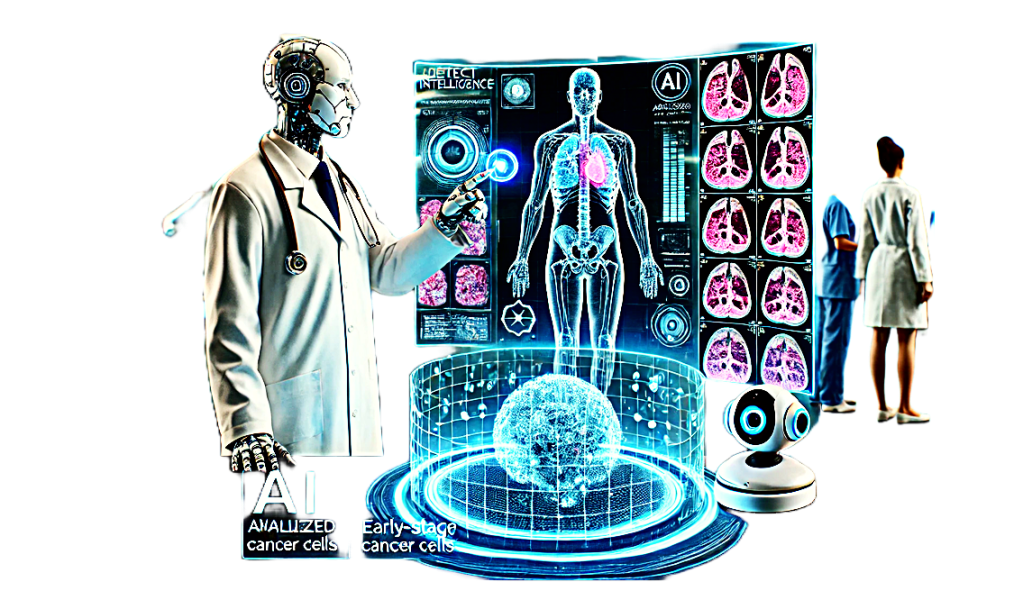
Head and neck cancers are a major concern in ENT. Early detection is critical for better survival rates. AI algorithms trained on thousands of images can now spot tiny, early-stage tumors on scans or endoscopic images. Studies have shown that some AI systems can match — or even surpass — human specialists in detecting certain cancers, like nasopharyngeal carcinoma. This does not replace doctors but acts as an extra pair of eyes that never gets tired.
Read more:
2. Imaging and Radiology
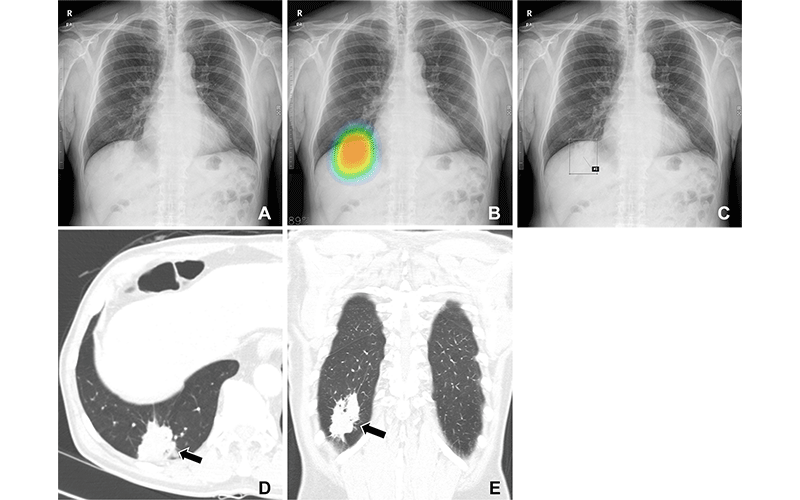
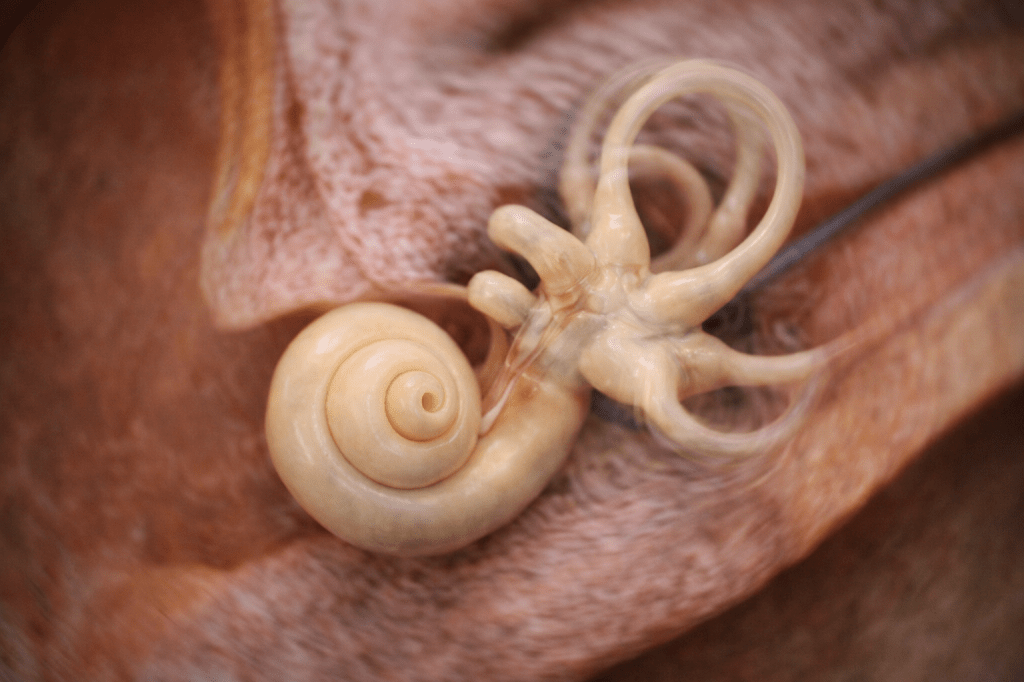
AI is also revolutionizing ENT radiology. In CT and MRI scans of the sinuses or inner ear, AI can automatically detect anatomical variations, inflammation, or tumors. For cochlear implants, AI can help map the patient’s cochlear anatomy and suggest the best electrode placement for optimal hearing outcomes.
Read more:
Applications of Artificial Intelligence in Temporal Bone Imaging: Advances and Future Challenges. Petsiou DP, Martinos A, Spinos D. Cureus. 2023 Sep 2;15(9):e44591.
3. Voice and Speech Analysis

Another emerging field is AI-powered voice analysis. For patients with vocal cord paralysis or early laryngeal cancer, subtle changes in voice can be detected by AI tools. This could lead to earlier intervention before the disease progresses.
Read more:
4. Hearing Devices

AI is already part of modern hearing aids. Smart hearing aids use AI to adapt to different sound environments, suppress background noise, and even learn user preferences over time.
Read more:
Challenges and Limitations
While the promise of AI is huge, there are important challenges to address.
Data Privacy: AI systems need vast amounts of patient data to learn and improve. Ensuring that this data remains confidential and secure is a major concern.
Accuracy and Bias: AI is only as good as the data it’s trained on. If the training data is limited or biased, the AI’s predictions may not be reliable for all patients. For example, an AI trained mainly on scans from Western populations may not perform well in other regions.
Cost and Accessibility: Implementing AI tools can be expensive. Smaller clinics may not have the resources to invest in high-end AI systems, which could widen the gap between urban and rural healthcare.
Clinical Acceptance: Many ENT specialists are still cautious about fully trusting AI outputs. Integrating AI into daily practice requires training, experience, and a shift in mindset. The human doctor’s judgment remains irreplaceable.
Future Directions
The future looks promising. Researchers are working on multi-modal AI, which combines data from scans, endoscopies, lab results, and patient histories to provide even more accurate predictions.
Telemedicine is another area where AI will play a bigger role. Remote diagnosis powered by AI can help reach patients in rural areas with limited ENT access. Imagine a patient uploading an endoscopic video to a secure app that uses AI to screen for nasal polyps or vocal cord nodules.
Another exciting frontier is robot-assisted surgery. While robots have been used in ENT for years, combining them with AI could lead to more precise, safer procedures with faster recovery times.
Lastly, AI will likely become part of personalized medicine — tailoring treatment plans to an individual’s unique anatomy, genetics, and lifestyle.
Conclusion
AI is not here to replace ENT specialists but to empower them. From sharper diagnosis to better treatment planning and personalized care, AI is transforming how we practice otorhinolaryngology. Like any tool, its success depends on how responsibly and wisely it’s used.
As technology advances, patients can expect earlier detection of diseases, fewer complications, and more customized treatments. For doctors, AI means more time for what matters most: listening to patients, making informed decisions, and providing the human care that no machine can replace.
As an experienced ENT consultant, I am excited about what AI brings to our field and committed to using these tools safely and effectively for the benefit of every patient.

Ready to see me? Click here for Sunway Velocity Medical Centre or here for Columbia Setapak Hospital! Or, if you prefer the old-school way, give a ring at 03-41313771 to book your appointment at Klinik ANDA Wangsa Melawati. Can’t wait to see you!





 Dr. Ameen, ENT Specialist in Kuala Lumpur
Leave a comment