



It’s one thing to have a stuffy nose from the flu — but what if your nasal blockage never seems to go away? Waking up congested, breathing through your mouth, or constantly reaching for nasal sprays can be frustrating. A persistent nasal block (or chronic nasal obstruction) is more than just a nuisance — it can affect your sleep, focus, and even your overall health.
Let’s uncover the common causes, treatment options, and home measures to finally breathe better again.

🤧 Common Causes of Persistent Nasal Block
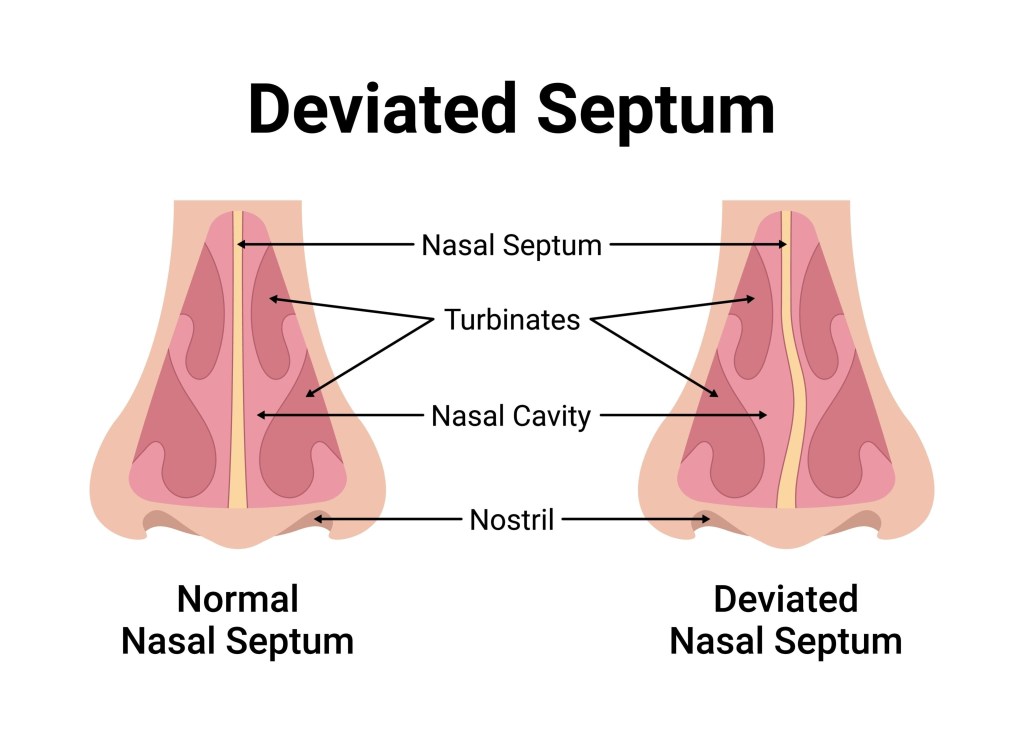
- Deviated Nasal Septum (Hidung Bengkok)
- The nasal septum is the wall dividing your nose into two sides. When it’s crooked, one side becomes narrower, making breathing difficult.
- Often due to trauma or can be present since birth.
- Allergic Rhinitis (Resdung)
- Allergy to dust, pollen, or animal fur causes chronic inflammation of the nasal lining, leading to blockage, sneezing, and itchy nose.
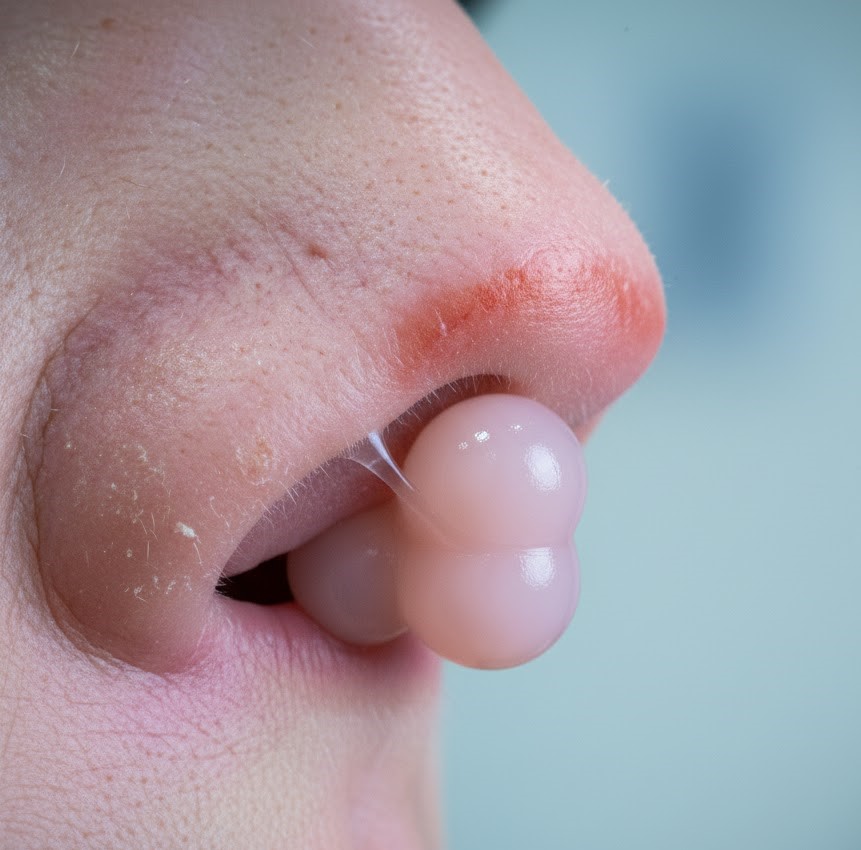
- Nasal Polyps
- Soft, painless growths inside the nasal passages that cause long-term congestion, loss of smell, and sinus pressure.
- Chronic Sinusitis (Sinus)
- Persistent inflammation or infection of the sinuses leads to blocked airflow, thick mucus, and facial pressure.
- Enlarged Turbinates
- The turbinates (structures inside your nose that warm and humidify air) may swell due to allergies or irritation, narrowing the airway.
- Environmental and Lifestyle Factors
- Exposure to cigarette smoke, dry air, strong perfumes, or frequent use of decongestant sprays can worsen nasal blockage.
🩺 Diagnosis and Investigations
An ENT specialist (Ear, Nose, and Throat doctor) will:
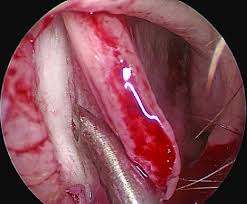
- Examine the nose using an endoscope (nasal camera).
- Order a CT scan if sinus disease or nasal polyps are suspected.
- Perform allergy testing if allergic rhinitis is a concern.
A precise diagnosis helps tailor treatment — because not all nasal blockages have the same cause.

💊 Medical and Surgical Treatment Options
Medical management may include:
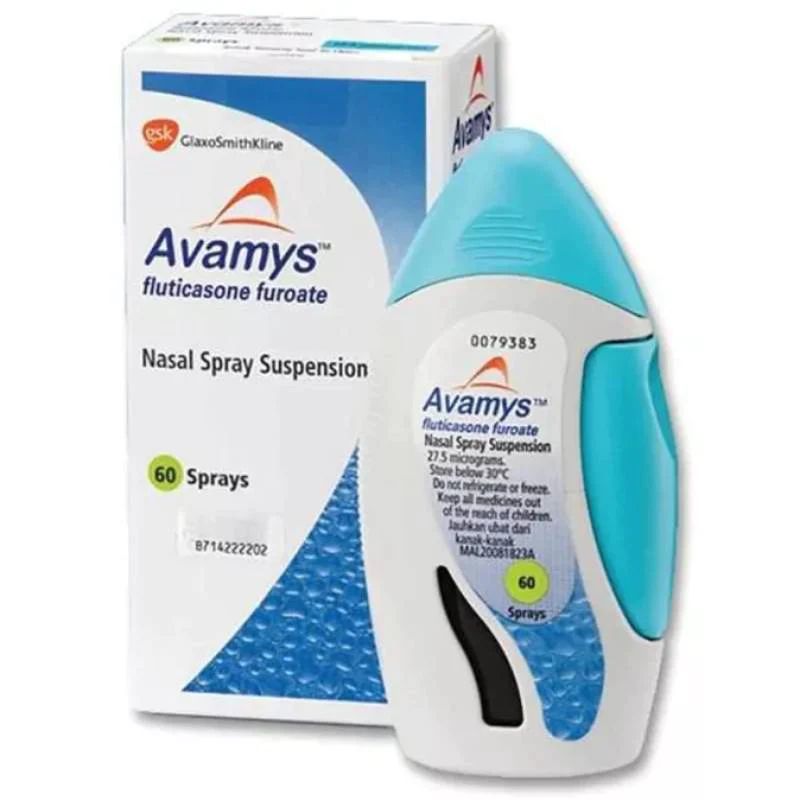
- Nasal steroid sprays to reduce swelling and inflammation.
- Antihistamines for allergy control.
- Saline nasal rinse to keep passages clean.
- Antibiotics for bacterial sinus infection (if indicated).
If symptoms persist despite medications, surgical options might be needed:
- Septoplasty – to straighten a deviated septum.
- Turbinate reduction – to shrink enlarged turbinates.
- Endoscopic sinus surgery – to remove polyps or open blocked sinus pathways.
🏡 Simple Home and Preventive Measures
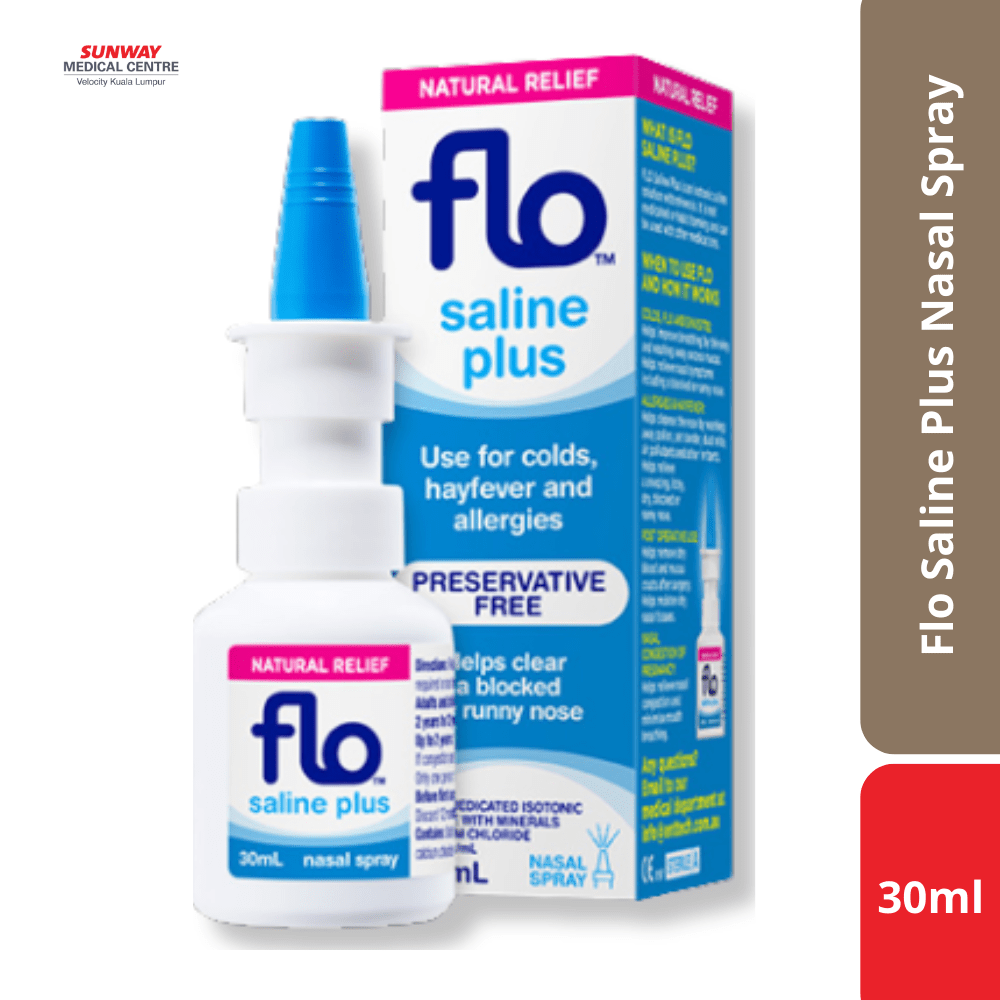
- Use a saline spray or rinse regularly to clear dust and mucus.
- Avoid known allergens such as dust mites, cigarette smoke, or animal fur.
- Maintain indoor humidity using a humidifier.
- Stay hydrated to keep nasal passages moist.
- Avoid overusing decongestant sprays — they can cause rebound blockage if used for too long.
🌟 When to Seek Specialist Help
If your nasal block:
- Lasts more than 3 weeks,
- Interferes with sleep or breathing,
- Or is associated with facial pain, snoring, or loss of smell,
…it’s time to see an ENT specialist for a proper assessment.

💬 Final Thoughts
A persistent blocked nose is not normal — and it’s often treatable once the real cause is identified. Whether it’s an allergy, sinus issue, or structural problem, modern ENT treatments can restore smooth, effortless breathing.
👉 Breathe freely. Sleep better. Live better.

Book an appointment with me at SMCV or Columbia Setapak for consultation 🙂







 Dr. Ameen, ENT Specialist in Kuala Lumpur
Leave a comment