


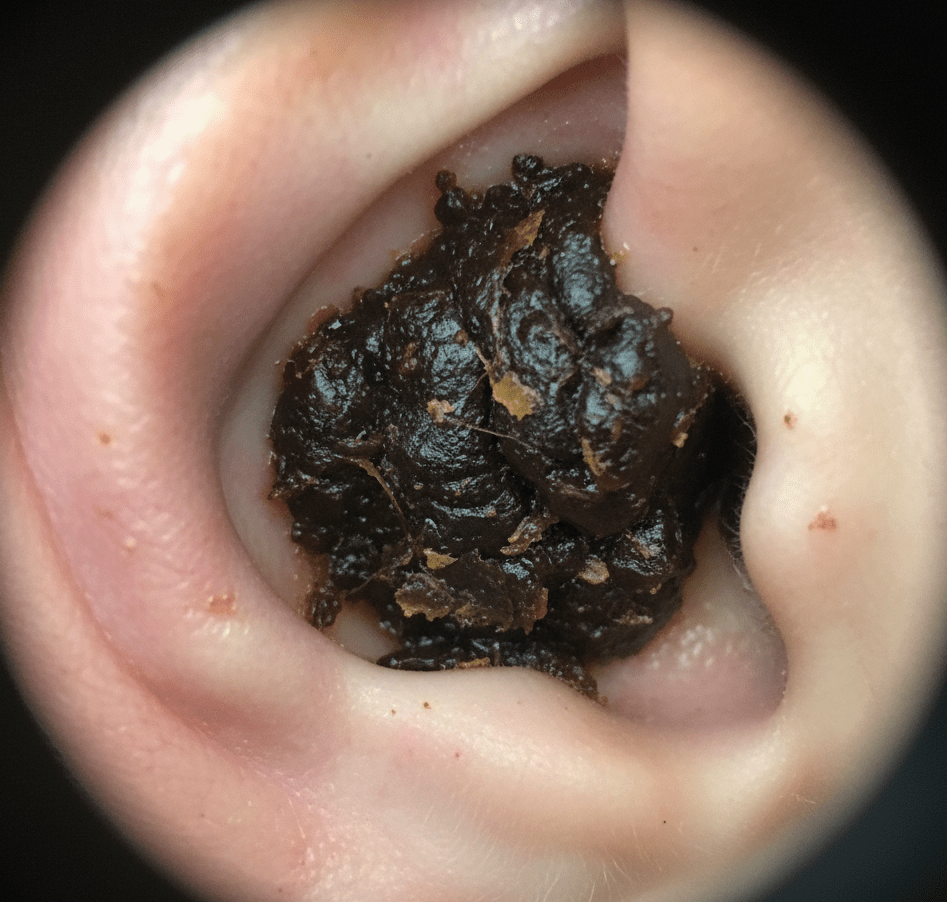
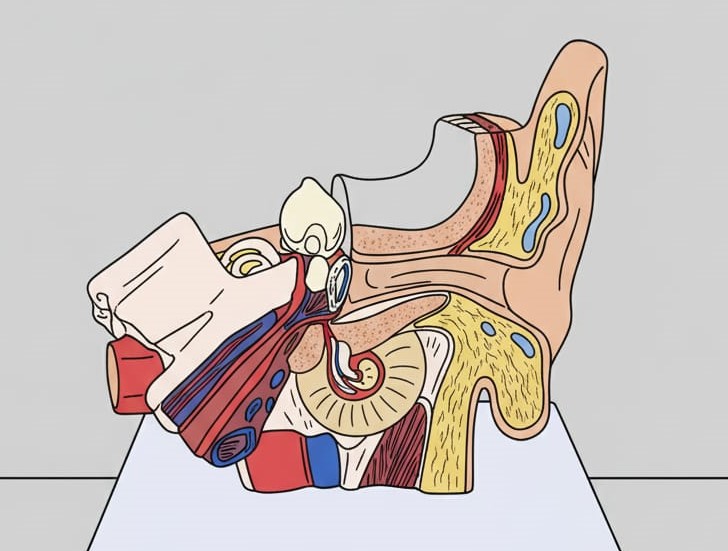
The pervasive habit of self-ear cleaning is widespread, yet medical consensus overwhelmingly advises against inserting objects into the ear canal. Your ears are remarkably self-cleaning organs, and attempts to manually remove earwax (known scientifically as cerumen) often do more harm than good, increasing the risk of injury and infection.
Here is the exclusive, evidence-based approach to maintaining optimal ear health and hygiene.
🚫 Stop the Swab: The Danger of Cotton Buds
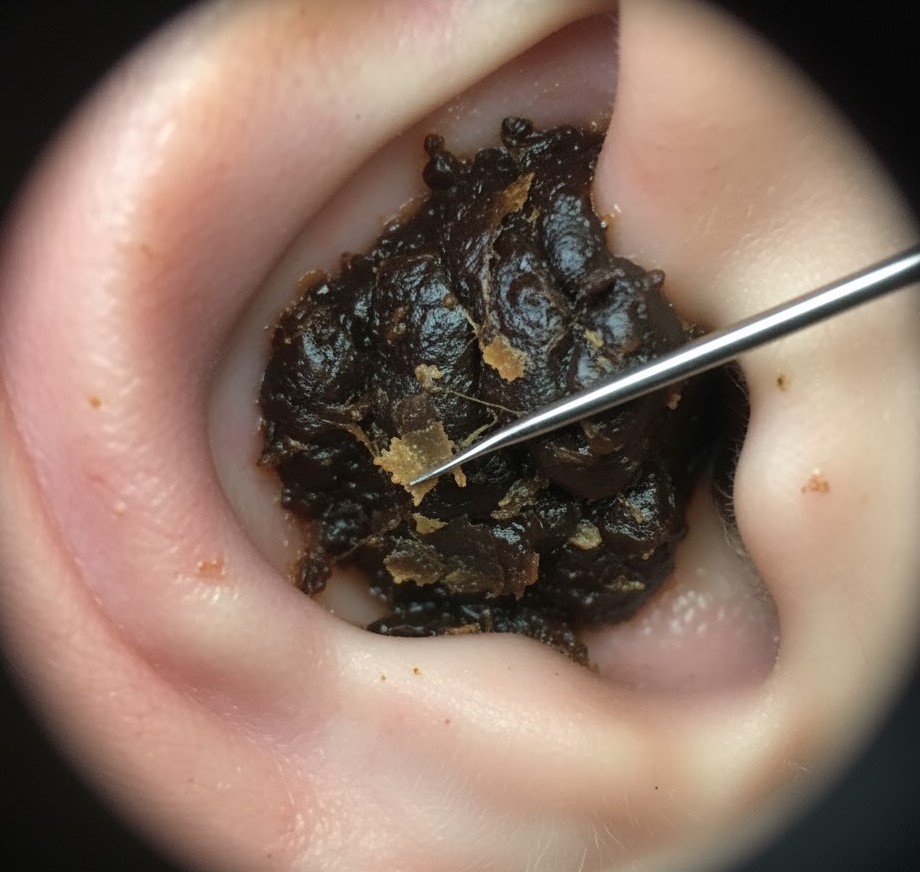
The most crucial step in safe ear cleaning is to abandon the cotton swab. Despite their popularity, studies indicate that cotton buds are the most common cause of ear-related injuries from self-cleaning.
- Pushes Wax Deeper: Cotton swabs typically push the cerumen deeper into the ear canal, past the self-cleansing area. This can lead to impaction, where the wax becomes blocked and causes symptoms like hearing loss, pain, ringing (tinnitus), or a feeling of fullness.
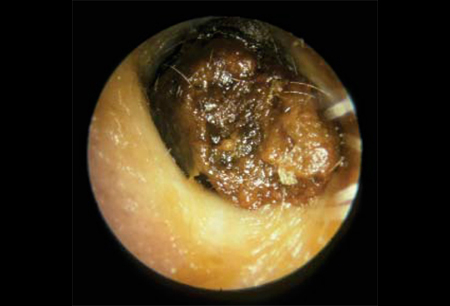
- Risk of Injury: The skin lining the ear canal is delicate. Inserting any object—including cotton swabs, hairpins, or keys—can cause abrasions, bleeding, infection (otitis externa), and even rupture the eardrum (tympanic membrane perforation), potentially leading to permanent hearing impairment.
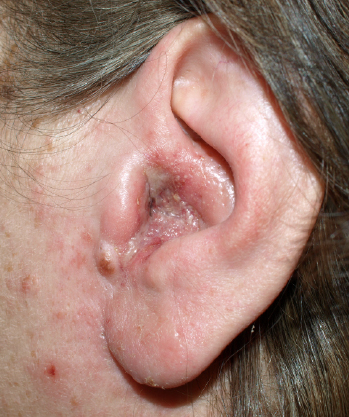
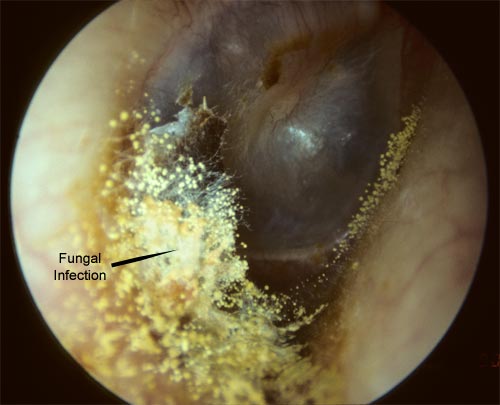
- Disrupts Natural Function: Cerumen is vital; it acts as a natural barrier, lubricant, and antimicrobial agent. Excessive cleaning removes this protective layer and can alter the ear’s natural pH, predisposing it to fungal and bacterial infections.
✅ How to Clean Ears Properly (The Safe Way)
For the vast majority of people, the ears require no deep cleaning whatsoever. The natural motion of your jaw helps old cerumen migrate out of the canal on its own.
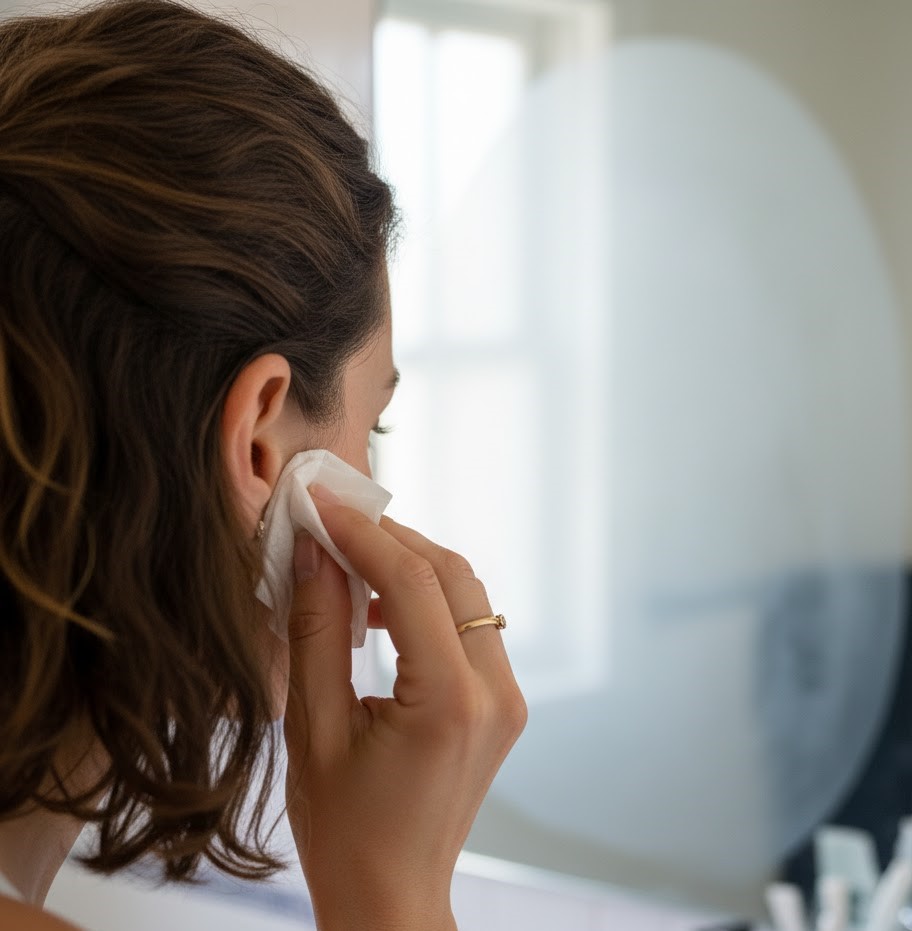
- Clean the Outer Ear Only: Use a damp washcloth or tissue on your finger to gently wipe the visible folds and the opening of the ear canal after showering. Never insert your finger or the cloth into the canal itself.
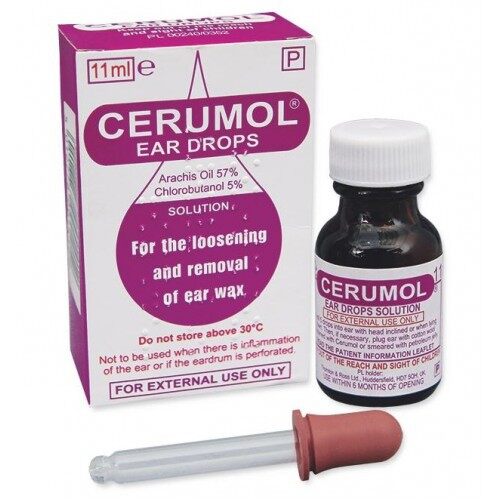
- Use Earwax Softening Agents (Cerumenolytics): If you experience symptoms of mild, non-impacted earwax buildup, a healthcare provider may suggest the use of drops.
- Commonly recommended agents include mineral oil, olive oil, or over-the-counter drops containing diluted hydrogen peroxide or carbamide peroxide.
- These drops help to soften the cerumen, allowing the ear’s natural mechanism to pass the wax outward. Crucially, consult a doctor before using drops if you have a known eardrum perforation, ear tubes, or a history of ear surgery, as certain ingredients can cause damage if they enter the middle ear.
🧑⚕️ When to See a Professional: The Best Solution
If you experience persistent symptoms like decreased hearing, pain, dizziness, discharge, or believe you have an earwax blockage (impacted cerumen), professional removal by an ENT specialist (Otolaryngologist) or a trained primary care provider is the safest and most effective solution.
Professional techniques, performed under direct visualization, include:
- Microsuction: Using a gentle vacuum-like device to suck the wax out. This is a quick and effective method that avoids moisture exposure.
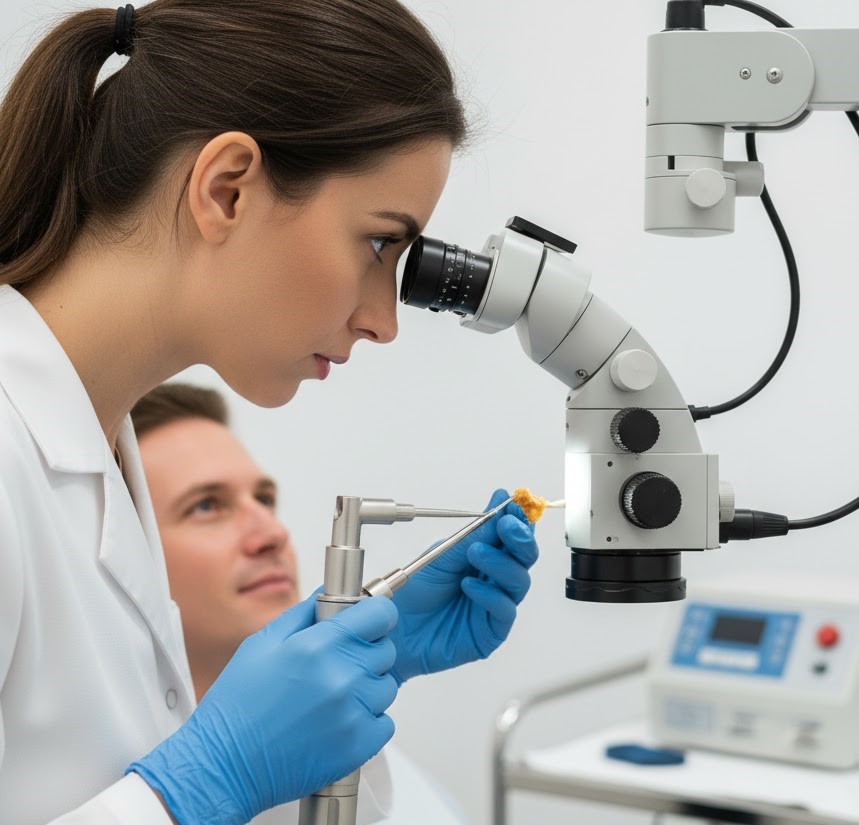
- Manual Removal: Using specialized, curved instruments (curettes or forceps) to scoop or grasp the wax.
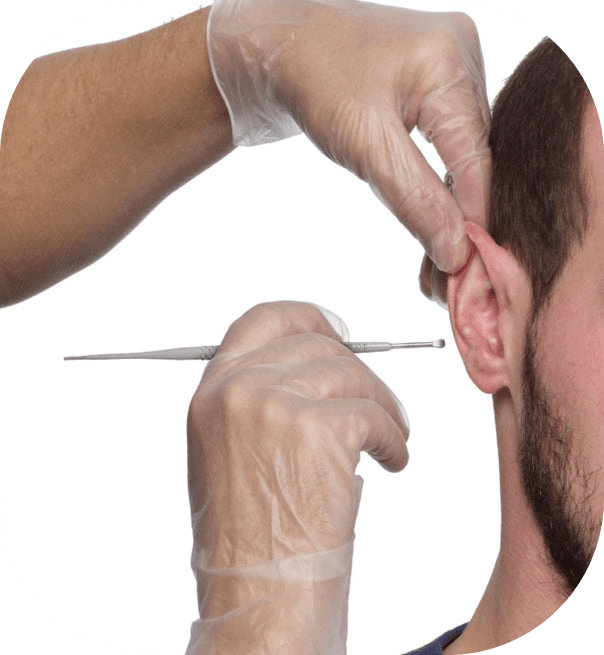
- Irrigation (Syringing): Using an electronic irrigator to flush the wax out with a controlled stream of warm water. This is typically done after softening the wax with drops.

“Your ear canal is a “no-entry” zone. Stick to cleaning the external ear, and when in doubt about troublesome buildup, seek a professional for safe and effective removal.“

Kindly book an appointment with me for a thorough consultation and proper management of your earwax problem 🙂







 Dr. Ameen, ENT Specialist in Kuala Lumpur
Leave a comment