


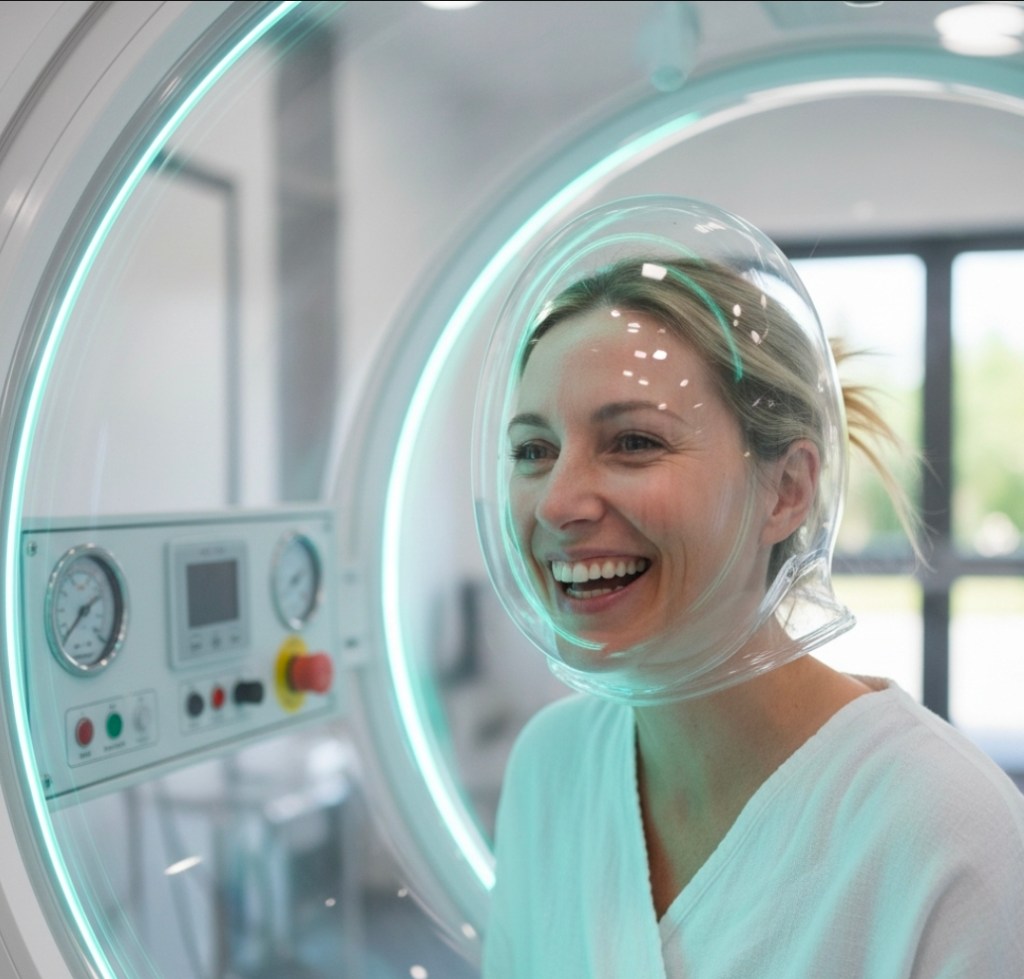
Click here for my previous post on HBOT and its benefit, pros and cons in the Ear, Nose and Throat field.
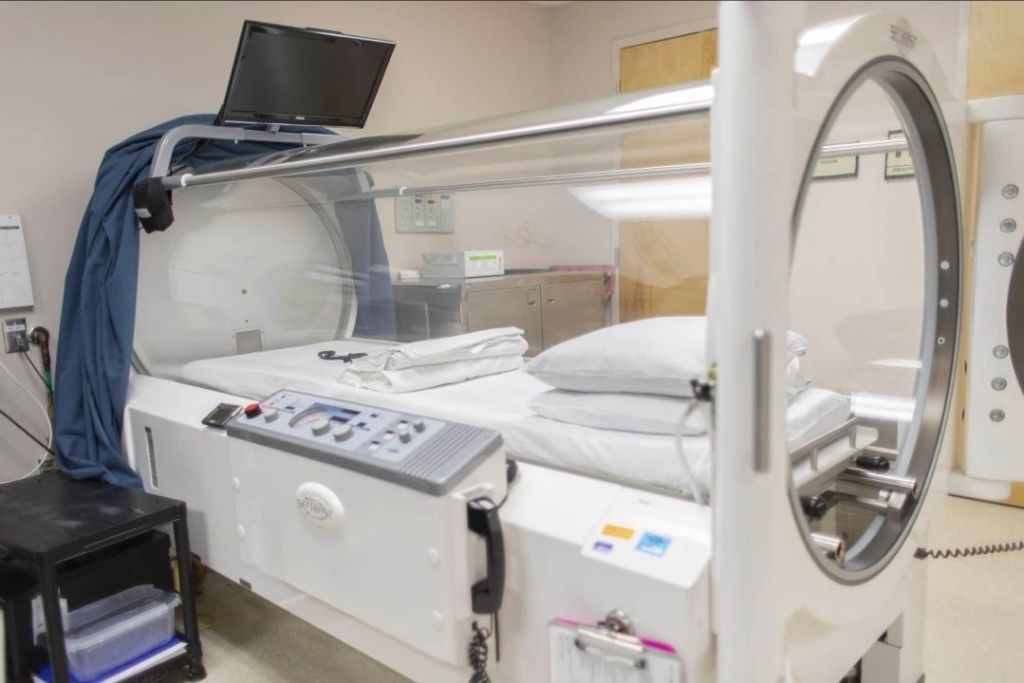
The latest research, including several systematic reviews and meta-analyses published in 2024 and 2025, generally supports the use of Hyperbaric Oxygen Therapy (HBOT) as an effective adjunctive (add-on) treatment for Sudden Sensorineural Hearing Loss (SSNHL).
Here is a summary of the key findings and ongoing discussions in leading journals:
1. HBOT Improves Hearing Outcomes When Combined with Steroids
Multiple recent high-level reviews strongly suggest that combining HBOT with standard medical therapy (usually systemic or intratympanic steroids) leads to better hearing recovery compared to steroids alone.
Higher Recovery Odds: A 2025 meta-analysis found that patients receiving HBOT in combination with medical therapy had 2.61 higher odds of experiencing hearing recovery than those treated with medical therapy alone.
Greater dB Improvement: A study from 2025 noted that the combination group showed a significantly better improvement in the Pure-Tone Average (PTA) threshold scores, particularly at lower frequencies, which are often crucial for speech understanding.
Mechanism: The benefit is theorized to come from HBOT dramatically increasing the oxygen partial pressure in the perilymph (inner ear fluid), correcting the hypoxia (oxygen deprivation) believed to be a primary cause of SSNHL.
2. Time is The Most Critical Factor
The consensus across all recent research emphasizes that the timing of HBOT is paramount.
Optimal Window: The best results are consistently seen when HBOT is initiated within 14 days of the onset of symptoms, aligning with the critical window for steroid therapy.
Early Intervention: One recent paper noted that patients receiving HBOT within 11 days of diagnosis demonstrated optimal outcomes. The biological basis for starting treatment within 72 hours vs. after a month is still being studied, but the overall message is: the sooner, the better.
3. HBOT is Effective as a Salvage Treatment and for Specific Subgroups
Research has highlighted the value of HBOT in specific clinical scenarios:
1) Salvage Therapy: HBOT is considered an important salvage treatment for patients who have failed an initial course of steroid therapy.
2) Contraindication to Steroids: In rare cases where patients have medical contraindications to receiving steroids, HBOT alone has shown encouraging results, with one older but relevant study showing a high complete recovery rate in this subgroup.
3) Severity and Age: Recent data suggests HBOT is particularly beneficial for:
-Younger patients.
-Patients with moderate to severe hearing loss (e.g., those with initial loss of >50 dB).
4. Need for Standardization and High-Quality Evidence
Despite the positive trend, recent systematic reviews (2024/2025) still highlight a lack of standardization and methodological limitations in many existing studies:
Controversy Remains: The overall quality of evidence has sometimes been rated as “unsatisfactory” due to the high variability in study designs, treatment protocols (pressure, duration, number of sessions), and outcome reporting.

Future Direction: Researchers call for more high-quality, large-scale, multi-center randomized controlled trials (RCTs) to define the optimal HBOT protocol (e.g., the ideal atmospheric pressure and number of sessions) to solidify its role in clinical guidelines.
Key Takeaway for Patients:
The latest evidence supports the use of HBOT as an effective complement to steroid therapy for SSNHL, especially when initiated quickly. If you or a loved one are diagnosed with SSNHL, discuss the option of combined steroid and HBOT treatment with your ENT specialist as soon as possible after diagnosis.

Or you can directly contact Axon Medical for more info on HBOT:








 Dr. Ameen, ENT Specialist in Kuala Lumpur
Leave a comment