



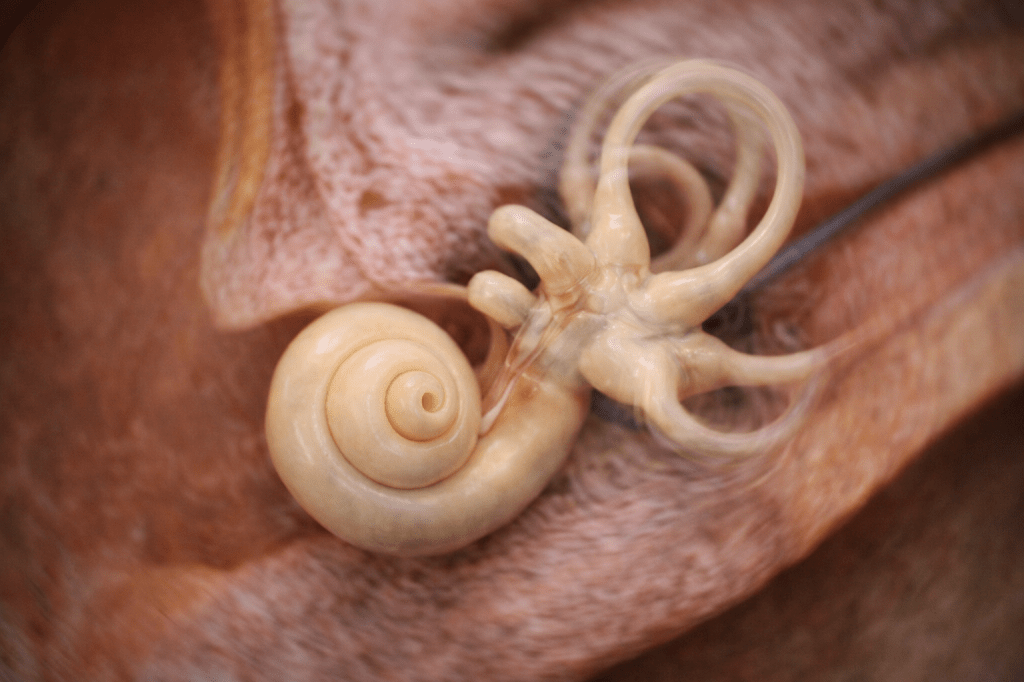
Vertigo, the sensation of spinning or whirling, can be a highly distressing symptom of peripheral vestibular dysfunction (a problem in the inner ear, which controls balance). While initial treatment often involves a physical therapist, consistent Home Vestibular Rehabilitation Therapy (VRT) is key to long-term recovery.

The goal of VRT, supported by extensive research in physical therapy journals, is to help your brain compensate for the faulty balance signals from your inner ear. This is achieved through specific exercises that encourage your central nervous system to adapt.

🔑 Key Principles of Home VRT
A home program is structured around three main types of exercises:
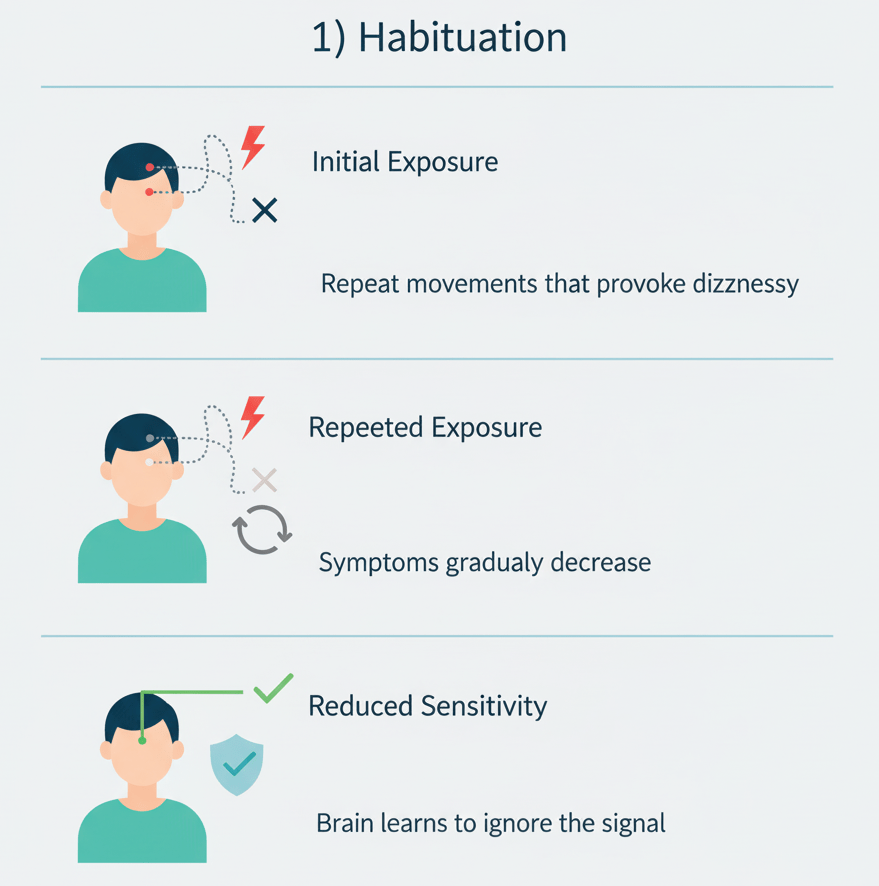
1. Habituation: To Reduce Dizziness – Repeatedly exposing yourself to movements that provoke dizziness, which gradually reduces the brain’s sensitivity to them.
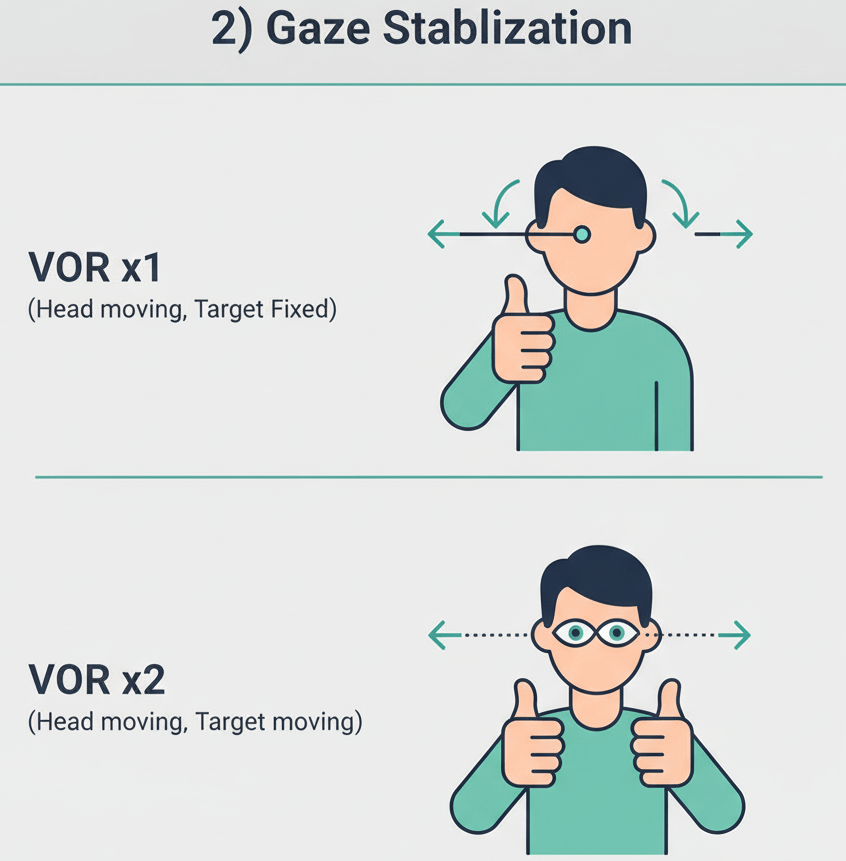
2. Gaze Stabilization (Adaptation): To Improve Vision/Gaze – Training your eyes to remain fixed on a target despite head movement, which is essential for clear vision while moving.
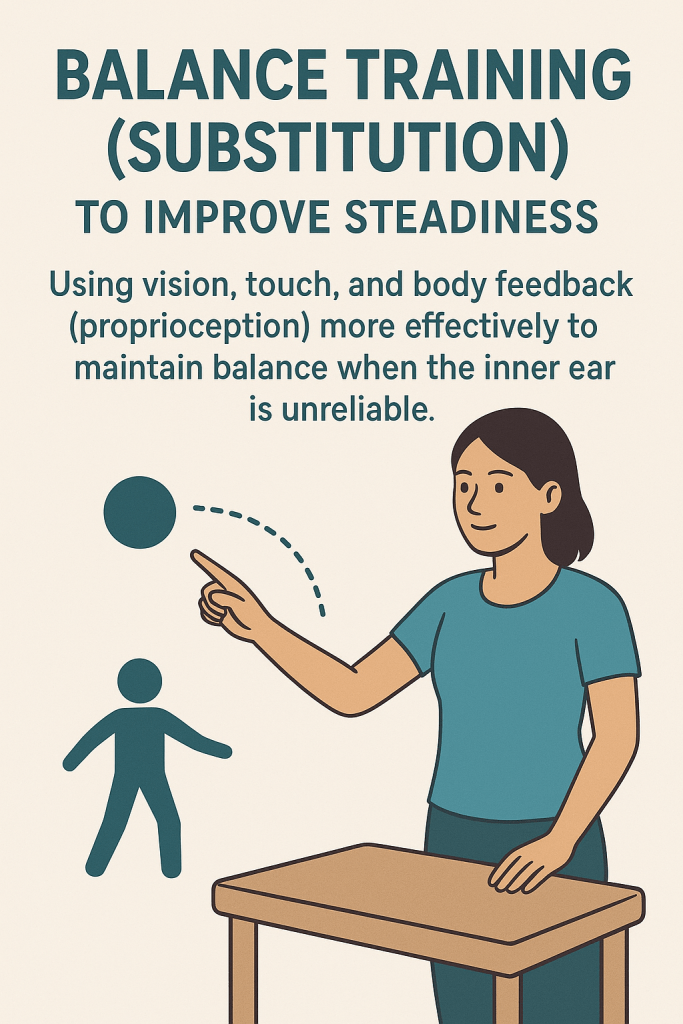
3. Balance Training (Substitution): To Improve Steadiness – Using vision, touch, and body feedback (proprioception) more effectively to maintain balance when the inner ear is unreliable.
🚶 The Core Home Exercise Program
Before starting any new exercise, you must consult your doctor or physical therapist to ensure it is appropriate for your specific diagnosis. You may feel more dizzy or unsteady at first—this is normal and shows your brain is adapting. However, stop immediately if you experience severe pain or feel faint.
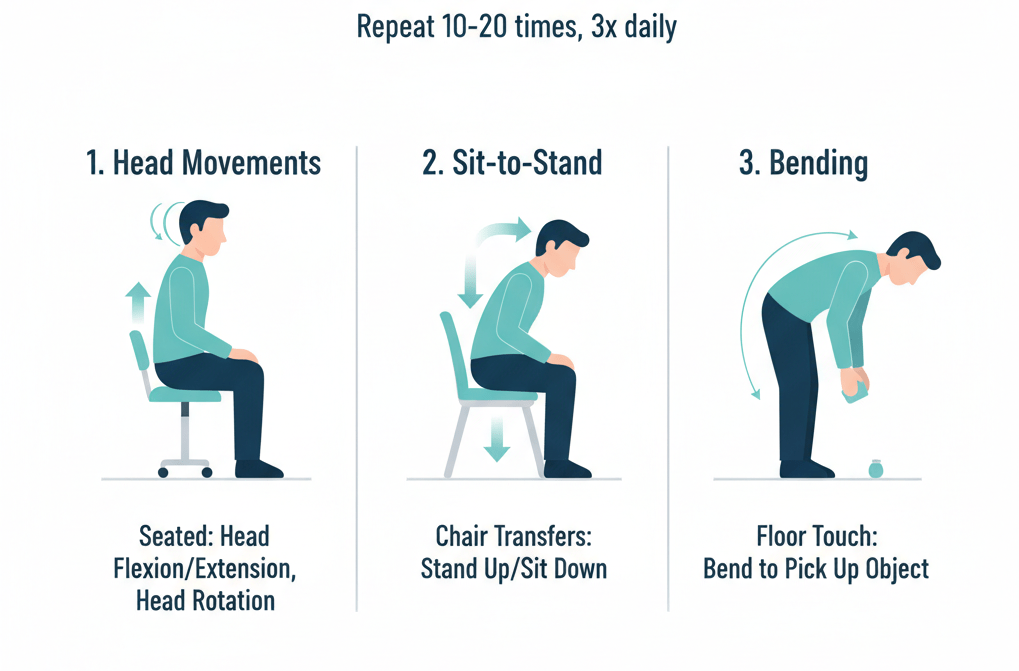
1. Habituation Exercises (Based on Cawthorne-Cooksey)
These exercises are often performed in sets, slowly at first, and then repeated more quickly as symptoms subside. The goal is to provoke a moderate level of dizziness, then push through it until it subsides.
a) Head Movements (Sitting):
* Bend your head forward (chin to chest) and backward (look up).
* Turn your head slowly from side to side (shoulder to shoulder).
* Progression: Repeat the movements with your eyes closed.
b) Sitting to Standing:
* Stand up and sit down slowly 10-20 times.
* Progression: Increase speed, or try it with your eyes closed (ensure a sturdy chair or wall is nearby).
c) Bending/Stooping:
* Bend down to the floor to pick up an object, then return to standing.
2. Gaze Stabilization / Adaptation Exercises
These exercises specifically target the Vestibulo-Ocular Reflex (VOR), which keeps your vision steady during head motion.
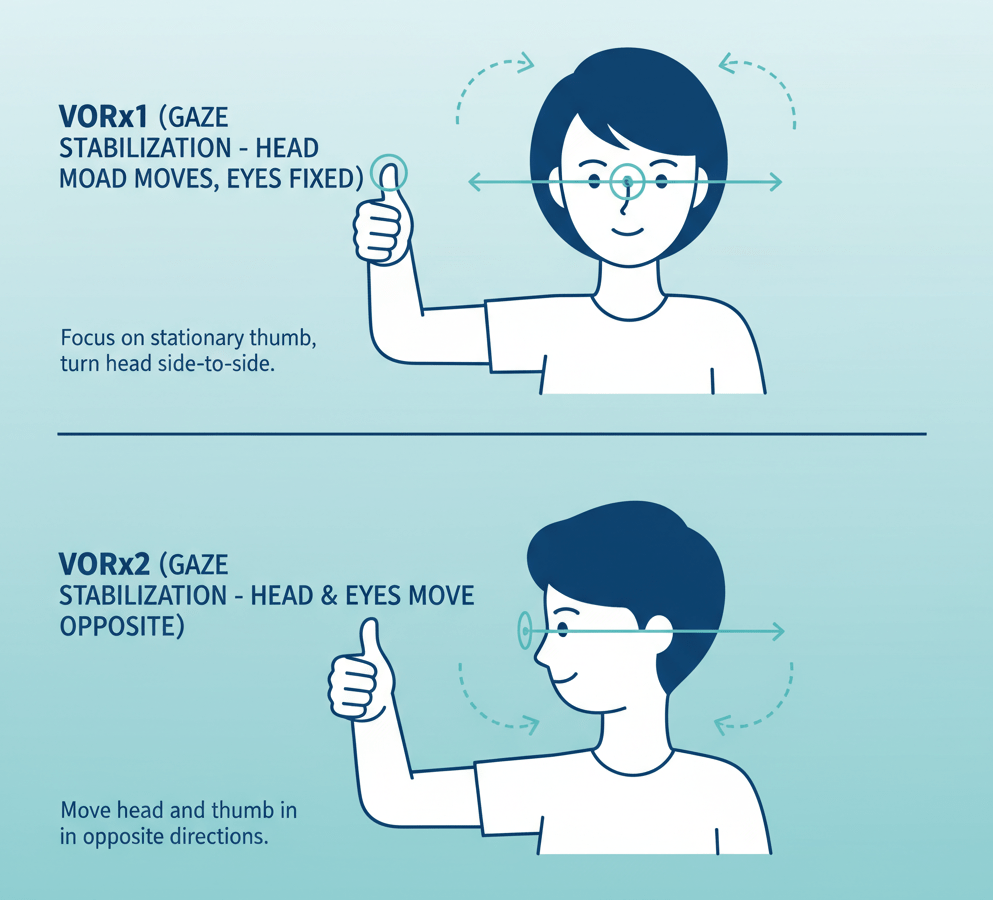
a) VOR x 1 (Head Moving, Target Stationary):
-Hold a small visual target (like your thumb or a letter on a card) at arm’s length.
-Keep your eyes focused on the target while slowly turning your head left and right, or up and down.
-Do this for 30 seconds to 1 minute, twice a day.
-Progression: Increase the speed of your head movement or move from a seated position to standing
b) VOR x 2 (Head and Target Moving):
-Hold the target and focus on it.
-Move your head and the target in opposite directions (e.g., turn head right while moving target left).
-Keep your eyes fixed on the target and maintain clear vision.
3. Balance Training / Substitution Exercises
These help your brain use other senses to compensate for vestibular loss. Always stand near a wall or corner for support.
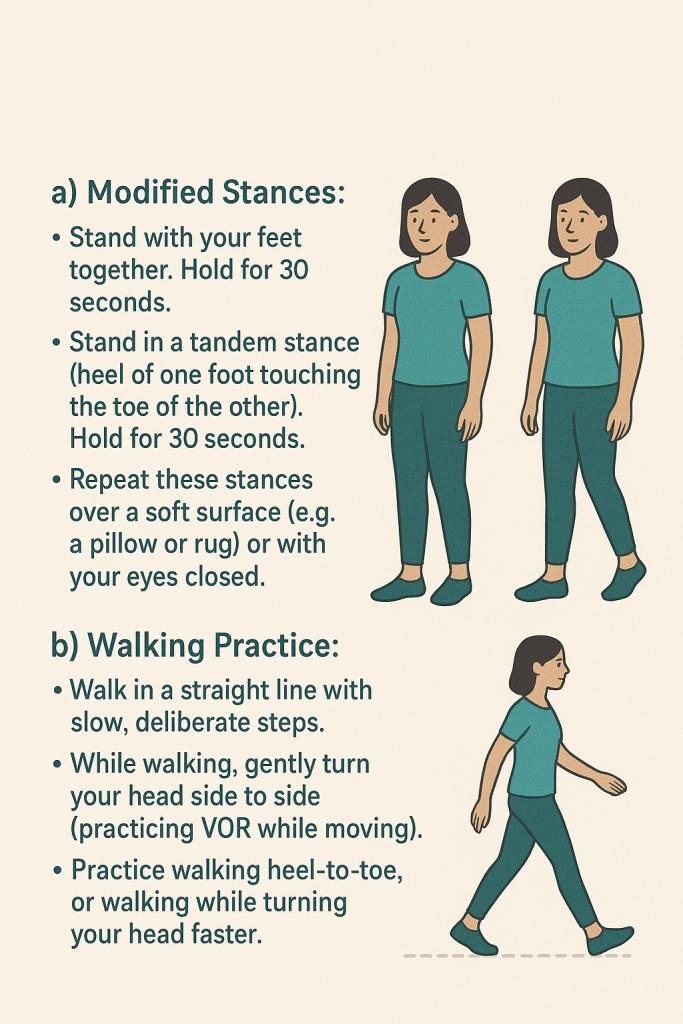
a) Modified Stances:
– Stand with your feet together. Hold for 30 seconds.
– Stand in a tandem stance (heel of one foot touching the toe of the other). Hold for 30 seconds.
– Progression: Repeat these stances on a soft surface (e.g., a pillow or rug) or with your eyes closed.
b) Walking Practice:
– Walk in a straight line with slow, deliberate steps.
– While walking, gently turn your head side to side (practicing VOR while moving).
– Progression: Practice walking heel-to-toe, or walking while turning your head faster.
💎 Special Consideration: BPPV (Benign Paroxysmal Positional Vertigo)
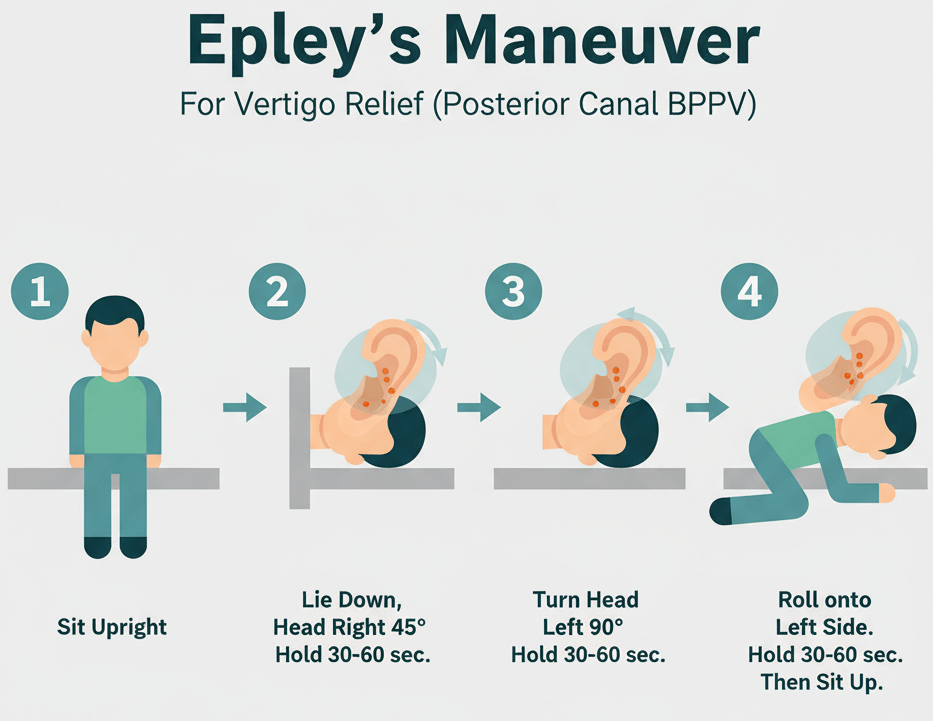
If your vertigo is specifically diagnosed as BPPV, it is caused by displaced inner-ear crystals. In this case, your physical therapist will likely teach you a Repositioning Maneuver (like the Home Epley Maneuver or Brandt-Daroff exercises), which you should perform at home exactly as demonstrated. These maneuvers are not the same as general VRT and are designed to physically move the crystals back into place.
📝 Important Tips for Success
* Consistency is Crucial: Vestibular adaptation is a learning process. Perform the exercises 2-3 times per day, every day, for the best results.
* Start Slowly and Be Patient: Your symptoms may temporarily worsen. This is a sign that your brain is being challenged. Only increase speed or difficulty once you feel comfortable with the current level.
* Prioritize Safety: Always have a sturdy support nearby (wall, chair, or handrail) or have a person stand with you, especially for standing exercises or when closing your eyes.
* Integrate into Daily Life: Actively seek out and tolerate everyday movements that cause mild dizziness (e.g., quickly turning your head, reaching into a low cabinet). This is the ultimate form of habituation.

Book your appointment via my website: http://www.drameenent.com








 Dr. Ameen, ENT Specialist in Kuala Lumpur
Leave a comment