


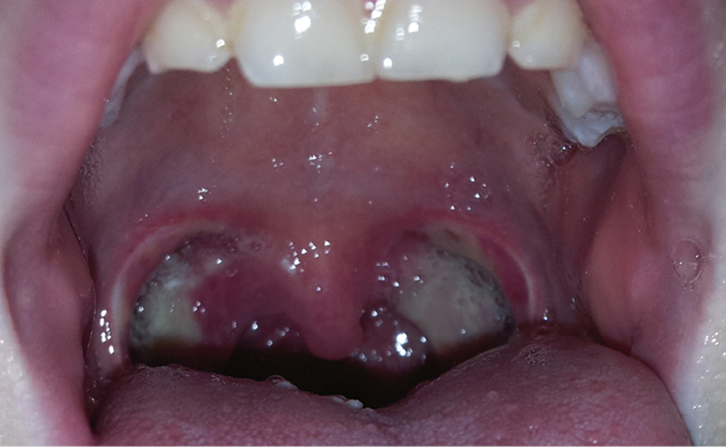

A tonsillectomy is a common surgical procedure, but it requires meticulous post-operative care to ensure proper healing, manage pain, and prevent complications. Recovery can be challenging, particularly for adults who often experience more significant pain.
The First 24 Hours: The Immediate Recovery Phase
· Airway and Observation: Patients will be monitored in a recovery area until fully awake. Snoring or noisy breathing is common due to swelling.
· Pain Management: The anesthetic will wear off, and pain will begin. It is crucial to stay ahead of the pain with scheduled medication.
· Nausea and Vomiting: This is common due to anesthesia and swallowed blood. Anti-nausea medication can be administered.
· Diet: Clear, cool liquids are encouraged as soon as the patient can swallow. Avoid red-colored liquids as they can mask the appearance of blood if vomiting occurs.
Pain Management: The Cornerstone of Recovery
Paediatric Patients:
1. Scheduled Paracetamol and Ibuprofen: This is the first-line regimen for most children.
· Ibuprofen does not increase the risk of post-tonsillectomy hemorrhage. The combination of paracetamol and ibuprofen (alternating or scheduled) provides excellent analgesia with a reduced need for opioids.
· Dosing: Must be weight-based and given around the clock for the first 3-5 days, not just “as needed.”
2. Opioids (e.g., Codeine, Hydrocodone): Use with extreme caution.
· Warning: Codeine has risk of ultra-rapid metabolism leading to fatal respiratory depression. Opioids are generally avoided or used only in specific, monitored circumstances under strict physician guidance.
Adult Patients
1. Multimodal Analgesia: Adults typically experience more severe pain.
· Acetaminophen and NSAIDs (Ibuprofen, Naproxen): Used as a baseline, similar to paediatric care.
· Opioids: Often necessary for breakthrough pain in the first 5-7 days (e.g., oxycodone, hydrocodone). These must be used precisely as prescribed due to risks of sedation, constipation, and dependence.
2. Pain Pattern: Pain often increases around days 3-5 and may have a second peak around days 7-10 when the scabs fall off. Patients should be prepared for this.
Hydration and Diet: “Push Fluids, Soft Foods”
Dehydration is the most common reason for hospital readmission. The goal is to maintain hydration to aid healing and thin secretions.
· Fluids: Encourage small, frequent sips of cool fluids. Goal: 1-1.5 litres per day for children, more for adults.
· Good Choices: Water, diluted apple/white grape juice, ice pops, Pedialyte.
· Avoid: Citrus juices (orange, lemonade), acidic drinks, and carbonated beverages (can cause stinging).

· Diet: A soft, bland diet is best. The mantra is: “If it can be eaten with a spoon, it’s probably okay.”
· Good Choices: Applesauce, broth, mashed potatoes, yogurt, pudding, scrambled eggs, smoothies (no seeds), well-cooked pasta.
· Avoid: Hard, crunchy, or spicy foods (chips, crackers, popcorn, toast) for at least two weeks. These can scrape the healing tissue and cause bleeding.
Activity and Rest
· Rest: Ample rest is crucial for the first week. Patients should avoid strenuous activity, heavy lifting, and vigorous exercise for at least two weeks to prevent bleeding.
· School/Work: Children should typically stay home from school for at least one full week. Adults may need 1-2 weeks off work, depending on their pain levels and job demands.
· Positioning: Sleeping with the head elevated on 2-3 pillows can reduce swelling and pain.
What to Expect: Normal vs. Warning Signs
Normal Post-Operative Symptoms:
· Sore Throat & Ear Pain: Referred ear pain (otalgia) is very common and does not indicate an ear infection.
· Fever: A low-grade fever (<38.5°C or 101.3°F) is common in the first 24-48 hours.
· Bad Breath & White Scabs: The surgical site will form white or yellowish scabs. This is normal healing tissue, not pus. It causes significant bad breath, which will resolve once the scabs fall off.
· Voice Changes: A “muffled” or “hot potato” voice is common due to swelling.
Red Flags: Require Immediate Medical Attention🔥🔥🔥
· Bleeding: Any sign of fresh, red blood from the mouth or nose. This can range from a few streaks in saliva to active bleeding. This is a medical emergency. Seek immediate care.
· Persistent Fever: A fever higher than 38.9°C (102°F) or any fever that persists beyond 48 hours.
· Dehydration:
· In children: Fewer than 2-3 wet diapers/voids per day, no tears when crying, sunken eyes, listlessness, dry mouth.
· In adults: Dark urine, dizziness, extreme fatigue.
· Uncontrolled Pain: Pain that is not relieved by prescribed medication.
· Difficulty Breathing: Any signs of respiratory distress.
*Special Considerations
For Paediatric Patients:
· Behavioral Changes: Children may be irritable, have sleep disturbances, or experience nighttime fears. Patience and comfort are key.
· Hydration Challenge: Use creative methods like timer-assisted sipping, fun straws, and favorite ice pops.
· Pain Communication: Look for non-verbal cues like refusing to drink, fussiness, or holding the neck/ears.
For Adult Patients:
· Longer Recovery: Adults have more scar tissue and generally experience a more painful and prolonged recovery than children.
· Pain Peak: The peak of pain around days 7-10 can be severe and should be anticipated with medication on hand.
· Opioid Side Effects: Be proactive in managing constipation with stool softeners and maintaining hydration.
Do’s Don’ts
✅ Take pain medicine on a schedule for the first 3-5 days.
❌ Do not take aspirin or NSAIDs (if contraindicated) due to bleeding risk (follow surgeon’s advice).
✅ Drink cool fluids constantly to stay hydrated.
❌ Avoid hard, crunchy, or spicy foods for 2 weeks.
✅ Eat soft, bland foods to encourage swallowing and healing.
❌ No strenuous activity or heavy lifting for 2 weeks.
✅ Get plenty of rest.
❌ Do not ignore signs of bleeding – seek immediate help.
✅ Use a humidifier in the bedroom, especially at night.
❌ Avoid smoking and secondhand smoke, as it irritates the throat and delays healing.
✅ Practice good oral hygiene with gentle brushing; avoid gargling vigorously.









 Dr. Ameen, ENT Specialist in Kuala Lumpur
Leave a comment