



“Routinely sleeping less than six or seven hours a night demolishes your immune system, more than doubling your risk of cancer. Insufficient sleep is a key lifestyle factor determining whether or not you’ll develop Alzheimer’s disease.”
Dr. Matthew Walker, author of “Why We Sleep: Unlocking the Power of Sleep and Dreams.”
“Sleep is the single most effective thing you can do to reset your brain and body.”
Simple tips for optimal sleep hygiene

Getting “good sleep hygiene” is about creating consistent routines and environments that signal to your body and brain that it is time to rest. Here are key expert recommendations:
1. Maintain Strict Consistency
- Set a Fixed Schedule: Go to bed and wake up at the exact same time every day, including weekends. This is the single most important action to regulate your circadian rhythm (your internal clock).
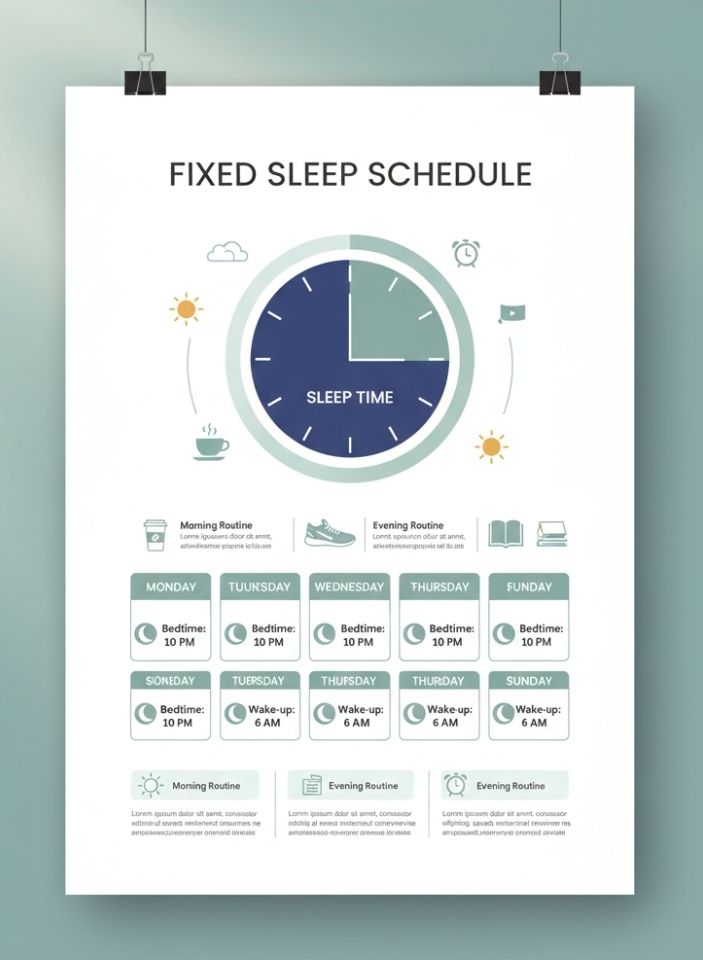
- Prioritize Sleep: Calculate your ideal bedtime by counting back 7 to 9 hours from your fixed wake-up time, and treat that bedtime as non-negotiable.
2. Master Your Environment
- Keep it Cool, Dark, and Quiet: The ideal temperature for sleep is generally cooler. Use blackout curtains or an eye mask, and earplugs or a white noise machine if needed.
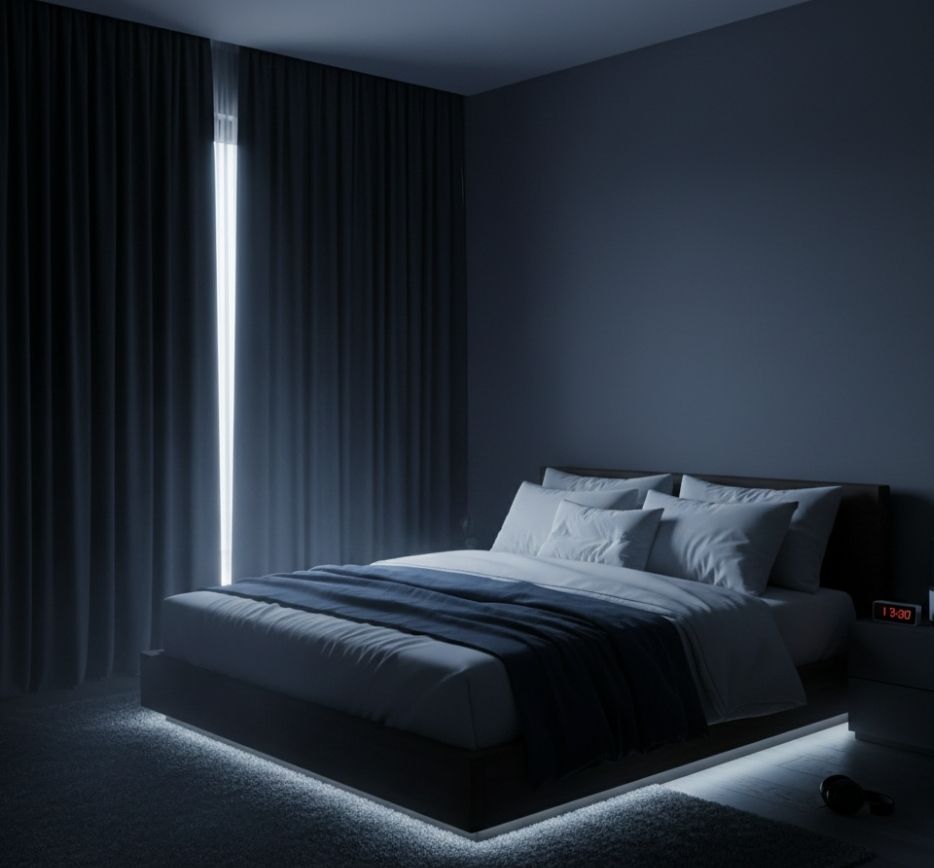
- Reserve the Bed for Sleep and Sex: Avoid working, eating, or watching TV in bed so your brain only associates your mattress with rest.
- If You Can’t Sleep, Get Up: If you are unable to fall asleep after 20 minutes, get out of bed and do a relaxing activity (like reading a physical book in dim light) in another room until you feel sleepy, then return to bed. Avoid “tossing and turning.”

3. Establish a Wind-Down Routine
- The “Electronic Sundown”: Turn off all electronic devices (phones, tablets, TVs) at least 60 minutes before bedtime. The blue light from screens suppresses your body’s production of melatonin, the sleep hormone.

- Relaxation Ritual: Use the hour before bed for calming activities like reading a book, taking a warm bath or shower (the cooling afterward aids sleep), light stretching, or listening to soothing music/podcasts.

4. Mind Your Diet and Stimulants
- Cut Off Caffeine: Avoid caffeine (coffee, tea, soda, chocolate) at least 6 to 8 hours before your scheduled bedtime, as its effects last for many hours.
- Limit Alcohol (for non-muslim): While alcohol may make you feel drowsy, it fragments your sleep later in the night. Avoid it in the 3 hours before bed.
- No Heavy Meals: Avoid large, fatty, or spicy meals close to bedtime, but don’t go to bed hungry either—a light, healthy snack is generally fine.










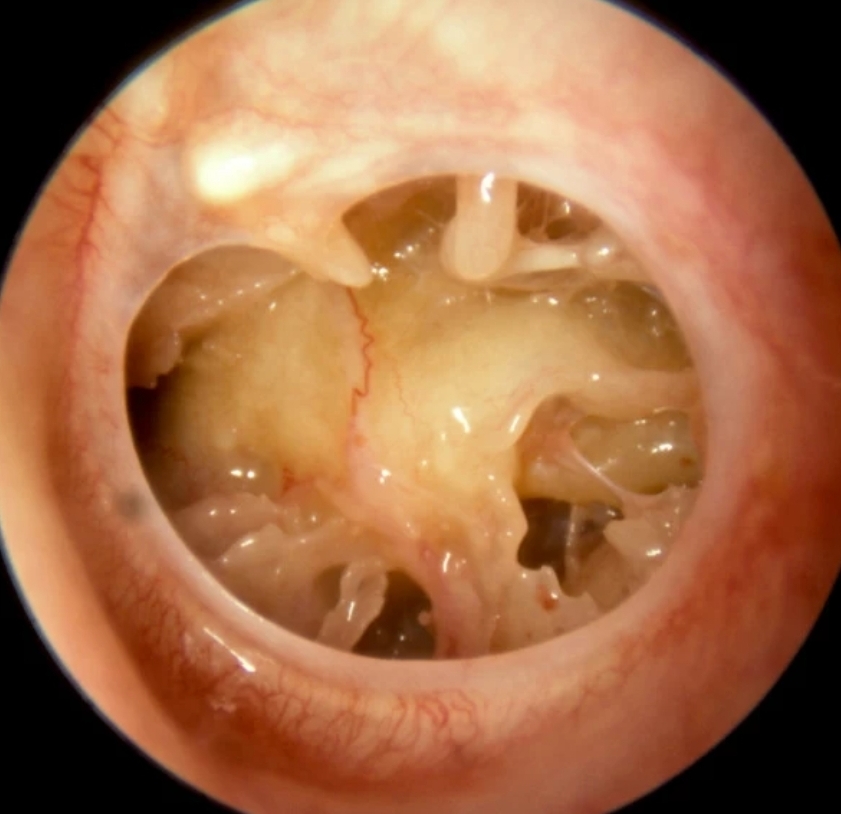

 Dr. Ameen, ENT Specialist in Kuala Lumpur
Leave a comment