


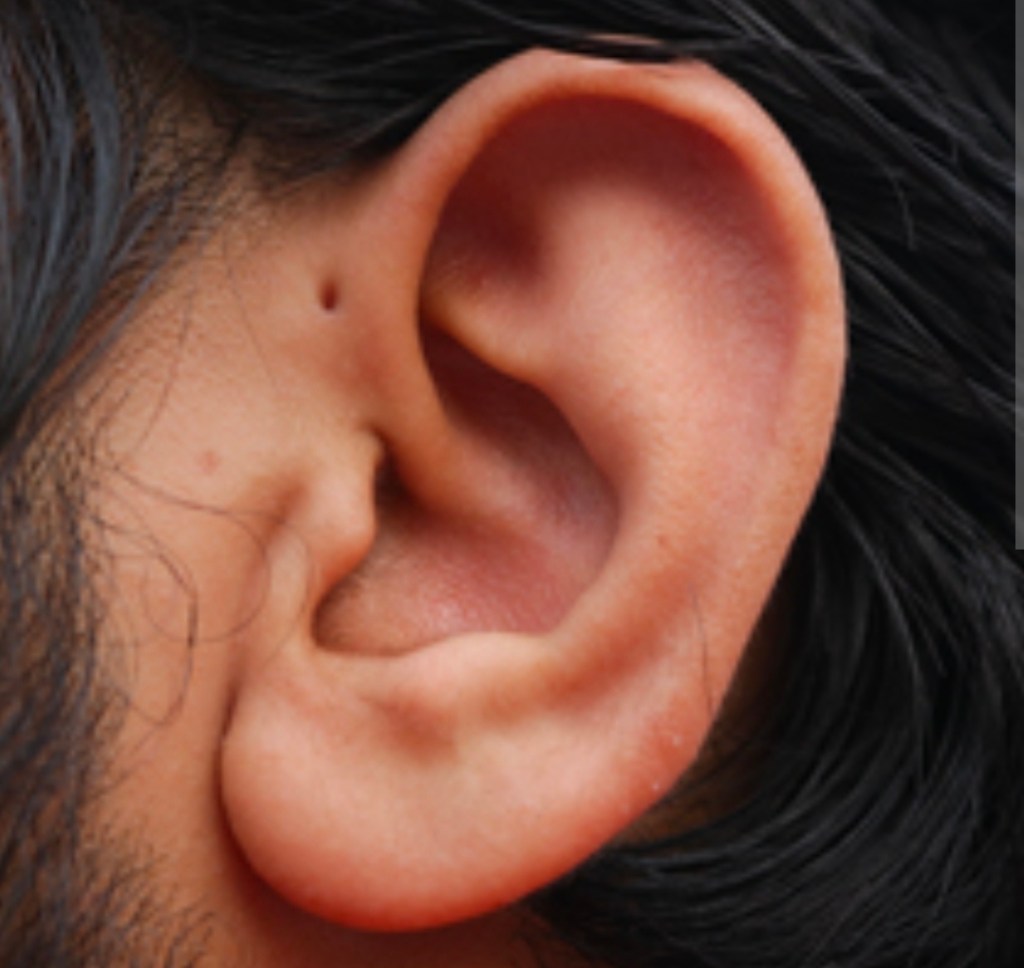
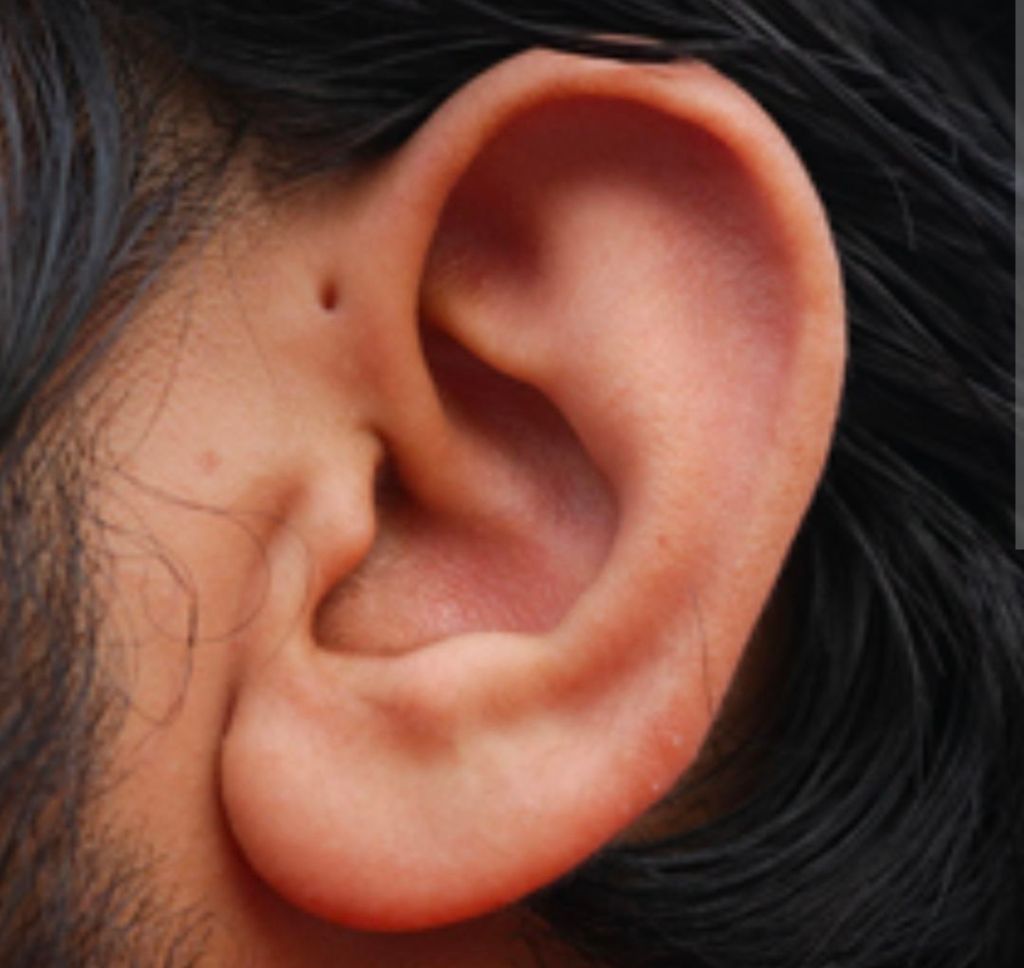
Have you or your child ever had a small, unique hole in front of the ear? Many people might not know what it is or why it’s there. It’s called a Pre-auricular Sinus! Let’s explore this condition in more detail.
What is a Pre-auricular Sinus?
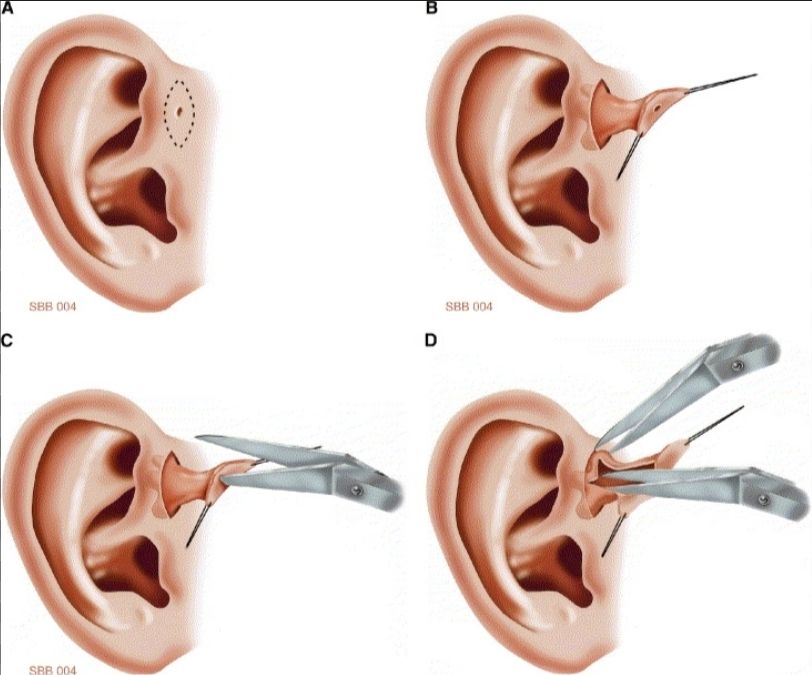
The pre-auricular sinus is a common congenital anomaly (a birth defect). It appears as a small hole or dimple on the outer part of the ear, usually near the base of the helix or close to the tragus. It is a narrow tract that didn’t fully develop during the fetal stage, which was supposed to become part of the outer ear. Generally, it is harmless, but it can cause problems if it becomes infected.

Symptoms and Signs: When to Worry?
The majority of pre-auricular sinuses do not cause any issues. However, if it gets infected, you might observe the following signs:
- Redness and swelling around the hole.
- Pain or discomfort.
- Discharge of pus or foul-smelling fluid.
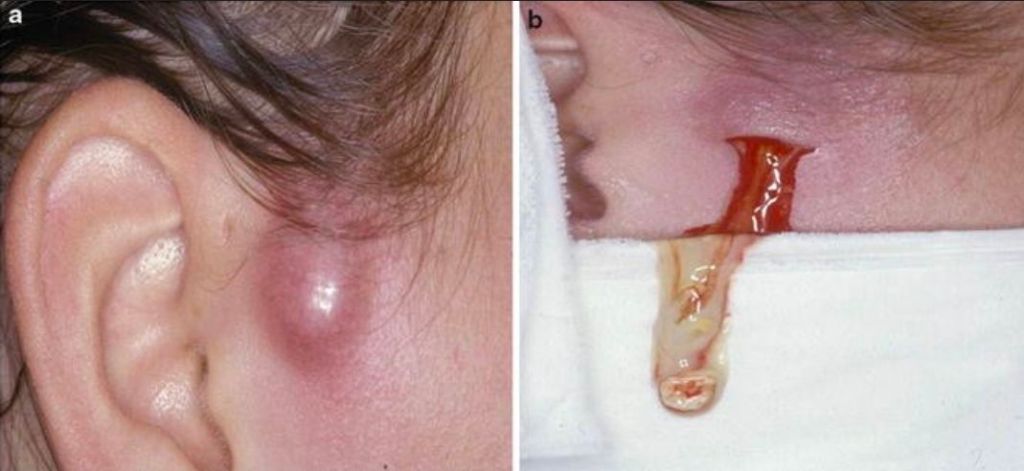
- Formation of a painful abscess (a pocket of pus).
- In severe cases, it can lead to a fever.
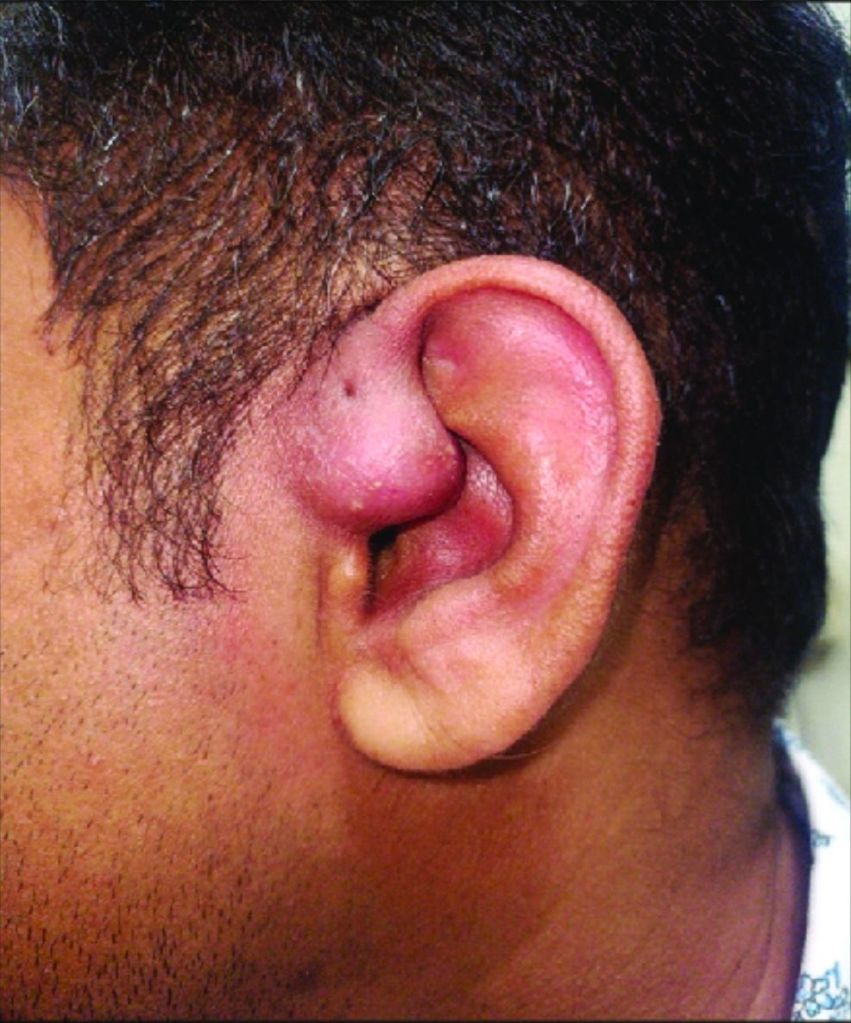
If you experience any of these symptoms, seek medical attention immediately!
Risk Factors: Who is Vulnerable?
The pre-auricular sinus is congenital, meaning it is present from birth. The primary risk factor is genetic. If one parent has it, there is a higher chance the child will also have it. It can occur in one or both ears, although it is more common on a single ear. There are no other preventable risk factors since it is part of fetal development.

Investigations and Diagnosis: How Do Doctors Know?
The diagnosis of a pre-auricular sinus is usually made through a physical examination by a doctor. The small hole itself is often sufficient for diagnosis. If an infection is present, the doctor will check for signs of redness, swelling, and pus discharge. In rare cases of recurrent or more serious infections, imaging tests like an ultrasound or CT scan might be needed to determine the extent of the sinus tract and if there is a deep abscess.
Treatment: When is Medical Intervention or Surgery Needed?
- Medical Treatment (For Infection): If the sinus is infected, the initial treatment involves antibiotics to control the infection. The doctor may also need to drain the pus if an abscess is present.

- Surgical Treatment (For Recurrent Infection): Surgery is the main option for those who suffer from repeated infections or continuous problems. This procedure is known as sinus tract excision or fistulectomy, where the entire sinus tract, including all its branches, is removed to prevent future infections. This is a relatively simple and safe procedure, usually performed under local or general anesthesia.
Home Prevention: Maintain Hygiene!
While you cannot prevent the formation of the pre-auricular sinus since it is congenital, you can take steps to reduce the risk of infection:
- Maintain cleanliness: Wash the area around the sinus with soap and water during bathing.
- Do not squeeze or poke: Elakkan memicit atau cuba mengeluarkan apa-apa dari lubang sinus. This can cause irritation and lead to infection.
- Observe the signs: If you notice redness, swelling, or pain, seek medical advice promptly.
With proper care, most individuals with a pre-auricular sinus can live without issues!











 Dr. Ameen, ENT Specialist in Kuala Lumpur
Leave a comment