



Laryngopharyngeal Reflux (LPR), often called “Silent Reflux,” is a common yet frequently missed condition. Unlike typical heartburn, LPR involves the backward flow of stomach contents (acid and digestive enzymes) all the way up into your throat (pharynx) and voice box (larynx).
🔍 What is Silent Reflux (LPR)?
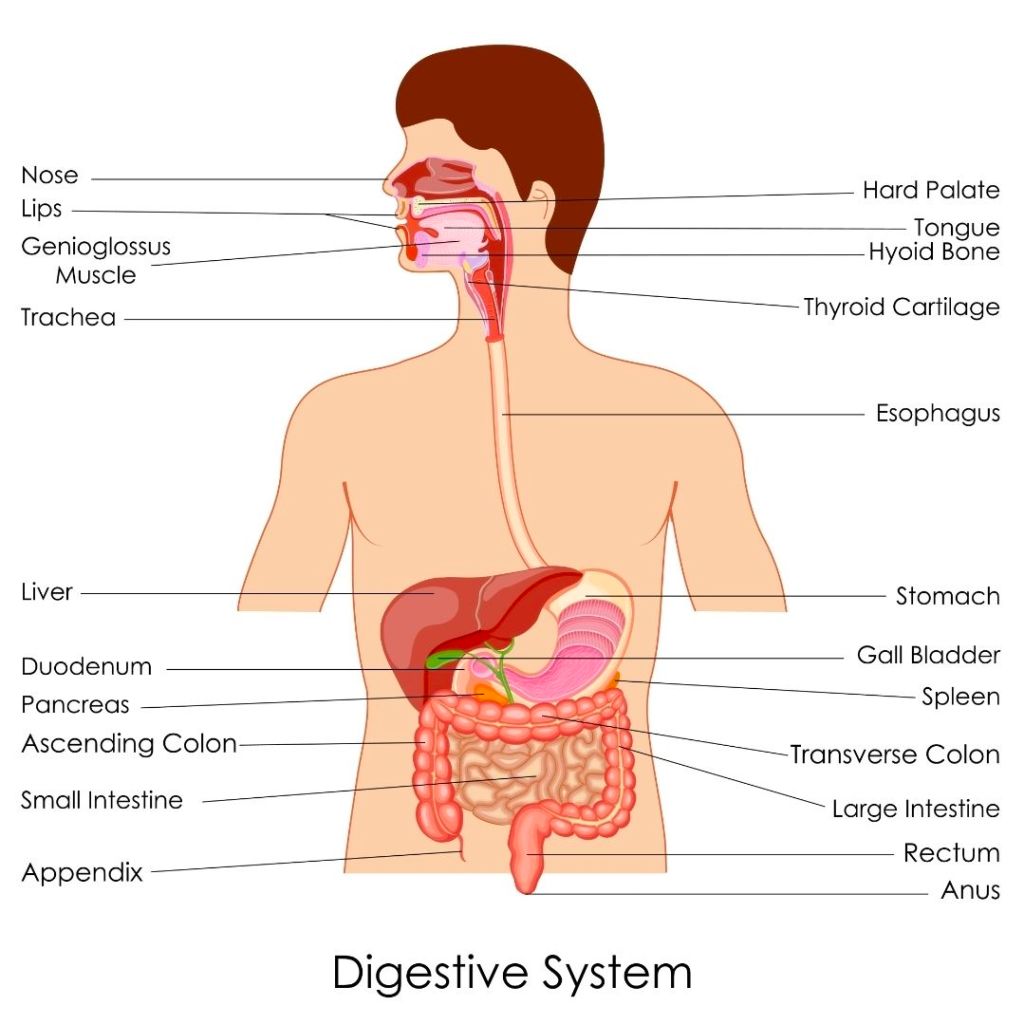
LPR happens when the protective muscular valves, specifically the Upper Esophageal Sphincter (UES) and the Lower Esophageal Sphincter (LES), don’t close tightly enough.
While the stomach lining is protected, the delicate tissues of the throat and voice box are extremely sensitive to even small amounts of stomach acid or pepsin (an enzyme). This irritation leads to chronic inflammation and a variety of symptoms, often without the classic burning sensation of heartburn.
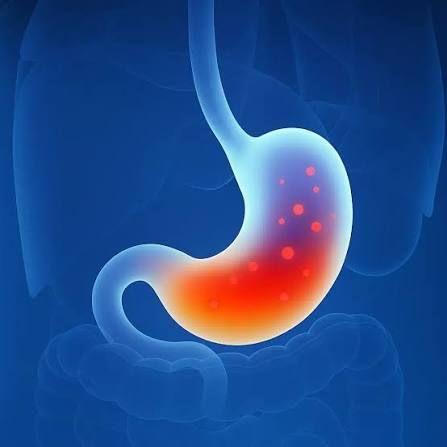
🗣️ Common Symptoms You Should Know
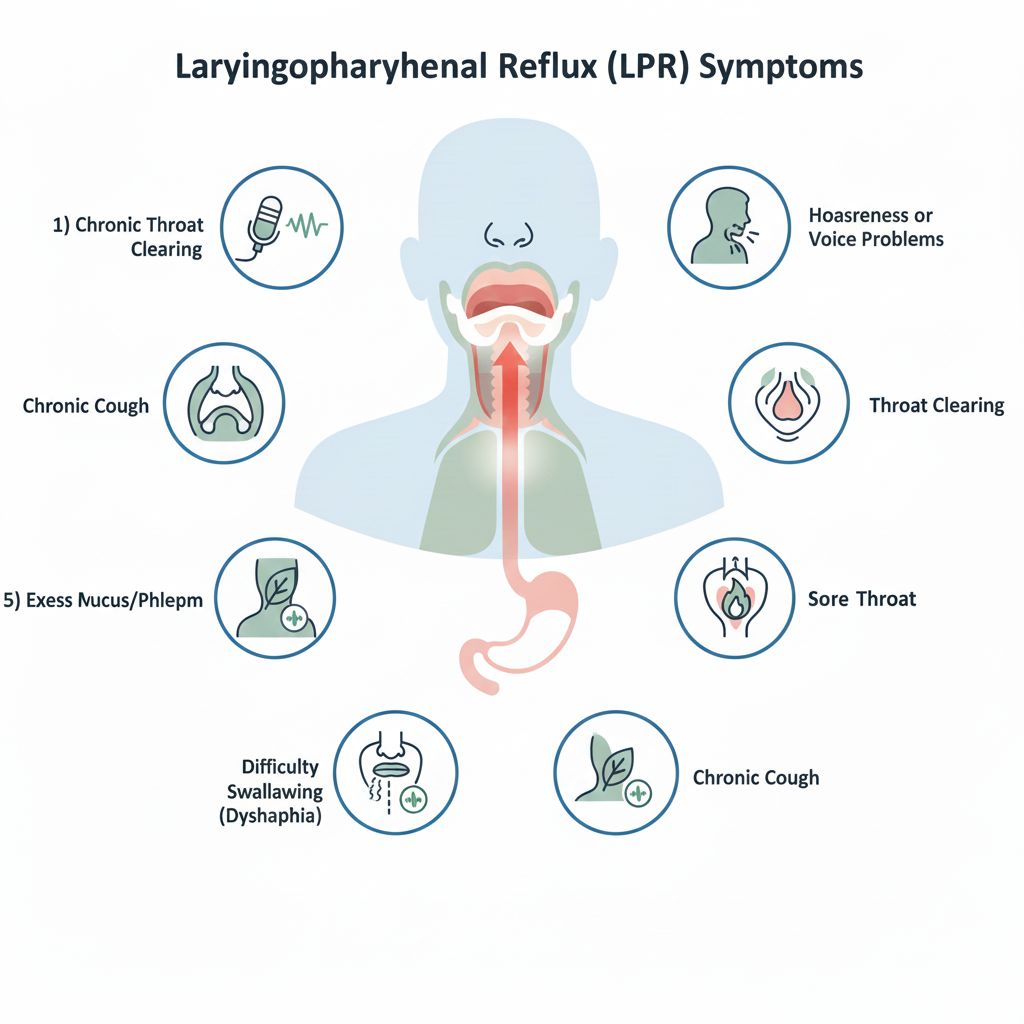
Because LPR often lacks the chest pain associated with GERD (Gastroesophageal Reflux Disease), the symptoms are usually concentrated in the throat and voice area. The most common signs are:
1) Chronic Throat Clearing: A persistent, annoying urge to clear your throat.
2) Hoarseness or Voice Problems: A rough, weak, or tired voice, especially in the morning.
3) Globus Sensation: The feeling of a lump or something stuck in your throat that you can’t swallow away.
4) Chronic Cough: A dry, persistent cough, often worse at night or after eating.
5) Excess Mucus/Phlegm: A sensation of thick mucus in the throat or postnasal drip.
6) Difficulty Swallowing (Dysphagia): Trouble with solids, liquids, or pills.
If you have these symptoms, especially hoarseness and throat clearing, LPR could be the underlying cause.
🩺 How is LPR Investigated?

Diagnosis typically starts with a thorough review of your symptoms, often using the Reflux Symptom Index (RSI) questionnaire.
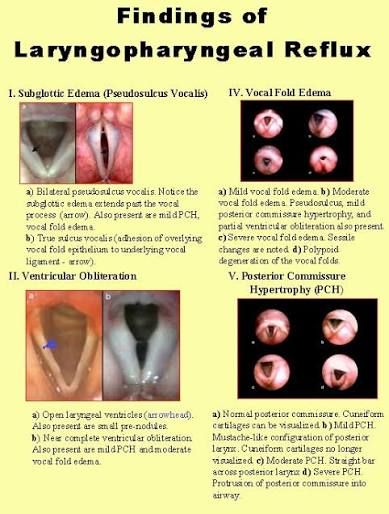
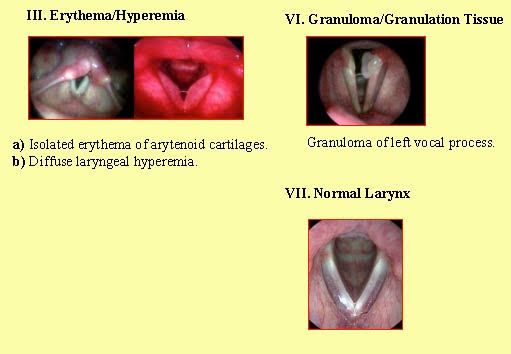
1) Flexible Endoscopy (Laryngoscopy): Your ENT specialist can pass a small, flexible tube through your nose to examine your voice box and throat. Signs of LPR include redness, swelling, and irritation of the vocal cords and the tissue behind them.
2) Specialized pH/Impedance Monitoring: In certain cases, more advanced tests are needed. A small catheter is temporarily placed into the esophagus and pharynx to directly measure the number of reflux episodes (acidic and non-acidic) that reach the throat over a 24-hour period.
🍏 Effective Treatment Strategies
Treatment focuses on reducing stomach acid production and preventing the reflux. This is a multi-step process that often requires commitment:
1) Lifestyle and Diet Modifications (The Foundation):
– Avoid Trigger Foods: Limit or eliminate highly acidic foods (citrus, tomatoes), caffeine, chocolate, spicy foods, mint, and high-fat meals.
– Timing is Key: Stop eating at least 3 hours before bedtime.
– Position: Elevate the head of your bed by 4 to 6 inches (using blocks under the bedposts, not just extra pillows).
– Quit Smoking and Limit Alcohol.


2) Medication:
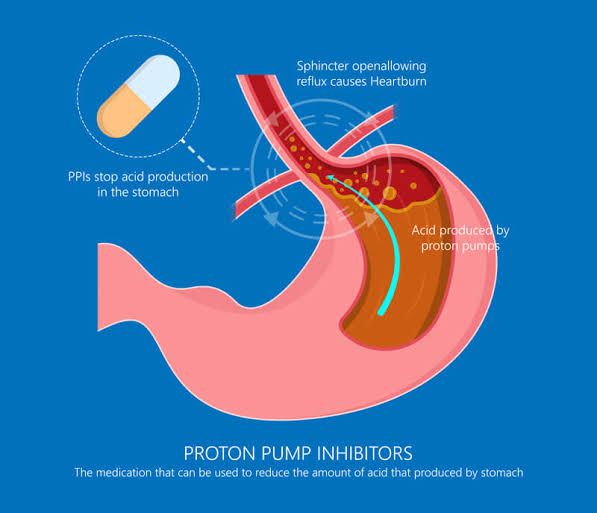
– Proton Pump Inhibitors (PPIs): These are the most common medication, taken daily to block acid production in the stomach. They often need to be taken for several months to allow the throat to heal fully.
– H2 Blockers or Alginates may also be used, sometimes in addition to PPIs.
Remember: Consistent treatment, especially with diet and lifestyle changes, is crucial for long-term relief from silent reflux. Consult your ENT specialist for a personalized treatment plan













 Dr. Ameen, ENT Specialist in Kuala Lumpur
Leave a comment