


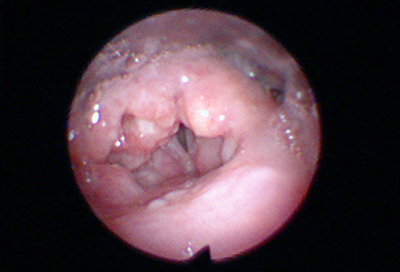
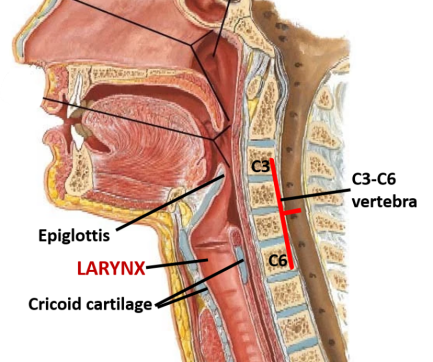
Laryngeal cancer is a type of cancer that develops in the larynx, commonly known as the voice box. The larynx is a crucial organ located in the neck, playing a vital role in breathing, swallowing, and voice production.
Understanding this condition is the first step towards early detection and effective treatment.
🔍 What is Laryngeal Cancer?
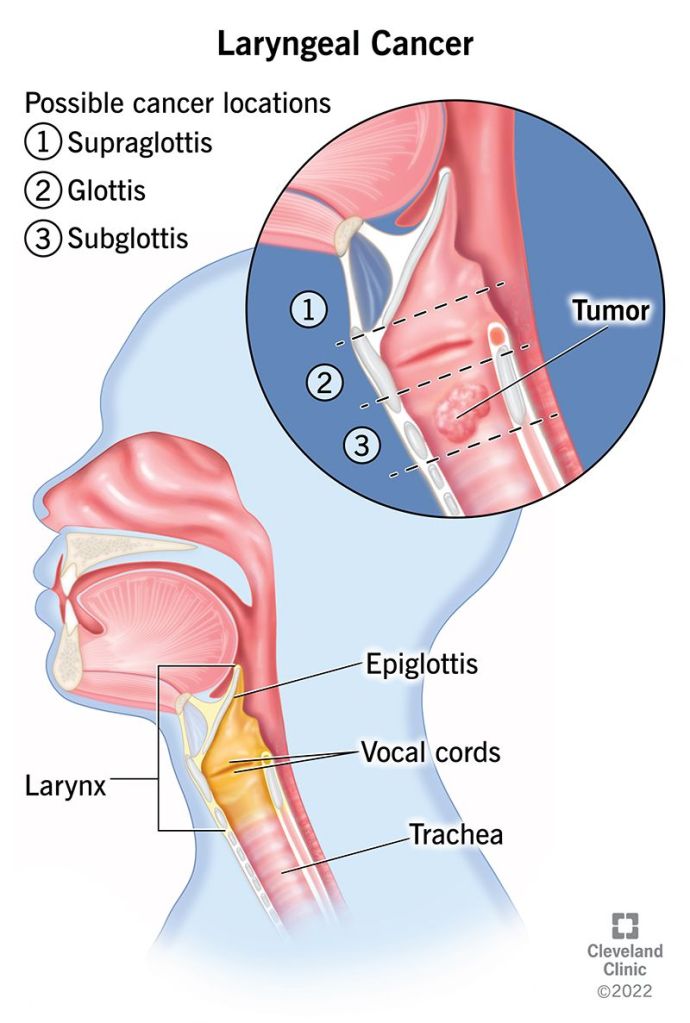
Laryngeal cancer occurs when cells in the larynx grow abnormally and uncontrollably, forming a tumor. Most laryngeal cancers are squamous cell carcinomas, meaning they start in the flat cells lining the larynx.
This cancer can affect different parts of the larynx, including the:
1) vocal cords (glottic cancer)
2) the area above the vocal cords (supraglottic cancer)
3) the area below the vocal cords (subglottic cancer).
Early detection is key, as cancer confined to the vocal cords often has a better prognosis due to early voice changes.
🗣️ Common Symptoms You Shouldn’t Ignore
The symptoms of laryngeal cancer often depend on the location and size of the tumor. It’s vital to seek medical attention if these symptoms persist for more than a few weeks:
– Persistent Hoarseness or Voice Changes: This is the most common symptom, especially if the cancer affects the vocal cords. Your voice might become raspy, weaker, or you might notice a change in pitch.
– Stridor: A high-pitched, harsh, or grating sound that occurs during breathing. This is a serious sign that the airway is partially blocked by the tumor and requires urgent medical attention.
– Difficulty Swallowing (Dysphagia): Pain or a sensation of food getting stuck in your throat when swallowing.
– Lump in the Neck: A noticeable lump or swelling in the neck area.
– Persistent Cough: A chronic cough, sometimes with blood.
– Difficulty Breathing (Dyspnea): Shortness of breath, especially if the tumor obstructs the airway.
– Ear Pain: Pain that radiates to the ear, particularly on one side.
– Unexplained Weight Loss: Significant weight loss without trying.

🩺 How is Laryngeal Cancer Diagnosed?

The diagnostic process for laryngeal cancer typically involves several steps to confirm the presence of cancer and determine its extent:
* Flexible Endoscopy (Laryngoscopy): An ENT specialist uses a thin, flexible tube with a camera to visualize the larynx and identify any suspicious areas.

* Biopsy: If an abnormal area is found, a small tissue sample is taken and examined under a microscope by a pathologist to confirm the presence of cancer cells. This is the definitive diagnostic test.
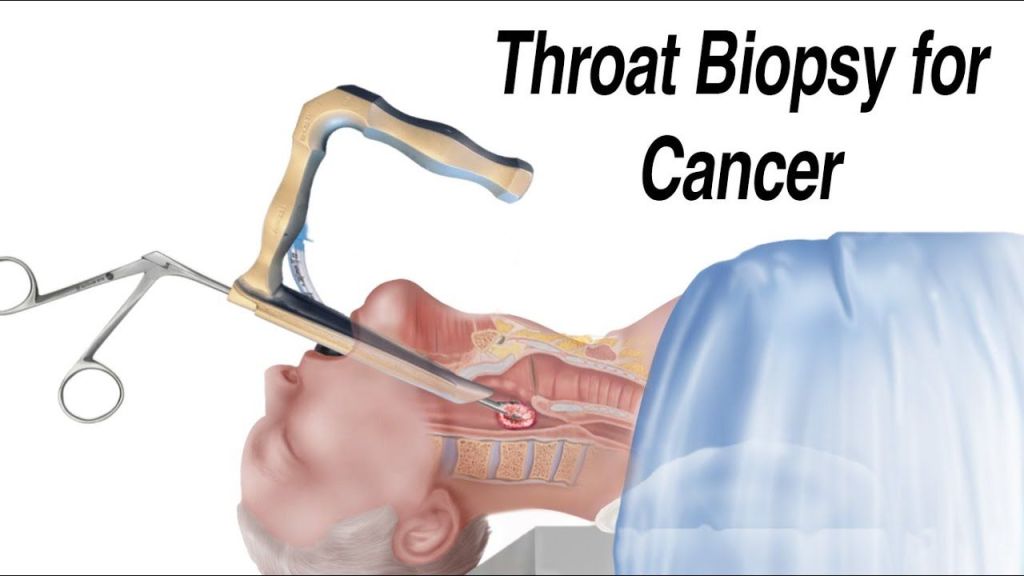
Biopsy is done under general anaesthesia
* Imaging Tests:
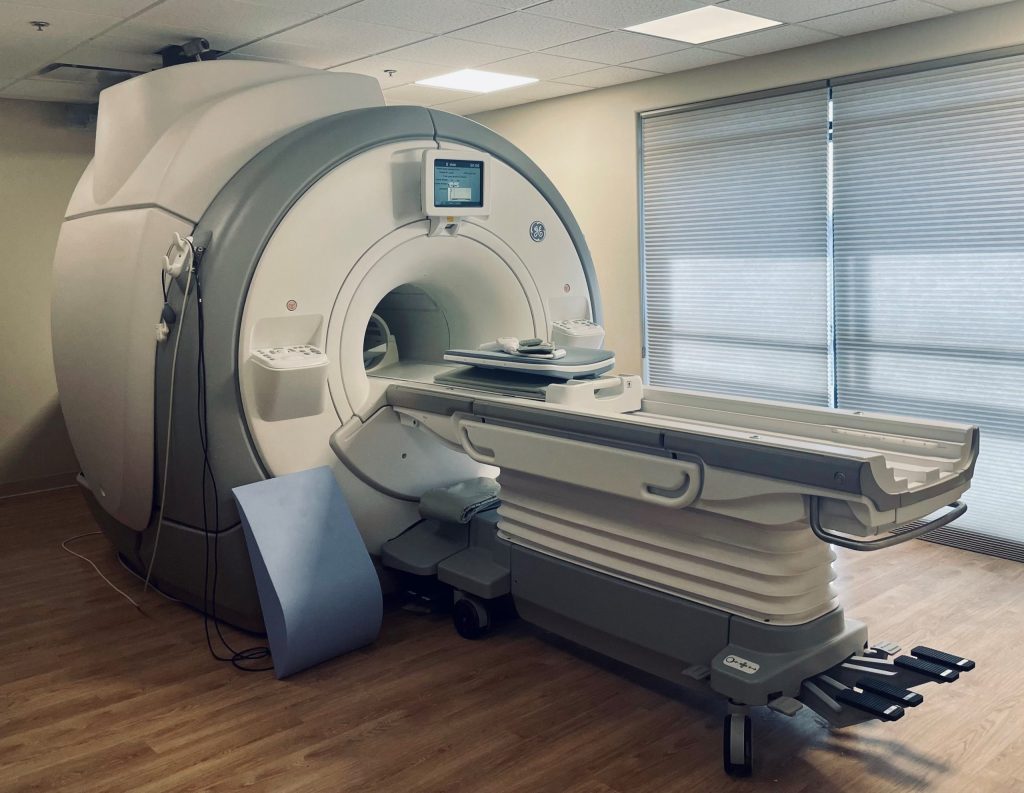
– CT Scan (Computed Tomography) / MRI (Magnetic Resonance Imaging): These scans provide detailed images of the larynx and neck to assess the tumor’s size, exact location, and whether it has spread to nearby lymph nodes or other structures.
– PET Scan (Positron Emission Tomography): This scan can help detect if the cancer has spread to distant parts of the body.
🍏 Effective Treatment Options

Treatment for laryngeal cancer is highly individualized, depending on the stage of the cancer, its location, the patient’s overall health, and personal preferences. The primary treatment modalities include:
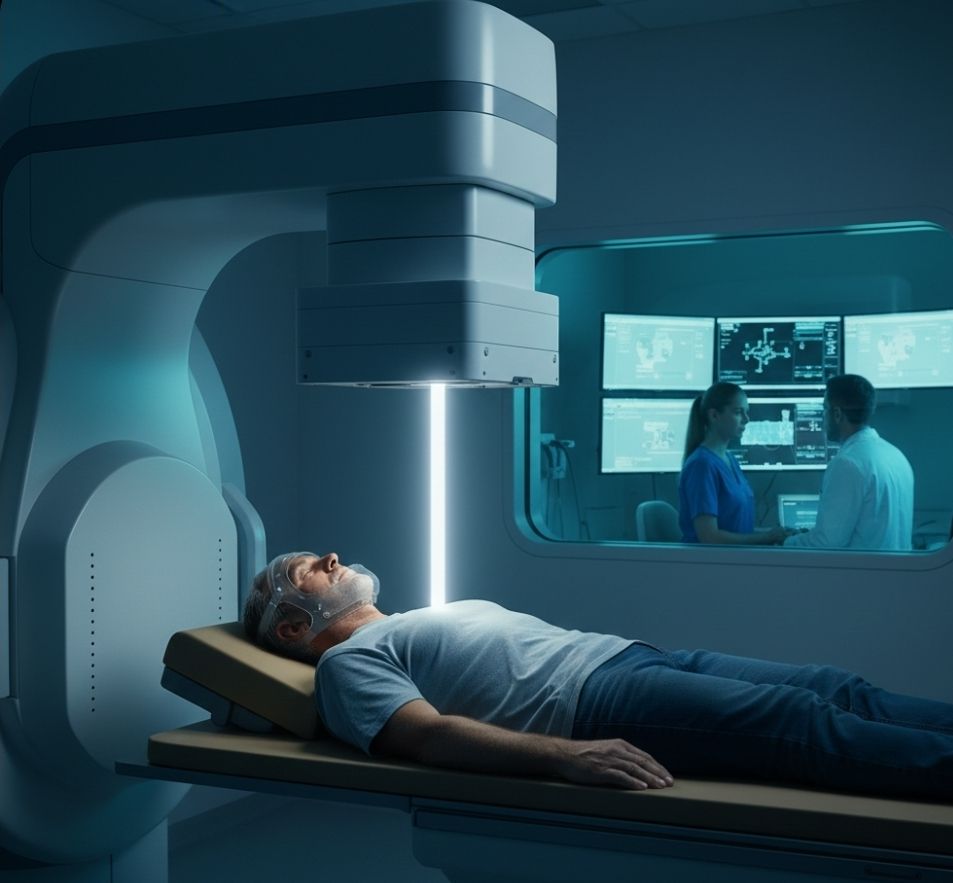
1) Radiation Therapy: This uses high-energy beams to destroy cancer cells. For early-stage laryngeal cancer (T1 tumour stage), radiation therapy can often preserve the patient’s voice while effectively treating the tumor. It can also be used after surgery to kill any remaining cancer cells or to relieve symptoms in advanced cases.
2) Surgery: The surgical approach varies depending on the size and location of the tumor.
* Endoscopic Surgery (Laser): For very early-stage cancers (T1 tumour stage), surgery can be performed through an endoscope to remove the tumor, often preserving the larynx.
* Partial Laryngectomy: If the cancer is larger but still confined to a portion of the larynx, part of the voice box may be removed, with efforts made to preserve voice function.
* Total Laryngectomy: For more advanced cancers (T3 high volume tumour stage), the entire larynx may need to be removed. This results in the loss of natural voice, requiring alternative methods of speech, such as a tracheoesophageal puncture (TEP) voice prosthesis or esophageal speech.

3) Chemotherapy: Medications are used to kill cancer cells throughout the body. Chemotherapy is often used in combination with radiation therapy (chemoradiation) for more advanced cancers or as a systemic treatment if the cancer has spread (metastasis).
4) Targeted Therapy: These drugs focus on specific abnormalities within cancer cells, aiming to stop their growth and spread while minimizing harm to healthy cells.
5) Immunotherapy: This treatment helps your body’s immune system fight cancer. It works by boosting the immune response against cancer cells.
A multidisciplinary team, including an ENT surgeon, radiation oncologist, medical oncologist, and speech therapist, will work together to create the most appropriate treatment plan for each patient.













 Dr. Ameen, ENT Specialist in Kuala Lumpur
Leave a comment