


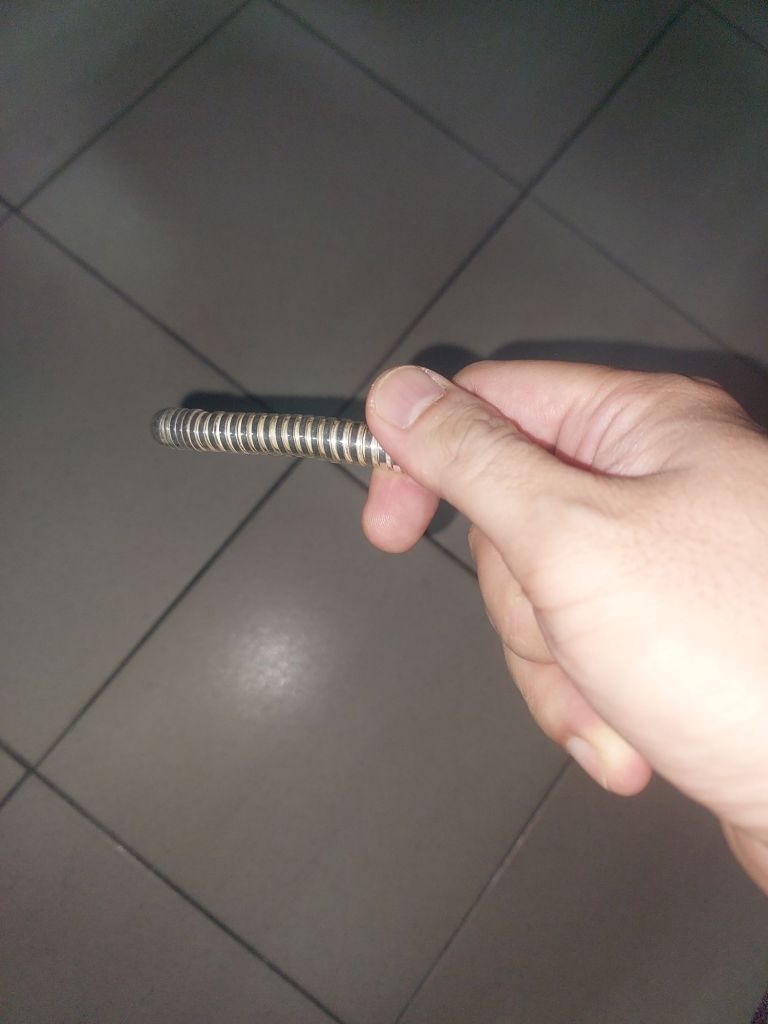
NOPE!
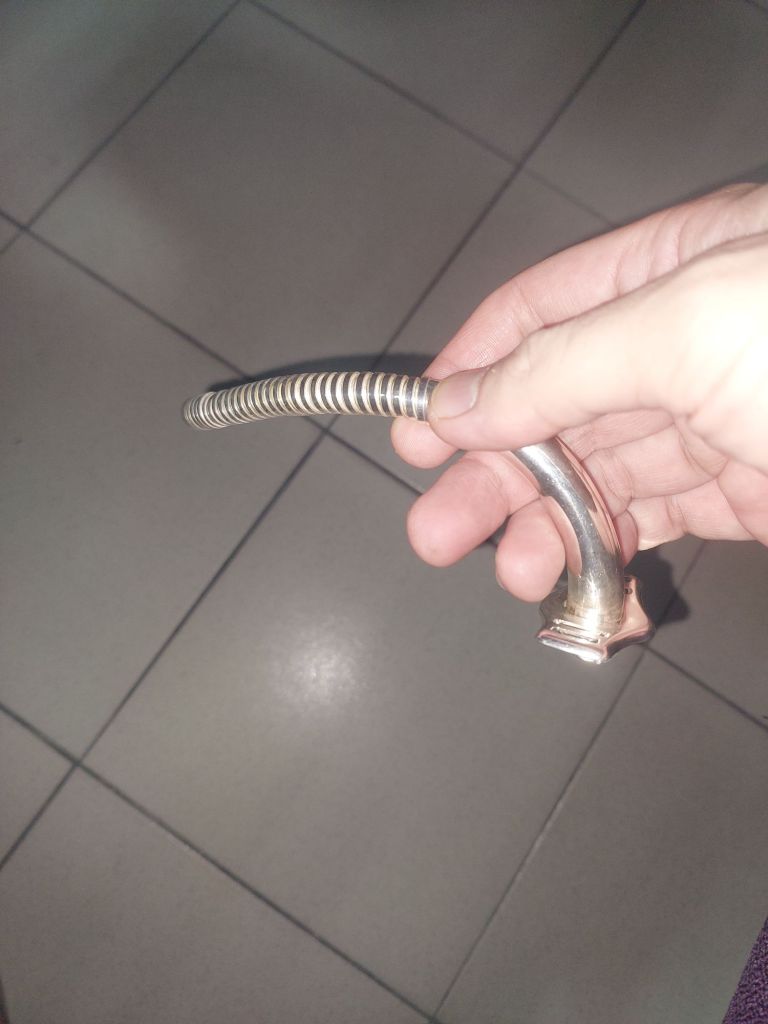
The steel or metal tracheostomy tube (double-lumen design) like the Jackson tube, has unique characteristics compared to modern plastic tubes.
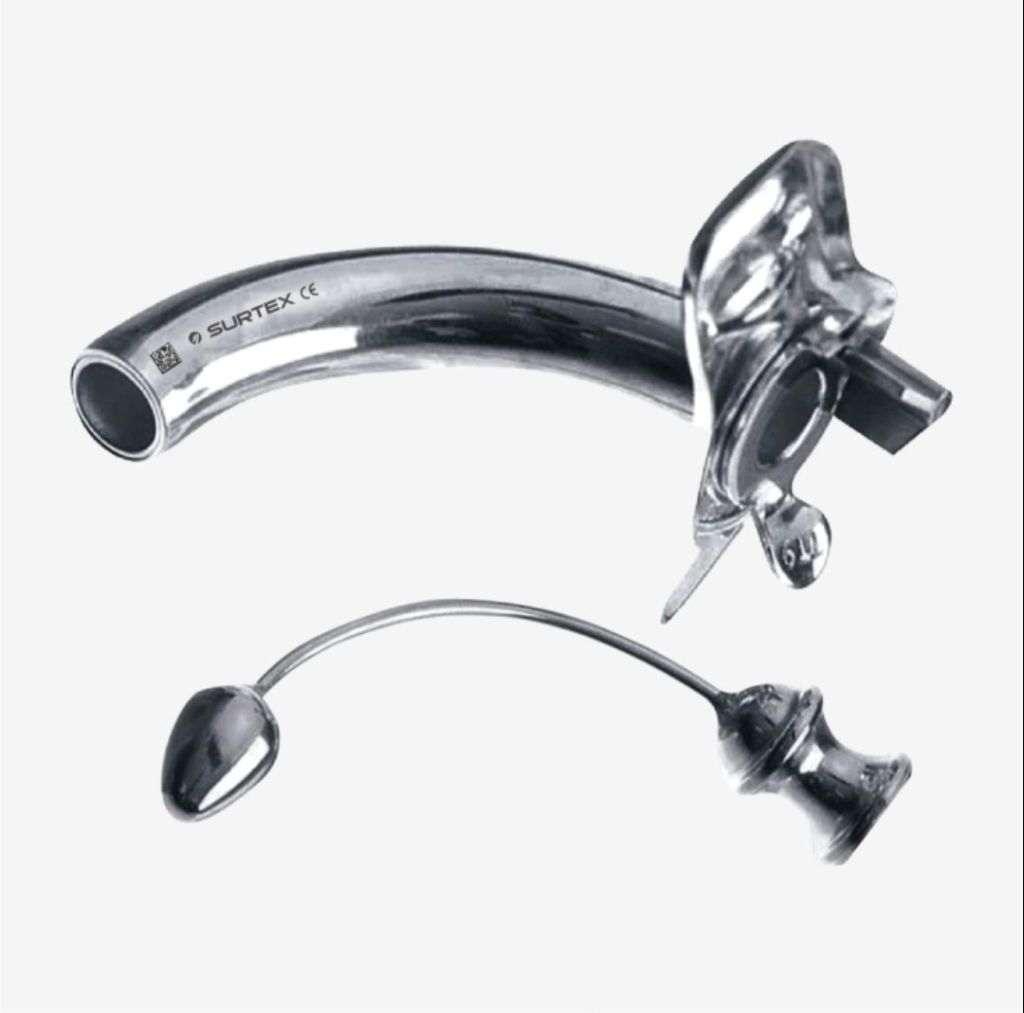
Advantages of Steel Tracheostomy Tubes
1) Durability and Longevity: Steel tubes are extremely durable, making them ideal for long-term tracheostomy patients. They can be sterilized and reused for many years, offering a cost-effective solution over time.
2) Low Infection Risk: The smooth, non-porous metal surface is often considered less prone to biofilm formation and bacterial colonization compared to some plastic materials.
3) Radiopacity: Steel is highly visible on X-rays (intrinsically radiopaque), making its position easy to confirm.
Disadvantages of Steel Tracheostomy Tubes
1) Rigidity and Comfort: Steel is rigid and has a fixed curve (often 90 degrees), which means it does not conform to the individual’s anatomy as well as flexible plastic or silicone tubes. This can lead to discomfort or irritation of the trachea and stoma.
*This is not an issue for flexible metal tube
2) Lack of Cuff/Ventilator Compatibility: Most traditional metal tracheostomy tubes are cuffless and lack the standard 15mm connector, making them generally unsuitable for mechanical ventilation or for patients at high risk of aspiration.
3) MRI Safety Hazard: Being metal, these tubes are a strong contraindication for Magnetic Resonance Imaging (MRI) due to the powerful magnetic field.
4) CT Scan Artifact: The metal can cause significant image artifact (streaks and shadows) on a Computed Tomography (CT) scan, particularly of the head, neck, and chest, impairing diagnostic evaluation.
5) Higher Initial Cost: While reusable, the initial purchase price of a metal tube is typically higher than a single disposable plastic tube.











 Dr. Ameen, ENT Specialist in Kuala Lumpur
Leave a comment