


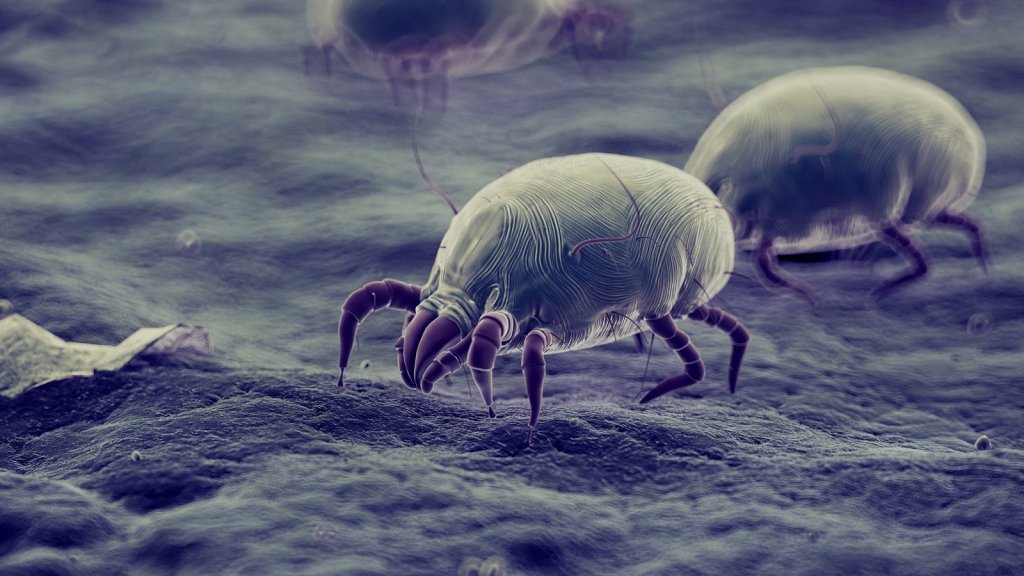
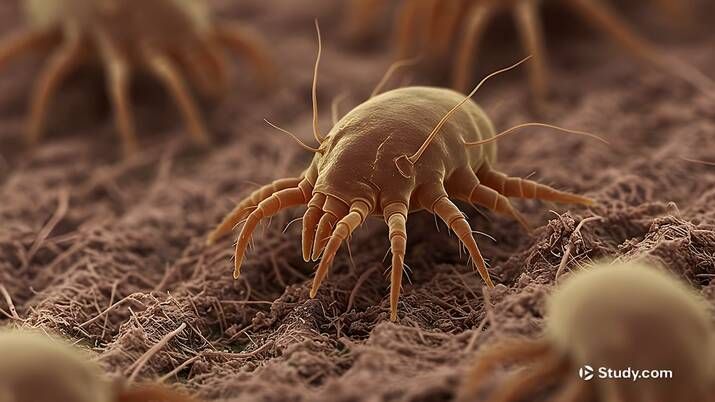
House dust mites are overwhelmingly the predominant indoor allergen in Southeast Asia. In countries like Singapore and Malaysia, the prevalence of HDM sensitization among atopic patients frequently reaches 80% or higher.
Are annoying dust mite allergies turning your home into a hazard zone? You’re not alone. House dust mites are a leading trigger for asthma and year-round allergies. The good news? You can transform your living space into a low-allergen sanctuary.
This highly exclusive guide delivers the most effective, unique, and actionable strategies to avoid or minimise house dust mite allergy symptoms, all while boosting your indoor air quality.
1. 🛌 The Bed-Tine Blueprint: Your #1 Defense Zone
Mites thrive in your bed, feeding on shed skin flakes and loving the warmth and moisture. Your bedroom is where you spend a third of your life, so start here!
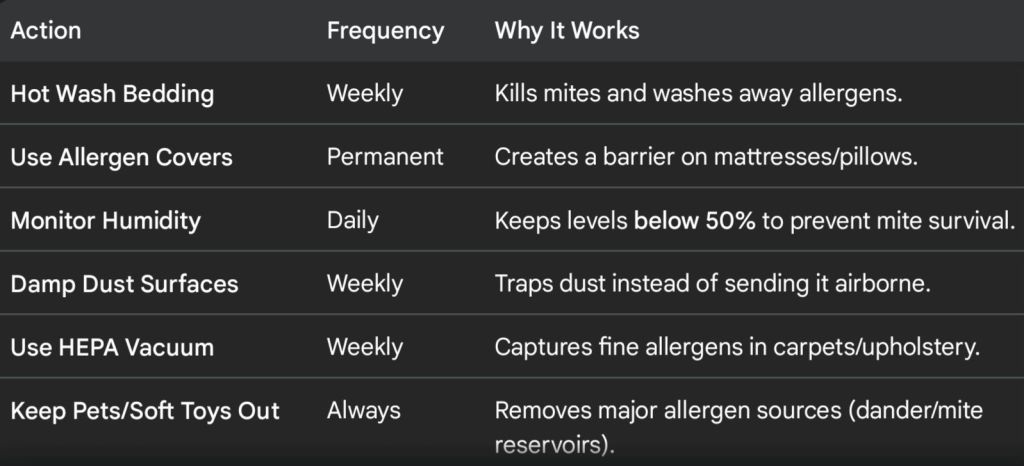
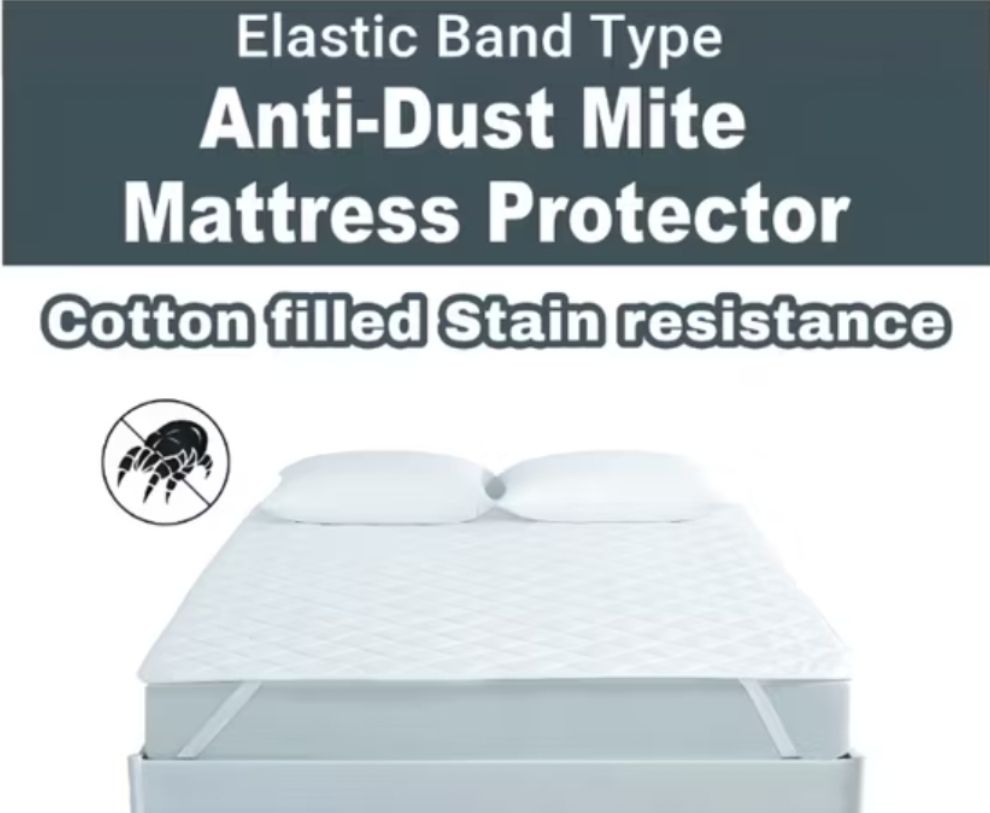
a) Seal the Mattress: This is non-negotiable. Invest in certified allergen-proof mattress and pillow covers (or ‘encasings’). These tightly woven, breathable barriers trap the mites and their allergens inside, preventing exposure. Wash the covers every two months.
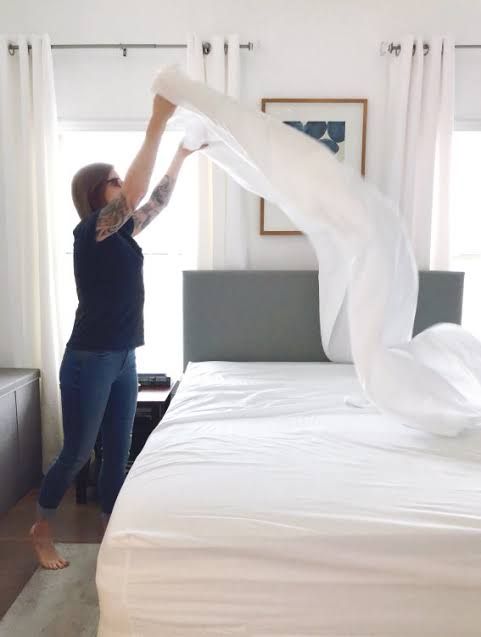
b) Wash in Hot Water (The Mite Killer): Wash all exposed bedding—sheets, pillowcases, blankets, and uncovered duvets—weekly at a minimum temperature of 130F (54.4C). This high heat is essential to kill the mites and wash away the allergens.
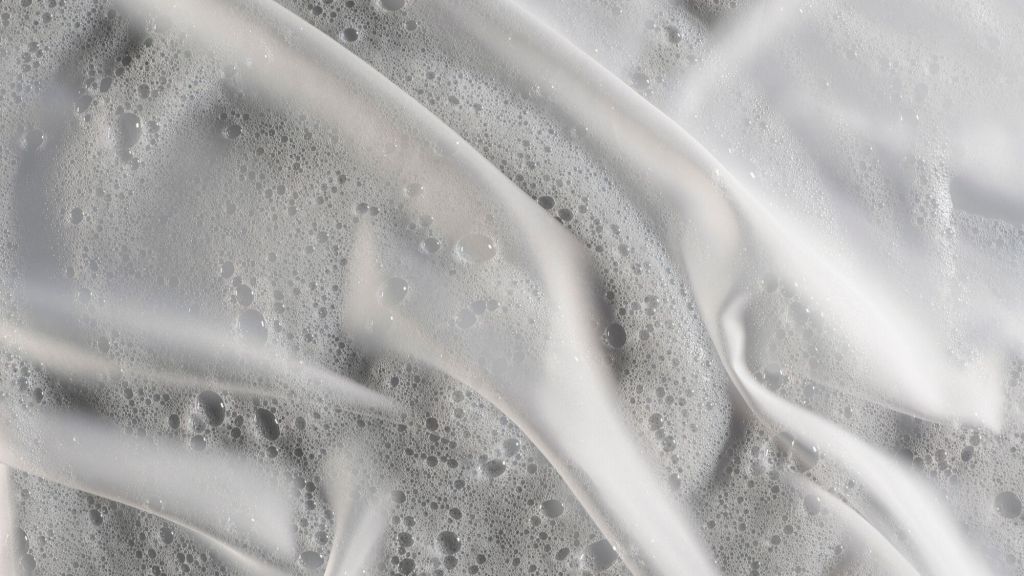
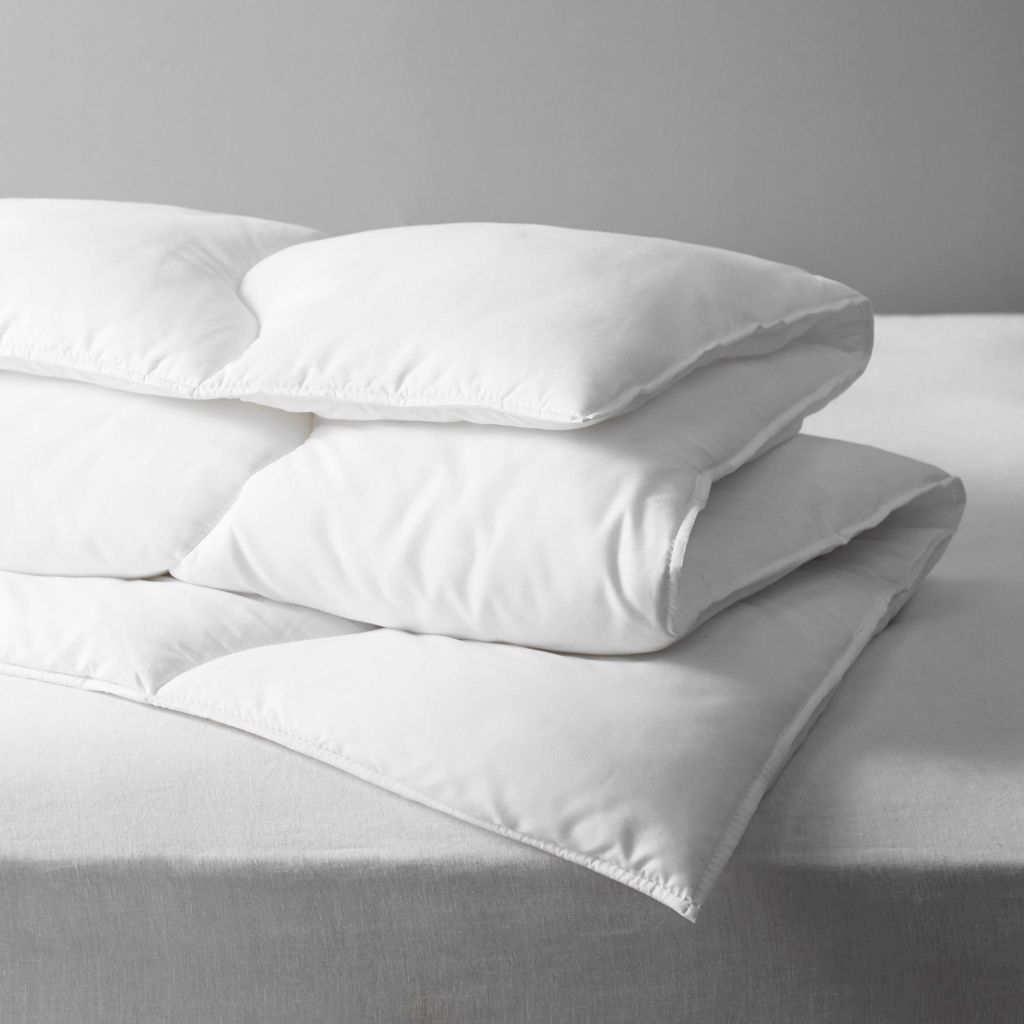
c) Ditch the Fluff: Replace feather or wool bedding with synthetic, washable options that can tolerate the weekly hot wash. Limit soft toys in the bedroom, or ensure the precious ones are washed weekly in hot water.
d) Ditch Soft Toys on Bed: Stuffed animals and cushions are major dust mite magnets and should be strictly kept off the bed. If a toy is essential, it must be washed weekly in hot water or placed in the freezer overnight (for at least 5 hours) to kill the mites before washing.

e) Avoid Cats in Your Room: Pets, especially cats, introduce dander that serves as extra food for dust mites, raising the overall allergen level. The bedroom must be an absolute pet-free zone for allergy sufferers.

2. 💧 Humidity: The Unseen Enemy
Mites absorb moisture directly from the air. Control the humidity and you control their population.
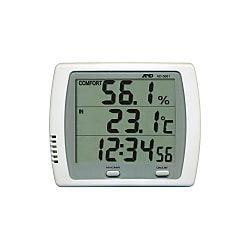
a) The Golden Zone: Aim to keep your home’s relative humidity below 50%. Use a hygrometer (an affordable gadget) to monitor levels.
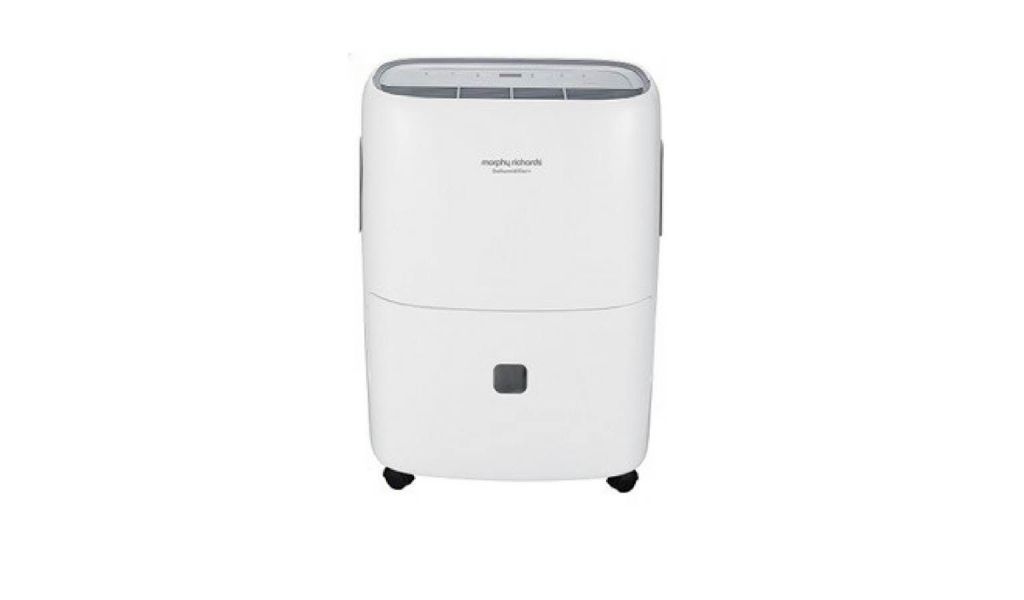
b) Dehumidify Strategically: Use an air conditioner or a dehumidifier in damp areas, especially the bedroom and basement, to draw moisture out of the air. Ensure good ventilation, especially in kitchens and bathrooms, by using extractor fans.
3. 🧹 Smart Cleaning & Decluttering Tactics
Your cleaning routine needs a powerful upgrade to manage airborne and settled allergens.
a) Go Bare (Floors): Where possible, remove wall-to-wall carpeting, especially in bedrooms. Hardwood, tile, or linoleum floors are far superior.

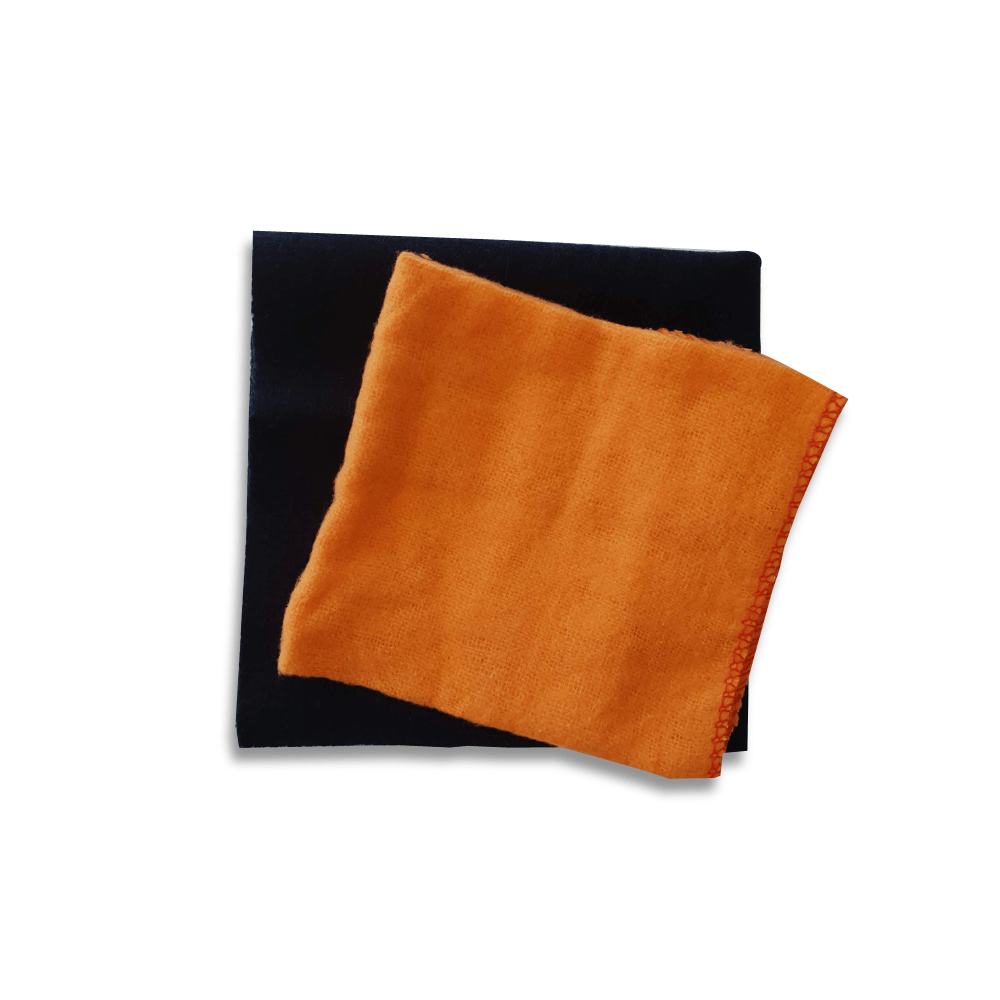
b) Damp is Best: Use a damp or electrostatic cloth instead of a dry rag or feather duster. Dry dusting just redistributes allergens into the air.
c) Upgrade Your Vacuum: A regular vacuum can stir up allergens. Use a vacuum cleaner equipped with a HEPA (High-Efficiency Particulate Air) filter to effectively trap the tiny mite particles.

d) Simplify Surfaces: Declutter your bedroom and living areas. Bookshelves, knickknacks, and heavy draperies are mite magnets. Opt for washable curtains or blinds.
By rigorously following these proven, expert-backed steps, you can significantly minimise your house dust mite exposure and enjoy the relief of an allergy-friendly home.











 Dr. Ameen, ENT Specialist in Kuala Lumpur
Leave a comment