


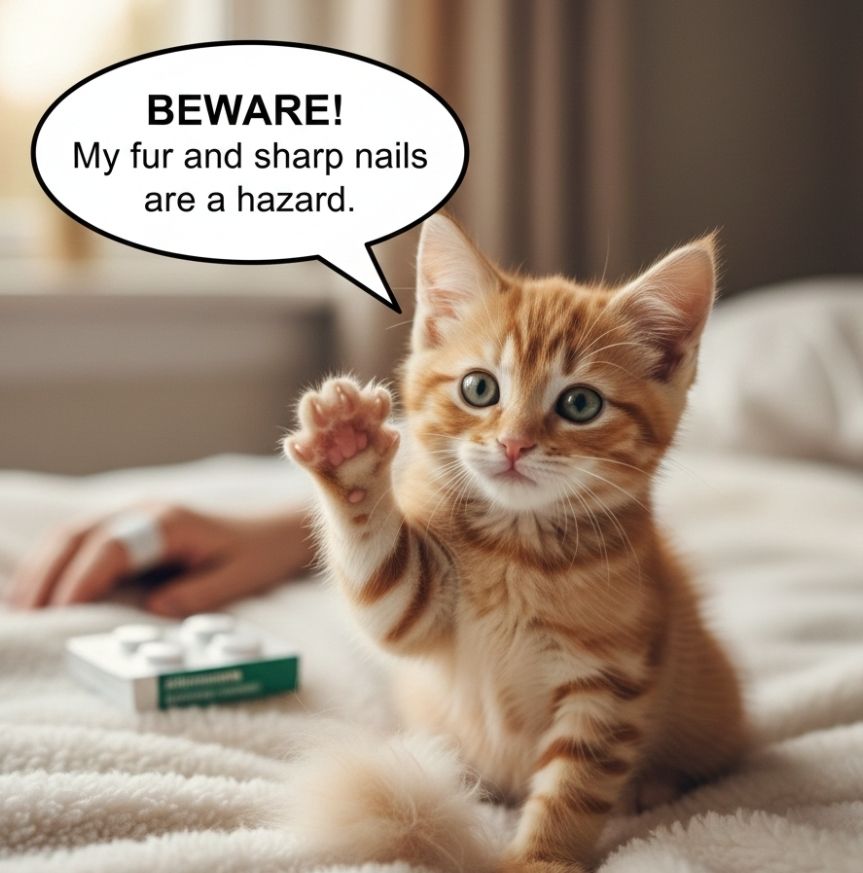
The Conspiracy of Cat Dander: Why Your Fluffy Overlord is an ENT’s Best Customer
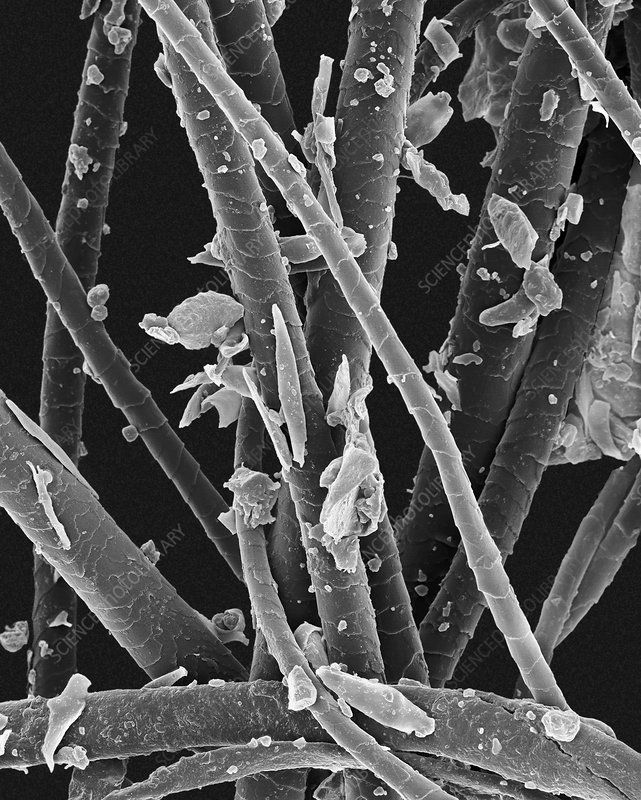
As an Ear, Nose, and Throat (ENT) consultant (or Otorhinolaryngologist, if you like long words), you spend your life dealing with delicate air passages. Then, along comes a tiny, purring creature that excretes an invisible, sticky, and profoundly irritating protein cocktail known as dander.

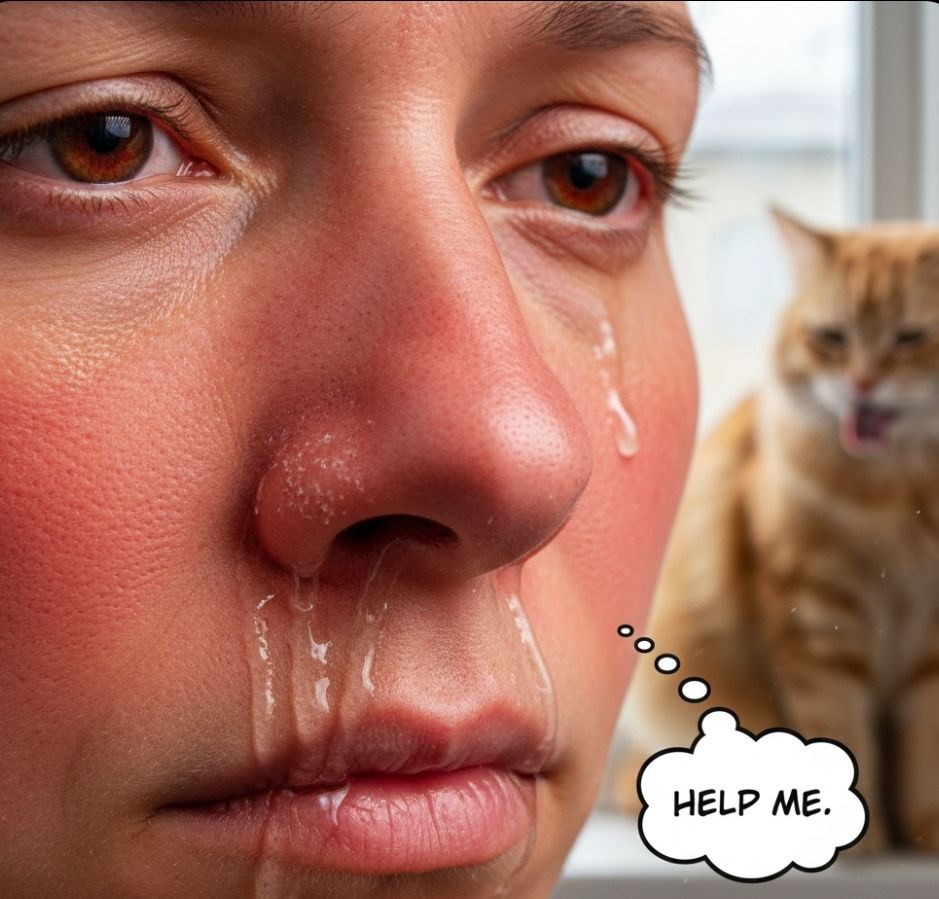
This isn’t just about a sneeze or two. This is about Chronic Allergic Rhinitis, where the nose is less of a graceful passage and more of an endlessly snotty warzone. When an ENT asks, “Any pets at home?” and the patient replies, “Just Mittens,” we internally calculate the patient’s future dependence on nasal steroid sprays.
The Vicious Cycle, or “Why You Need a Septoturbinoplasty, Ali”
Cat dander is a pro. It settles everywhere—your pillow, your HVAC filter, and deep, deep inside your nasal turbinates. The resulting inflammation forces the ENT to become a detective of congestion, often treating secondary issues like sinusitis or that annoying feeling of fullness in the ear (which is just back-up pressure from a nose so swollen it’s running a marathon).
The continuous irritation effectively acts as a destroyer of nasal linings, causing chronic swelling and misery.
The funny part? Many patients will swear their cat is “hypoallergenic,” a claim ENT doctors universally greet with the skeptical silence of a thousand blocked sinuses. They’ll spend thousands on HEPA filters and air purifiers, while the cat lounges on the freshly laundered blankets, a tiny smile playing on its lips.
Beyond the Sneeze: The Dreaded Cat-Scratch Swellings
But wait, there’s a side quest! Sometimes, the patient isn’t just sneezing; they have a lump in their neck. This is where Mittens decides to up the ante and go full-villain with Cat-Scratch Disease (CSD). A playful little tap from a claw can transmit Bartonella henselae, leading to the most recognizable sign: a huge, persistent, and tender lymph node—often right in the drainage area of the ENT’s specialty (the neck or near the ear).

The ENT now has the joy of distinguishing a harmless cat-borne infection from… well, from scarier lumps. The cat is nowhere to be found, naturally, having already moved on to its next scheme. So, the consultant manages the patient’s anxiety and the swollen node, all thanks to a creature that literally asks for nothing but food and world domination.
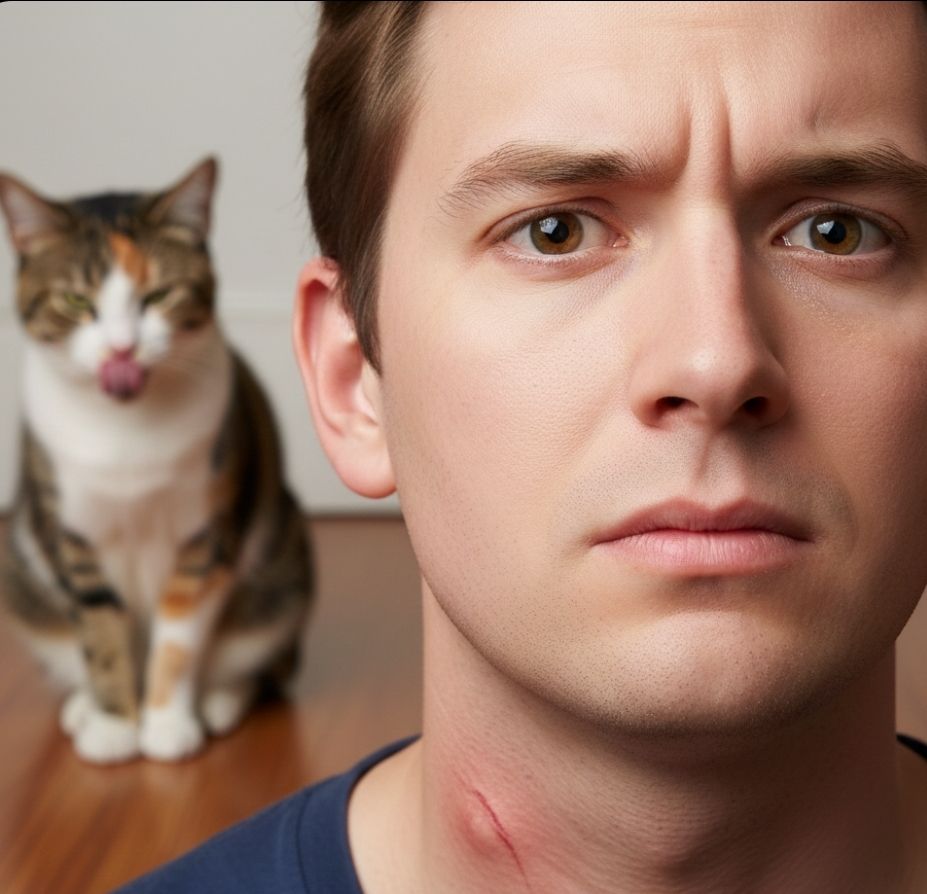
So next time you snuggle your cat, remember you are cuddling a tiny, four-legged job security blanket for your local ENT specialist. They may prescribe you medicine to breathe, and occasionally check your neck for lumps, but secretly, they thank your feline friend for keeping them in business.


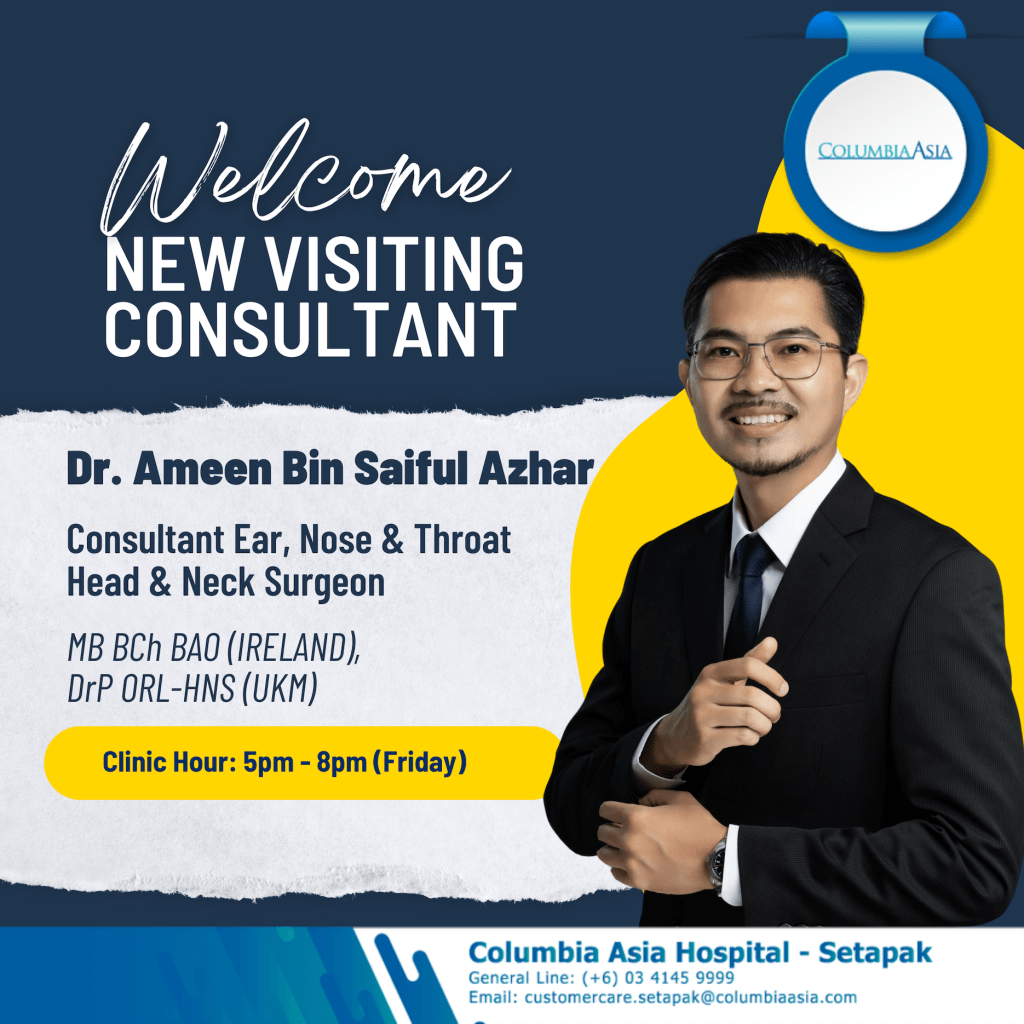






 Dr. Ameen, ENT Specialist in Kuala Lumpur
Leave a comment