


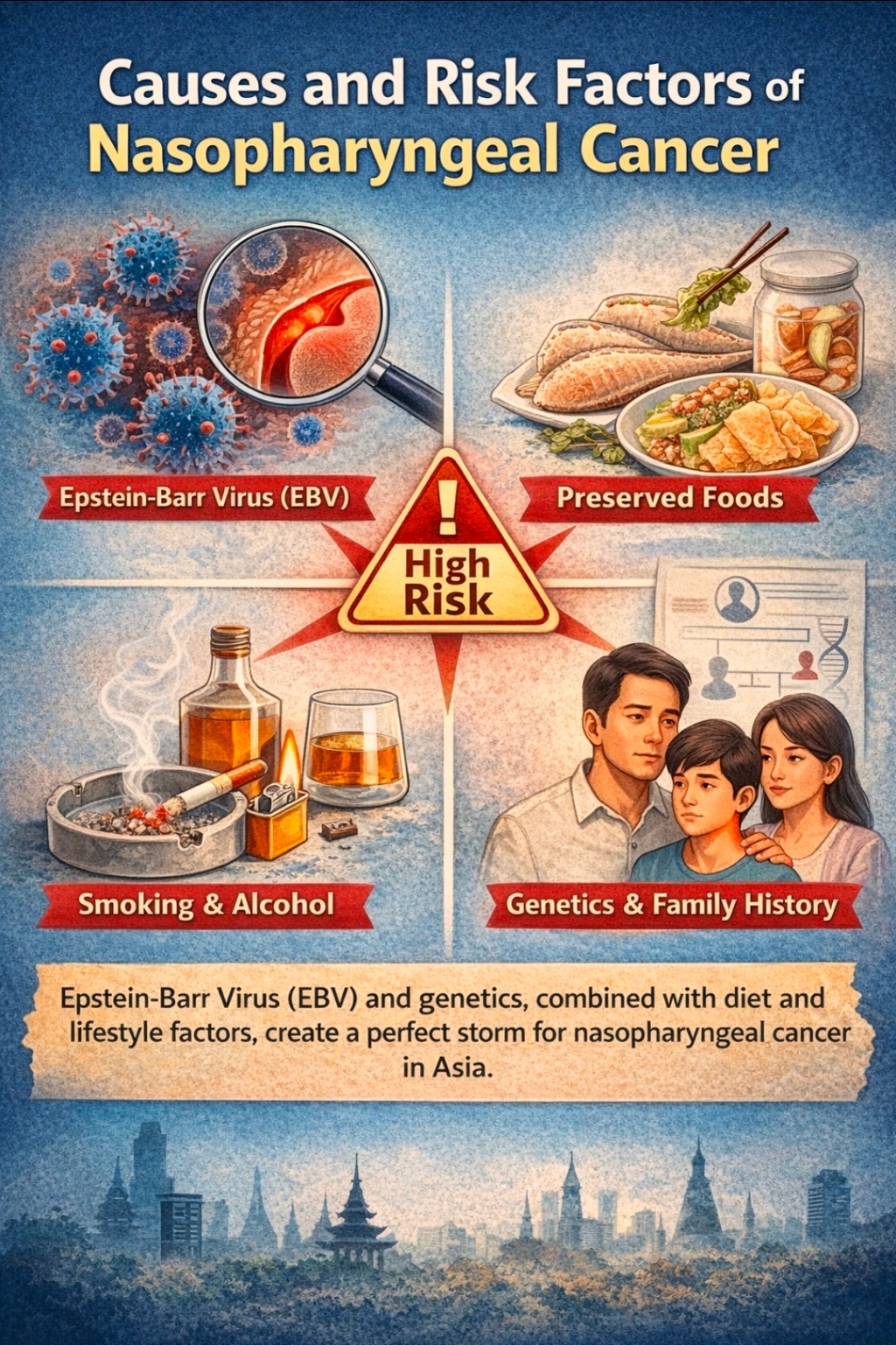
Part 2: Causes and Risk Factors
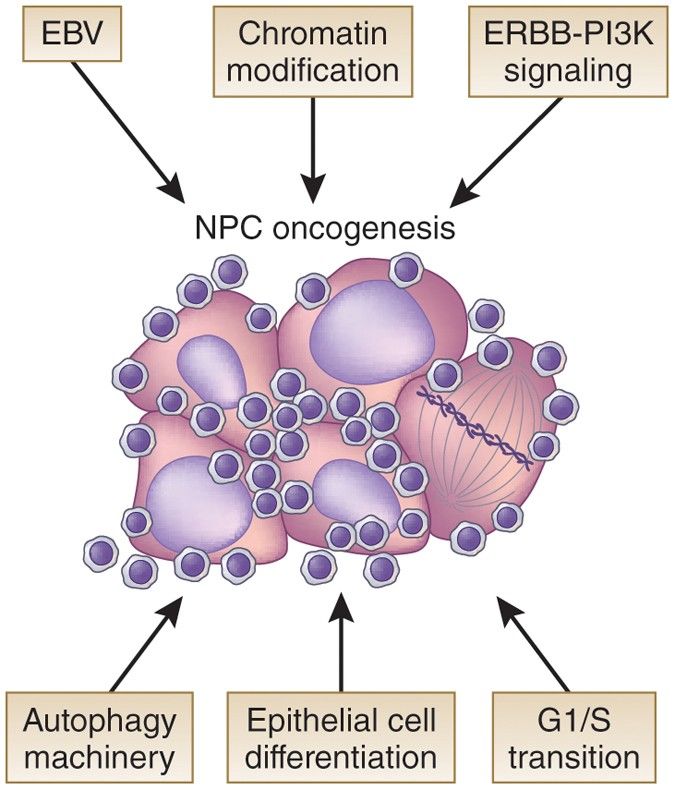
What makes NPC so common in certain communities? The truth is it’s a perfect storm of causes – a mixture of ancient genes, viral hijackers, and environmental sparks. First and foremost, Epstein-Barr virus (EBV) is almost always involved. EBV, the same virus that causes mono, lurks in the tumor cells of virtually all NPC cases in Asia. In endemic regions, the virus acts like a hidden accomplice – present from the beginning and fueling tumor growth. You can think of EBV as a seed or catalyst that, given the right conditions, helps transform the cells lining your nasopharynx into cancer.
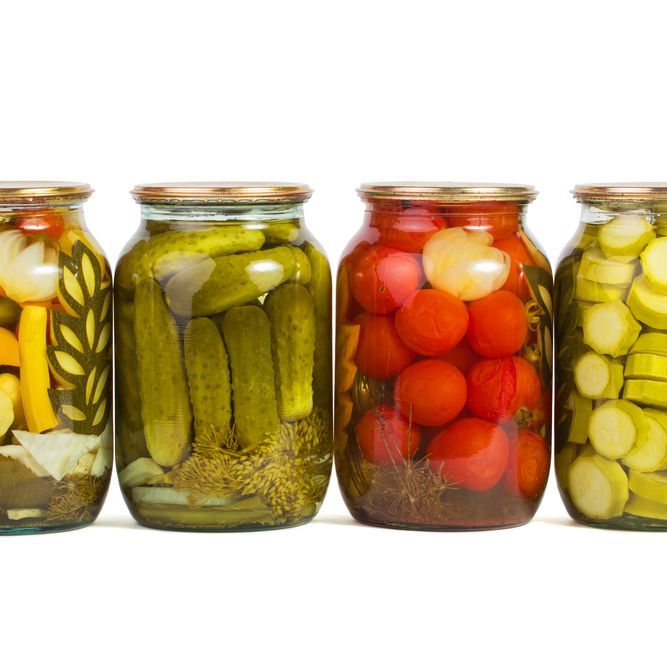
But EBV alone isn’t the whole story. Early-life exposures and lifestyle factors add fuel to the fire. Epidemiologists have long noted that preserved foods – especially salt-cured fish and pickled vegetables common in Asian diets – increase NPC risk. Exposure to nitrosamines and other chemicals in these foods is thought to damage cells or interact with EBV, raising cancer risk later on. On top of diet, habits like smoking and heavy alcohol use are also known NPC risk factors. Even certain workplace chemicals (formaldehyde) made the list. In short, if EBV is the spark, these factors are like gasoline that helps the flame grow.




Then there’s genetics and ancestry. NPC almost behaves like a hereditary trait in Asia. Studies suggest the roots go back to the ancient Bai Yue people of southern China; modern southern Chinese and many Southeast Asians carry genetic traits from them, which may partly explain the shared NPC vulnerability.
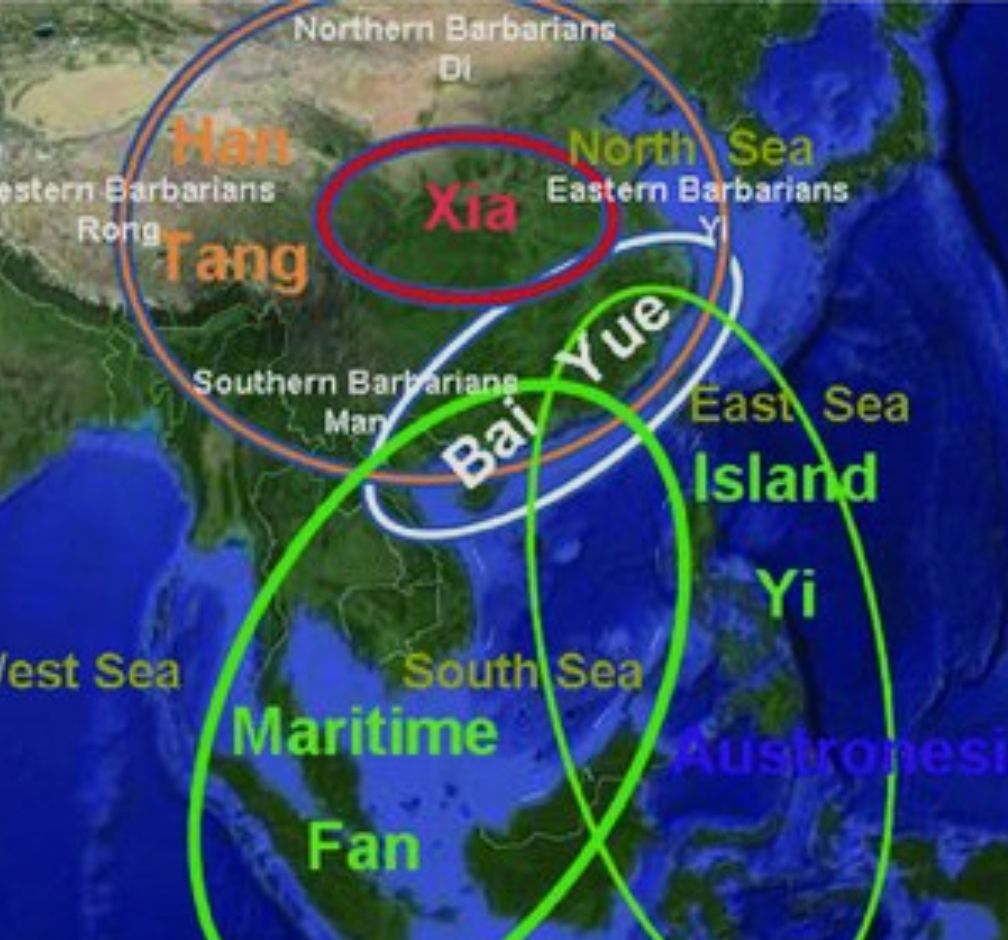
Family history is a huge clue: having a close relative with NPC multiplies your own risk by 4–10 times. Even moving away doesn’t erase risk – immigrant Asian populations have higher NPC rates than their new neighbors. For example, a high-risk Chinese dialect group called the Tanka has up to double the NPC incidence of others in the same region. All told, experts say NPC risk strongly tracks geography, ethnicity, middle age, and family history.
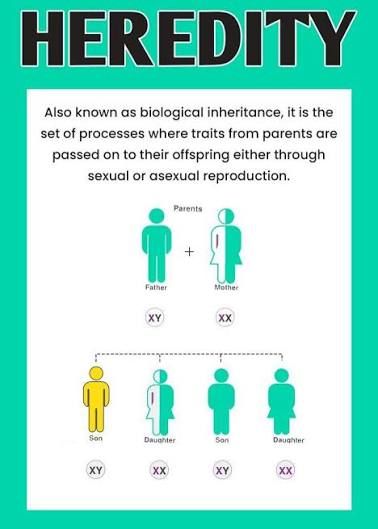
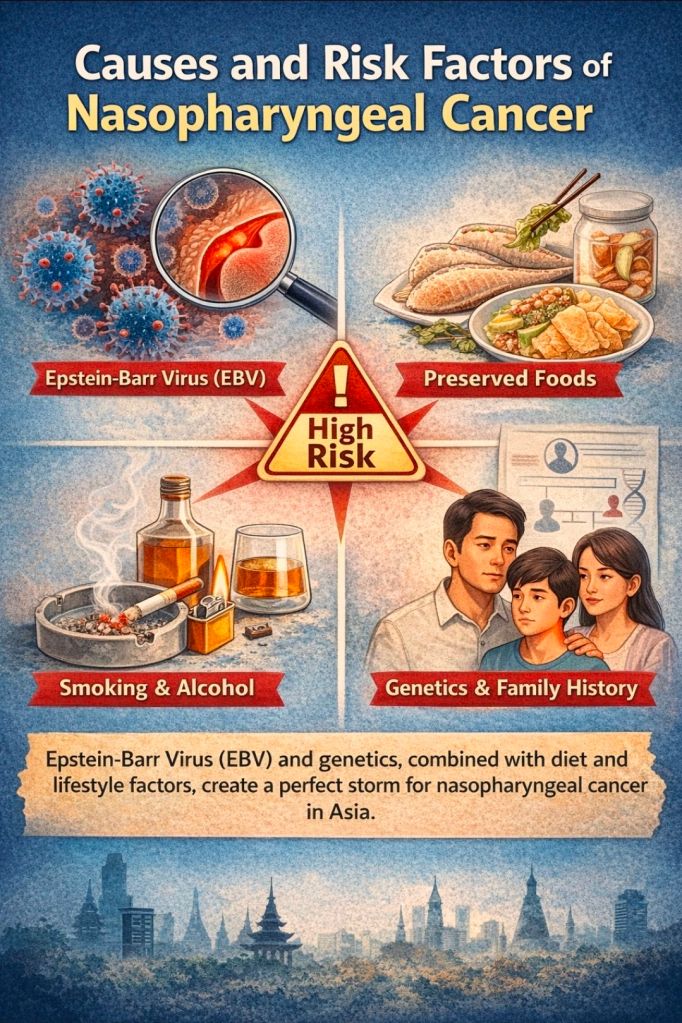
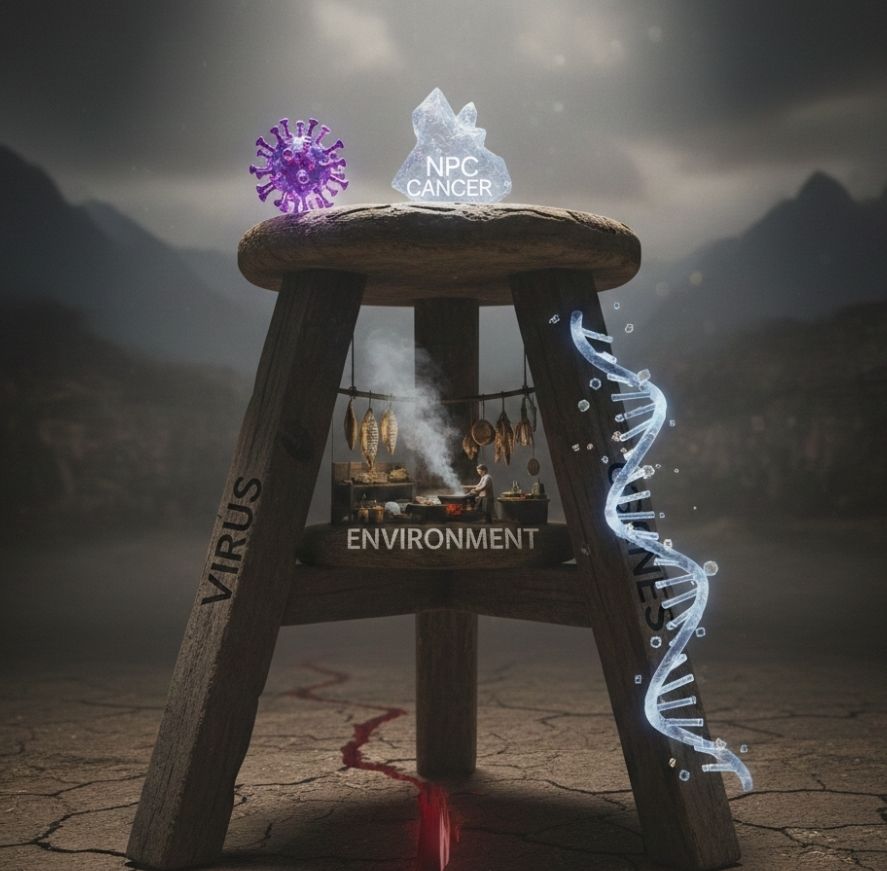
In summary: imagine NPC as a “three-legged stool” – you need virus, environment, and genes all together. EBV infection is nearly universal in endemic NPC. Add a high-salt diet or smoking (common in some cultures) and you light the fuse. And if you inherit the right (or wrong) DNA background, the risk skyrockets. It’s a unique pattern that researchers are still unraveling, but it clearly explains why NPC still looks like an “Asian disease”.










 Dr. Ameen, ENT Specialist in Kuala Lumpur
Leave a comment