


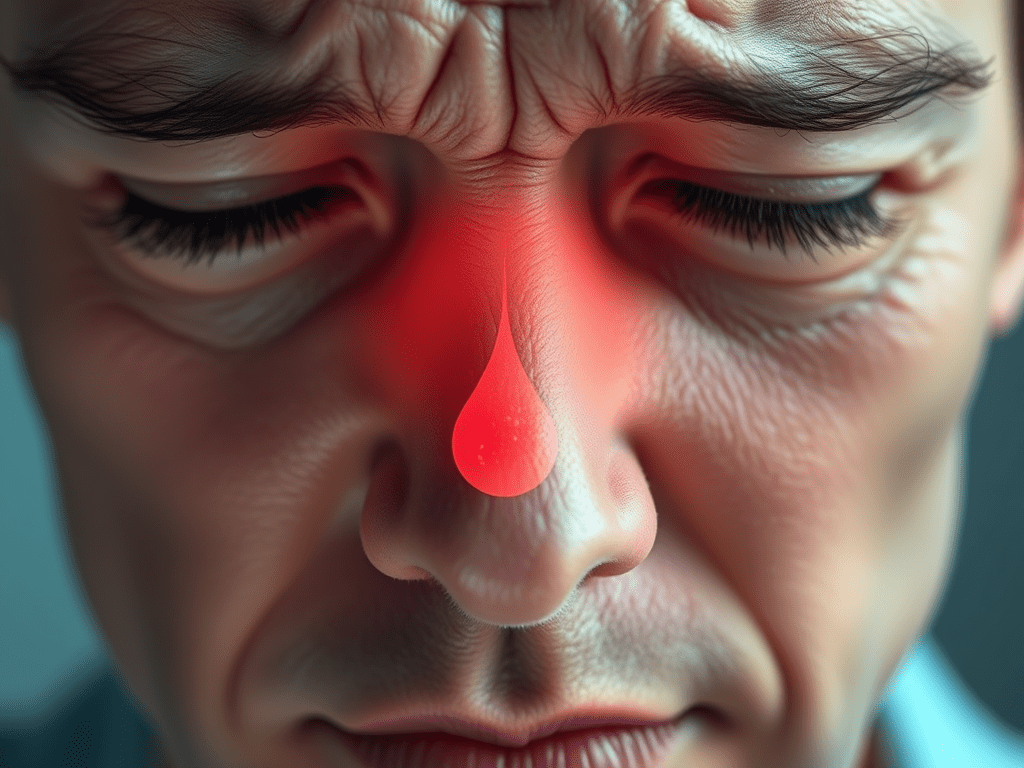
Chronic Rhinosinusitis: Common Signs and Symptoms
A Kuala Lumpur ENT Specialist Explains What Your Sinuses Are Trying to Tell You
One of the biggest challenges with chronic rhinosinusitis (CRS) is that it doesn’t always shout. Sometimes it whispers. Other times, it nags. And for many patients I see in Kuala Lumpur and the Klang Valley, the symptoms slowly become “normal” — so normal that they stop realising something is actually wrong.
Let me ask you a simple question:
When was the last time you breathed clearly through your nose without thinking about it?
If you can’t remember, keep reading.
The Core Symptoms of Chronic Rhinosinusitis
According to well-established, evidence-based ENT guidelines (including EPOS), CRS is diagnosed when symptoms persist for more than 12 weeks and include at least two of the following, with one being nasal blockage or nasal discharge.
Let’s unpack these symptoms in a way that actually makes sense.
1. Persistent Nasal Blockage (The Most Common Complaint)
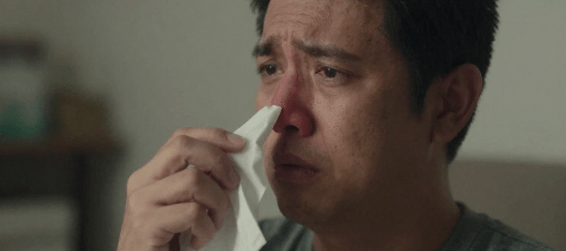
This is the symptom I hear most often in my KL clinic.
Patients describe it as:
- “Doctor, my nose is always blocked”
- “I can only breathe from one side”
- “It’s worse at night”
- “Air-conditioning makes it worse”
Unlike a cold, this blockage:
- Lasts for months
- Shifts from side to side
- Does not fully respond to decongestants
Think of it like trying to breathe through a straw that’s slowly narrowing over time. That’s what chronic inflammation does inside your nose.
In chronic rhinosinusitis with nasal polyps, the blockage can be severe enough that patients breathe almost entirely through their mouth.
2. Nasal Discharge (Front or Back of the Nose)
CRS often causes ongoing nasal discharge, which may be:
- Clear
- Thick
- Yellowish or greenish
But here’s the important part:
It doesn’t always come out of the nose.
Many patients experience post-nasal drip, where mucus trickles down the back of the throat. This can cause:
- Frequent throat clearing
- Chronic cough
- Sensation of something “stuck” in the throat
- Bad taste in the mouth
In Malaysia’s humid climate, thick mucus tends to linger — making symptoms feel even worse.
3. Facial Pain, Pressure, or Heaviness
Not all CRS patients have pain — but when they do, it’s often described as:
- Pressure around the cheeks
- Tightness between the eyes
- Heaviness over the forehead
- A dull ache that worsens when bending forward
This symptom is more common in CRS without nasal polyps.
Important myth-busting moment:
👉 Severe facial pain alone does not always mean sinusitis.
That’s why proper ENT assessment matters.
4. Reduced or Lost Sense of Smell
This symptom is often underestimated — until it’s gone.
Patients tell me:
- “Food doesn’t taste the same”
- “I can’t smell coffee anymore”
- “I didn’t notice it disappearing, but now it’s almost gone”
Loss of smell is especially common in chronic rhinosinusitis with nasal polyps and is a key indicator of ongoing inflammation inside the nose.
Studies show that reduced smell significantly affects:
- Appetite
- Safety (e.g. gas leaks, smoke)
- Quality of life
Other Symptoms Patients Often Don’t Realise Are Related
CRS doesn’t just affect the nose. It can quietly disrupt your entire day.
Fatigue and Poor Sleep
Blocked noses lead to:
- Mouth breathing
- Snoring
- Fragmented sleep
Many patients feel tired despite “sleeping enough.”
Headache or Head Heaviness
Not all headaches are migraines or tension headaches. Chronic sinus inflammation can contribute — especially when combined with nasal blockage.
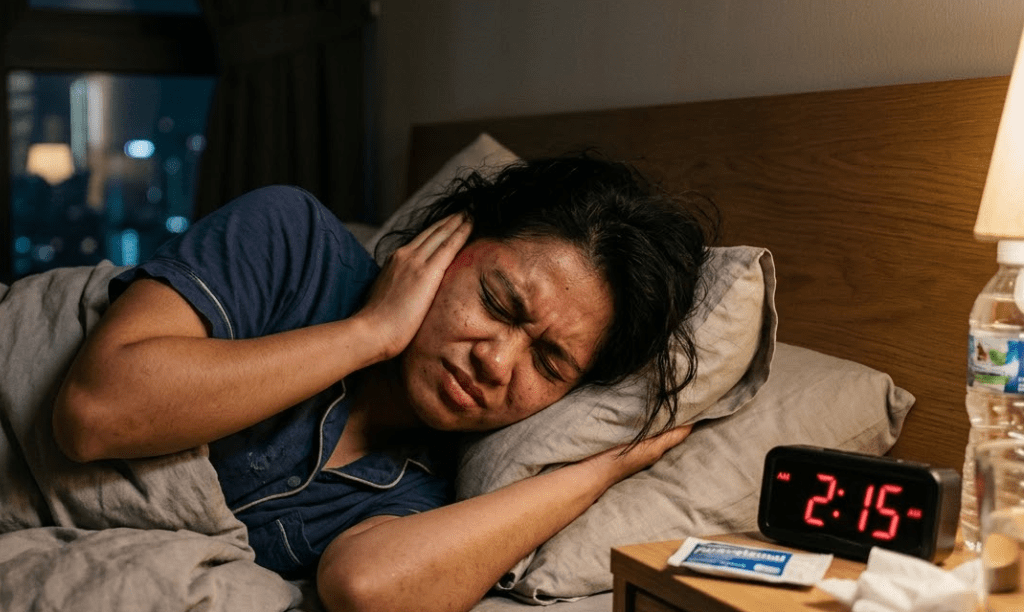
Ear Fullness or Pressure
Because the nose and ears are connected, CRS can cause:
- Ear blockage
- Mild hearing fluctuation
- Popping sensations
This is commonly seen in adults with long-standing nasal inflammation.
Why CRS Symptoms Are Often Ignored in Kuala Lumpur
In KL and the Klang Valley, many patients assume:
- It’s “just allergy”
- It’s the haze
- It’s air-conditioning
- It’ll go away on its own
So they self-medicate for months with:
- Nasal sprays
- Antibiotics
- Antihistamines
Unfortunately, untreated CRS tends to smoulder, not resolve.




 Dr. Ameen, ENT Specialist in Kuala Lumpur
Leave a comment