



Chronic Rhinosinusitis: Treatment and Management Options
How ENT Specialists in Kuala Lumpur Control Sinus Disease Long Term
If you’ve made it this far in the series, you’ve probably realised one important truth:
chronic rhinosinusitis (CRS) is not a “quick fix” condition.
Patients often ask me,
“Doctor, can you cure my sinus?”
The honest answer is this: CRS is a long-term inflammatory disease that can be effectively controlled, much like asthma or eczema. The goal of treatment is not just short-term relief, but sustained control, fewer flare-ups, and better quality of life.
Let’s talk about how that’s achieved in real-world ENT practice in Kuala Lumpur and the Klang Valley.
The Core Principles of CRS Treatment
Modern evidence-based ENT management focuses on:
- Reducing inflammation
- Improving sinus drainage
- Treating contributing factors (allergy, polyps, anatomy)
- Preventing future flare-ups
This means treatment is usually stepwise and personalised.
1. Nasal Saline Irrigation: Simple but Powerful
This is often underestimated.
Regular saline rinses help by:
- Clearing thick mucus
- Reducing inflammatory load
- Improving delivery of nasal medications
For many KL patients exposed to dust and pollution, saline irrigation is like daily housekeeping for the nose.
Tip: Large-volume, low-pressure rinses are more effective than sprays alone.
2. Intranasal Corticosteroid Sprays (The Backbone of Treatment)
These sprays:
- Reduce inflammation
- Shrink swollen nasal lining
- Improve sinus drainage
- Reduce polyp size
When used correctly and consistently, they are safe for long-term use.
Key issue I see in clinic:
👉 Many patients stop too early or use the spray incorrectly.
Used properly, nasal steroids are not “strong medicine” — they are maintenance therapy.
3. Short Courses of Oral Medications (When Needed)
Depending on severity, treatment may include:
- Short courses of oral corticosteroids (especially in nasal polyps)
- Targeted antibiotics during acute flare-ups
Important clarification:
👉 Antibiotics are not routine treatment for CRS.
They are reserved for specific situations, not long-term control.
4. Treating Underlying Allergy
In Malaysia, ignoring allergy often leads to treatment failure.
Management may include:
- Antihistamines
- Allergen avoidance strategies
- Allergy-directed therapy
Controlling allergy reduces:
- Symptom severity
- Medication burden
- Risk of recurrence
5. Advanced Medical Therapy (Selected Patients)
For patients with severe CRS—especially those with nasal polyps—newer treatments are emerging.
These include:
- Targeted anti-inflammatory therapies
- Biologic medications in selected cases
These options are considered when:
- Standard treatment fails
- Disease significantly affects quality of life
- There is recurrent disease after surgery
This represents a major shift in modern rhinology.
6. When Is Sinus Surgery Needed?
This is one of the most misunderstood aspects of CRS management.
👉 Surgery is not a failure of medical treatment.
It is part of a comprehensive strategy for selected patients.
Functional Endoscopic Sinus Surgery (FESS) aims to:
- Restore natural sinus drainage
- Improve ventilation
- Allow medications to work better
Surgery does not cure inflammation, but it:
- Reduces disease burden
- Improves symptom control
- Enhances effectiveness of long-term medical therapy
In properly selected patients, outcomes are very good.
7. Post-Treatment and Long-Term Control
CRS management does not end after symptoms improve.
Long-term control includes:
- Regular follow-up
- Ongoing nasal care
- Adjusting treatment as needed
Think of CRS like maintaining a garden. Regular care keeps it healthy; neglect allows weeds to return.
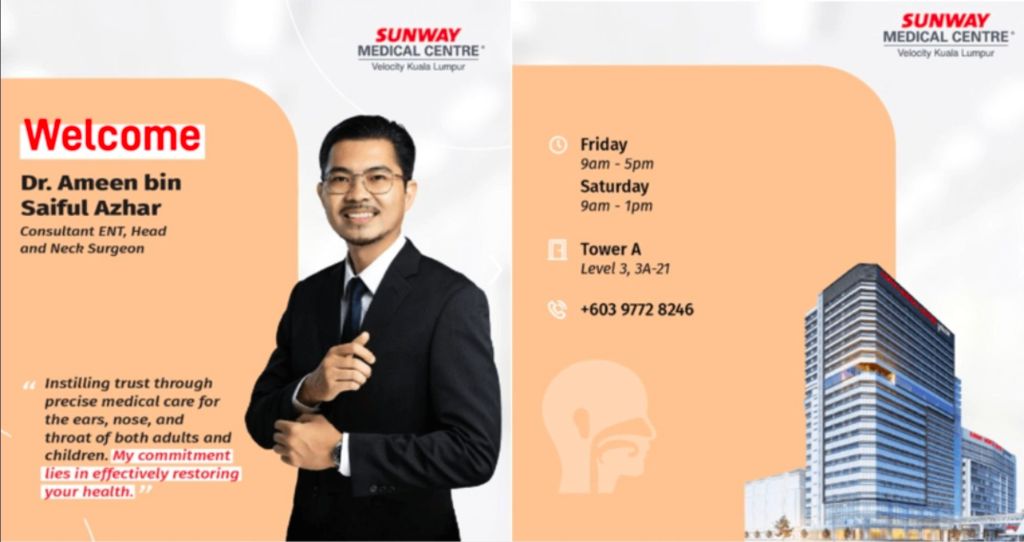
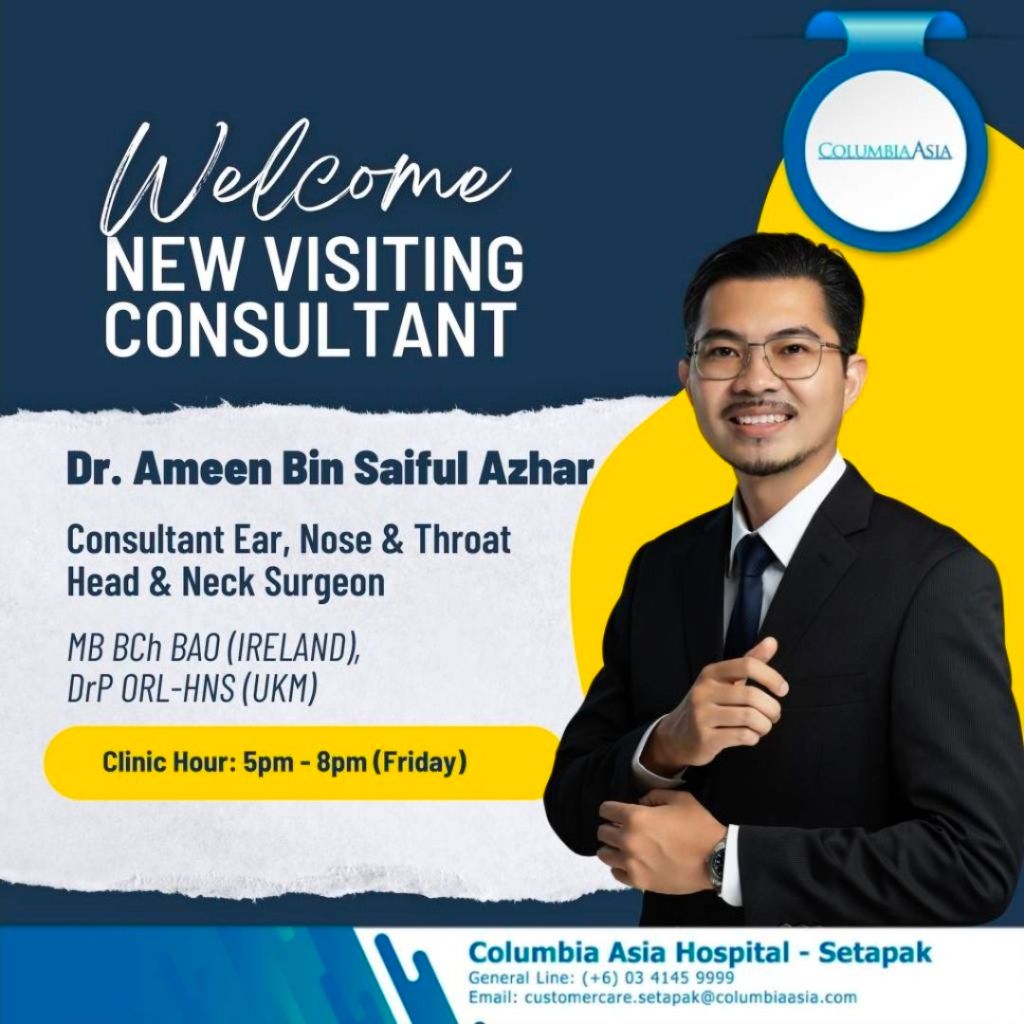




 Dr. Ameen, ENT Specialist in Kuala Lumpur
Leave a comment