



Chronic Rhinosinusitis: Prevention and Long-Term Outlook
Living Well With Sinus Disease in Kuala Lumpur
By now, one thing should be clear: chronic rhinosinusitis (CRS) is not a one-off illness. It’s a long-term inflammatory condition that needs ongoing care. But here’s the good news — with the right approach, most patients can live comfortably, breathe better, and regain control of their daily lives.
The key lies in prevention, consistency, and realistic expectations.
Let’s talk about what long-term sinus health really looks like, especially for those living in Kuala Lumpur and the Klang Valley.
Can Chronic Rhinosinusitis Be Prevented?
CRS cannot always be completely prevented, especially if you have strong genetic or immune factors. However, flare-ups and disease progression can absolutely be reduced.
Think of CRS like maintaining your teeth. You may still need fillings occasionally, but good daily habits prevent major problems.
1. Control Nasal Inflammation Every Day
The most effective long-term strategy is consistent nasal care, even when symptoms improve.
This usually includes:
- Regular saline irrigation
- Correct use of intranasal steroid sprays
- Avoiding overuse of decongestant sprays
Patients who stop treatment as soon as they feel better often experience relapse. CRS prefers neglect.
2. Manage Allergy Proactively
In Kuala Lumpur, allergy is a year-round issue — not a seasonal one.
Preventive allergy strategies include:
- Reducing indoor dust exposure
- Using mattress and pillow covers
- Cleaning air-conditioning filters
- Taking prescribed allergy medications consistently
Allergy control reduces:
- Nasal swelling
- Mucus production
- Risk of sinus blockage
3. Minimise Environmental Triggers
Urban living increases sinus burden.
Practical steps include:
- Wearing a mask during haze episodes
- Avoiding heavy traffic pollution where possible
- Rinsing the nose after dusty exposure
- Maintaining good indoor air quality
These small habits make a big difference over time.
4. Avoid Unnecessary Antibiotics
Repeated antibiotics:
- Do not prevent CRS
- Can worsen long-term outcomes
- Increase resistance
Antibiotics should be reserved for clear bacterial flare-ups, not routine symptom control.
5. Long-Term Follow-Up Matters
CRS is dynamic. It changes over time.
Regular ENT follow-up allows:
- Early detection of relapse
- Adjustment of treatment
- Monitoring for nasal polyps
- Prevention of complications
Patients who stay engaged with care generally do far better than those who disappear after initial improvement.
What Is the Long-Term Outlook for CRS?
Here’s the honest answer:
👉 Most patients do very well when CRS is properly managed.
Modern ENT care has significantly improved outcomes through:
- Better diagnostic tools
- Targeted medical therapy
- Safer and more effective surgery
- New treatment options for severe disease
Many patients:
- Regain nasal breathing
- Recover sense of smell
- Sleep better
- Need fewer medications over time
CRS becomes a manageable condition, not a daily struggle.
Life After Sinus Surgery (If Needed)
For patients who undergo sinus surgery:
- Surgery improves access for medication
- Ongoing nasal care remains essential
- Long-term outcomes are generally excellent with compliance
Surgery is a tool, not a cure — and when used correctly, it dramatically improves quality of life.
Key Takeaway for Kuala Lumpur Patients
Living in a humid, urban environment means your nose works harder every day. CRS doesn’t mean you’ve failed — it means your sinuses need structured, long-term care.
With the right strategy:
- Symptoms become controlled
- Flare-ups become less frequent
- Life becomes easier
Breathing should be effortless — not something you constantly think about.

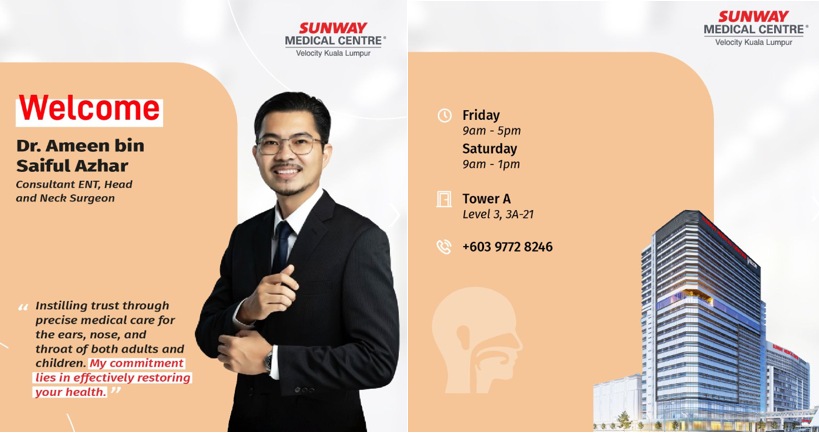
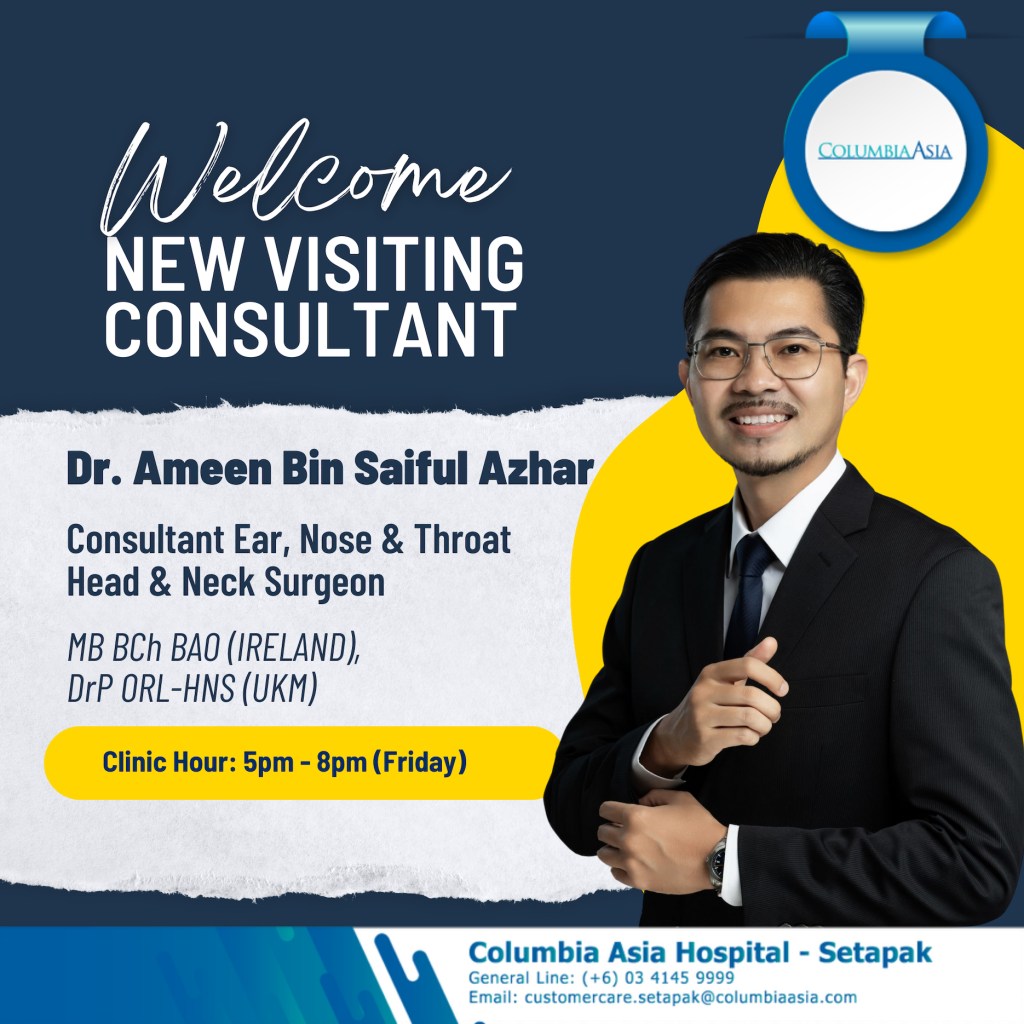

 Dr. Ameen, ENT Specialist in Kuala Lumpur
Leave a comment