



Rhinitis: What Is It? (Definition)
A Kuala Lumpur ENT Specialist’s Guide to Understanding a Very Common Nose Problem
If you practise ENT medicine in Kuala Lumpur, you’ll know this already: rhinitis is everywhere. Patients come in complaining of a “runny nose that never stops,” constant sneezing, blocked nostrils, or that annoying postnasal drip that makes the throat feel perpetually uncomfortable. Many brush it off as “just sinus” or “maybe allergy,” but rhinitis is more than just a minor nuisance. Left untreated, it can significantly affect sleep, productivity, and overall quality of life.
So, let’s start from the beginning.
What Exactly Is Rhinitis?
Rhinitis is a medical condition characterised by inflammation of the nasal mucosa, the delicate lining inside your nose. This inflammation leads to a group of symptoms such as nasal blockage, excessive nasal discharge (runny nose), sneezing, itching, and postnasal drip. According to major rhinology guidelines and peer-reviewed ENT journals, rhinitis is broadly classified into allergic rhinitis and non-allergic rhinitis, with several subtypes under each category.
In simple terms, rhinitis means your nose is reacting to something—sometimes an allergen, sometimes irritation, and sometimes reasons we don’t fully understand yet.
In Malaysia and especially urban Kuala Lumpur, rhinitis is extremely common due to a combination of humid climate, air pollution, dust mites, traffic emissions, haze exposure, and indoor allergens. From air-conditioned offices in KLCC to congested highways and construction zones, our noses are constantly under attack.
Allergic Rhinitis vs Non-Allergic Rhinitis
One of the most important distinctions we make as ENT specialists is whether a patient has allergic or non-allergic rhinitis.
Allergic Rhinitis
This occurs when the immune system overreacts to allergens such as:
- House dust mites (very common in Malaysian homes)
- Pollen
- Animal dander
- Mould spores
The body releases histamine, triggering symptoms like sneezing fits, itchy nose, watery eyes, and clear nasal discharge. Allergic rhinitis may be seasonal or perennial (year-round), with the latter being far more common in Kuala Lumpur due to constant allergen exposure.
Non-Allergic Rhinitis
Here’s where things get tricky. Non-allergic rhinitis causes similar symptoms, but without an allergic trigger. Common types include:
- Vasomotor rhinitis
- Hormonal rhinitis
- Drug-induced rhinitis (e.g. overuse of nasal sprays)
- Occupational rhinitis
- Rhinitis triggered by smoke, strong smells, weather changes, or air pollution
Patients often tell me, “Doctor, my nose blocks up when I enter air-cond rooms or when KL traffic is bad.” That’s classic non-allergic rhinitis.
Why Rhinitis Is Often Underestimated
Rhinitis is frequently dismissed as something trivial. After all, it’s “just a nose problem,” right? But here’s the reality: untreated rhinitis can lead to chronic sinusitis, ear problems, sleep disturbance, snoring, poor concentration, and reduced work performance.
In children, rhinitis can affect school performance. In adults, it impacts productivity and sleep quality. Studies published in international ENT and rhinology journals consistently show that rhinitis significantly reduces quality of life—sometimes on par with chronic conditions like asthma.
And speaking of asthma, rhinitis and asthma often coexist. In fact, we now recognise the concept of “one airway, one disease.” What happens in the nose affects the lungs.
Why Rhinitis Is So Common in Kuala Lumpur
Living in Kuala Lumpur presents unique risk factors:
- High humidity encouraging dust mites and mould
- Urban pollution and vehicle emissions
- Frequent haze episodes
- Long hours in air-conditioned environments
- High-density living spaces
These factors make rhinitis a daily reality for many Klang Valley residents.
The Good News
The good news? Rhinitis is very treatable—once it’s properly diagnosed. Modern ENT practice offers evidence-based treatments that are safe, effective, and tailored to each patient.
But the first step is understanding what rhinitis actually is—and that’s exactly what we’ve covered today.
👉 In the next part, we’ll talk about common signs and symptoms, including subtle symptoms many patients don’t realize are linked to rhinitis.

If persistent nasal symptoms are affecting your sleep, work, or daily life, it’s time to get clarity. Consult an experienced ENT specialist in Kuala Lumpur to identify the exact type of rhinitis and start targeted, evidence-based treatment.


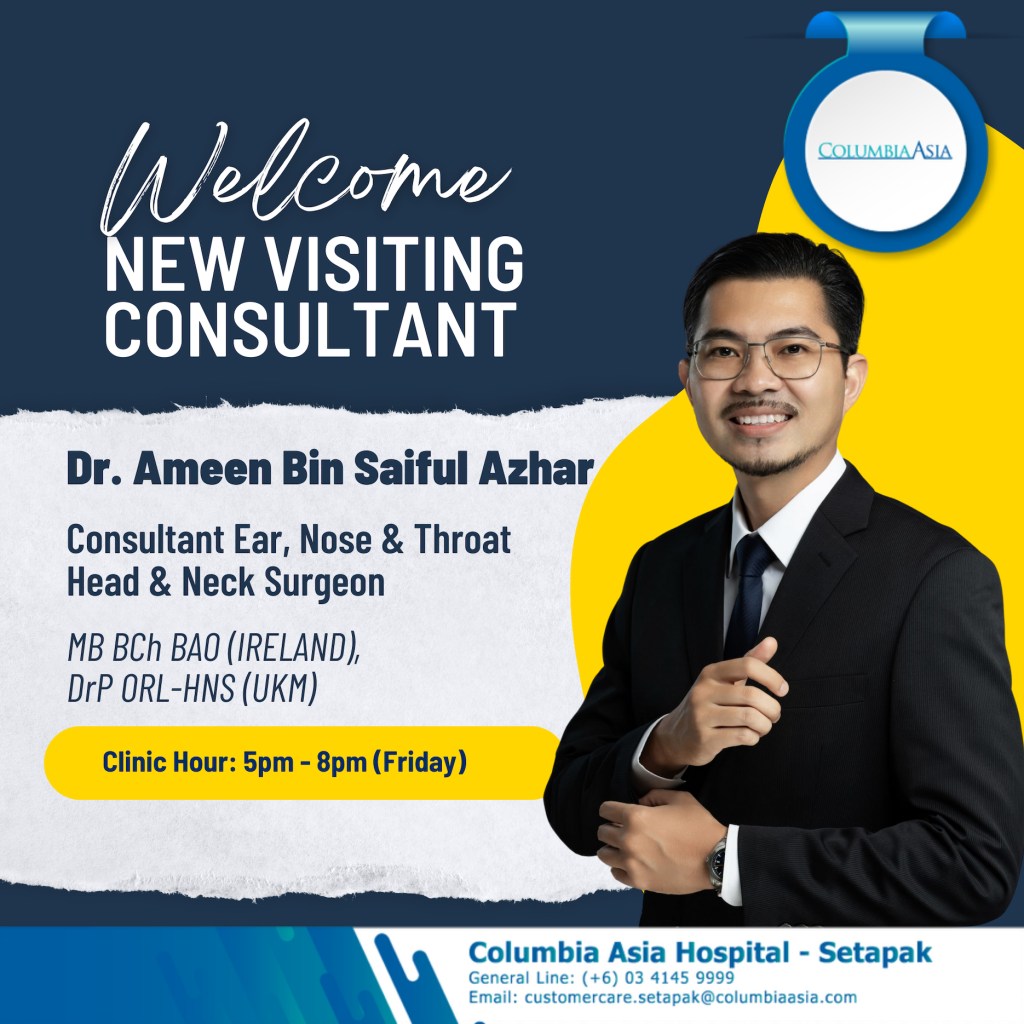







 Dr. Ameen, ENT Specialist in Kuala Lumpur
Leave a comment