



Part 2: Common Signs and Symptoms
If you ask patients in Kuala Lumpur why they came to see an ENT specialist, many will shrug and say, “Doctor, my nose has been acting up for months.” When pressed further, they’ll list a mix of symptoms that seem unrelated at first — sneezing, blocked nose, throat irritation, poor sleep, even fatigue. But when you connect the dots, a familiar picture appears: rhinitis.
Rhinitis doesn’t always announce itself loudly. Sometimes it creeps in quietly, becoming part of daily life until patients forget what “normal breathing” feels like. Let’s break down the common signs and symptoms — including those people often ignore.
The Classic Nasal Symptoms
1. Runny Nose (Rhinorrhoea)
This is one of the hallmark symptoms of rhinitis. The discharge is usually clear and watery, especially in allergic rhinitis. Patients often complain of constantly needing tissues or feeling embarrassed in meetings or social settings.
In Kuala Lumpur’s humid environment, allergens like dust mites thrive, making persistent runny nose a very common complaint among office workers and children alike.
2. Nasal Blockage or Congestion
A blocked nose isn’t just uncomfortable — it changes how you breathe, sleep, and function. Many patients say:
- “Doctor, I can’t breathe properly through my nose.”
- “It’s worse at night.”
- “One side always feels blocked.”
This happens because the inflamed nasal lining swells, narrowing the airflow. Chronic congestion can lead to mouth breathing, snoring, and poor sleep quality.
3. Sneezing Fits
Occasional sneezing is normal. But repeated bouts of sneezing, especially in the morning or when exposed to dust or air-conditioning, strongly suggest rhinitis. Allergic rhinitis, in particular, is notorious for sudden sneezing attacks that seem to come out of nowhere.
4. Nasal Itching
Itching inside the nose — sometimes extending to the throat, ears, or eyes — is another classic symptom. Patients may constantly rub or wiggle their nose (the so-called “allergic salute” in children).
Symptoms Beyond the Nose (Often Overlooked)
Here’s where things get interesting. Rhinitis isn’t just about the nose.
Postnasal Drip
Many patients don’t realise that the constant need to clear the throat, chronic cough, or sensation of mucus dripping at the back of the throat is linked to rhinitis. This is extremely common and frequently mistaken for acid reflux or chronic pharyngitis.
Reduced Sense of Smell
Chronic nasal inflammation can dull the sense of smell. Food tastes bland, and patients may only notice it when they realise they can’t smell perfume, coffee, or smoke properly.
Facial Pressure or Heaviness
While more commonly associated with sinusitis, prolonged nasal congestion from rhinitis can cause a feeling of pressure around the nose, forehead, or eyes — especially during weather changes or haze episodes in Kuala Lumpur.
Sleep Disturbance and Fatigue
Blocked noses worsen at night. This leads to:
- Poor sleep quality
- Snoring
- Daytime tiredness
- Reduced concentration at work or school
Many adults in Klang Valley only realise their rhinitis is a problem when it starts affecting work performance.
Allergic vs Non-Allergic Rhinitis: Symptom Clues
Certain symptoms hint at the underlying cause:
- Itching, sneezing, watery eyes → more suggestive of allergic rhinitis
- Congestion triggered by cold air, pollution, perfume, or air-conditioning → more likely non-allergic rhinitis
However, overlaps are common. This is why self-diagnosis often leads to frustration and ineffective treatment.
Why Ignoring These Symptoms Is a Mistake
Living with untreated rhinitis isn’t harmless. Over time, persistent symptoms can:
- Trigger or worsen sinus infections
- Affect ear pressure and hearing
- Exacerbate asthma
- Reduce overall quality of life
Evidence from rhinology and ENT journals consistently shows that early, targeted treatment improves long-term outcomes.
The Take-Home Message
If these symptoms sound familiar, you’re not alone — especially if you live or work in Kuala Lumpur. Rhinitis is common, but suffering in silence shouldn’t be.
👉 In Part 3, we’ll explore the causes and risk factors, including why some people are more prone to rhinitis than others.

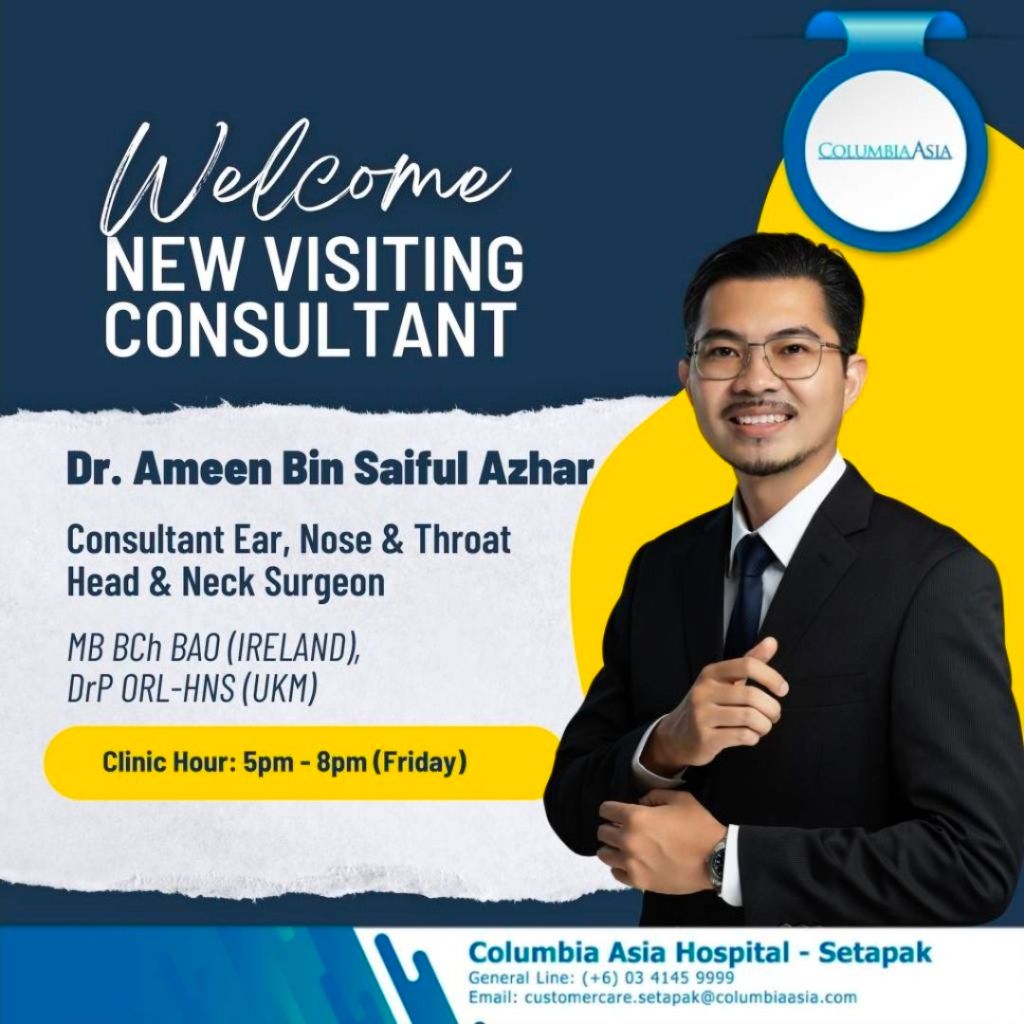

If nasal symptoms are becoming part of your daily routine, it’s time to take them seriously. A personalised assessment by an experienced ENT specialist can identify the cause of your rhinitis and restore comfortable breathing.


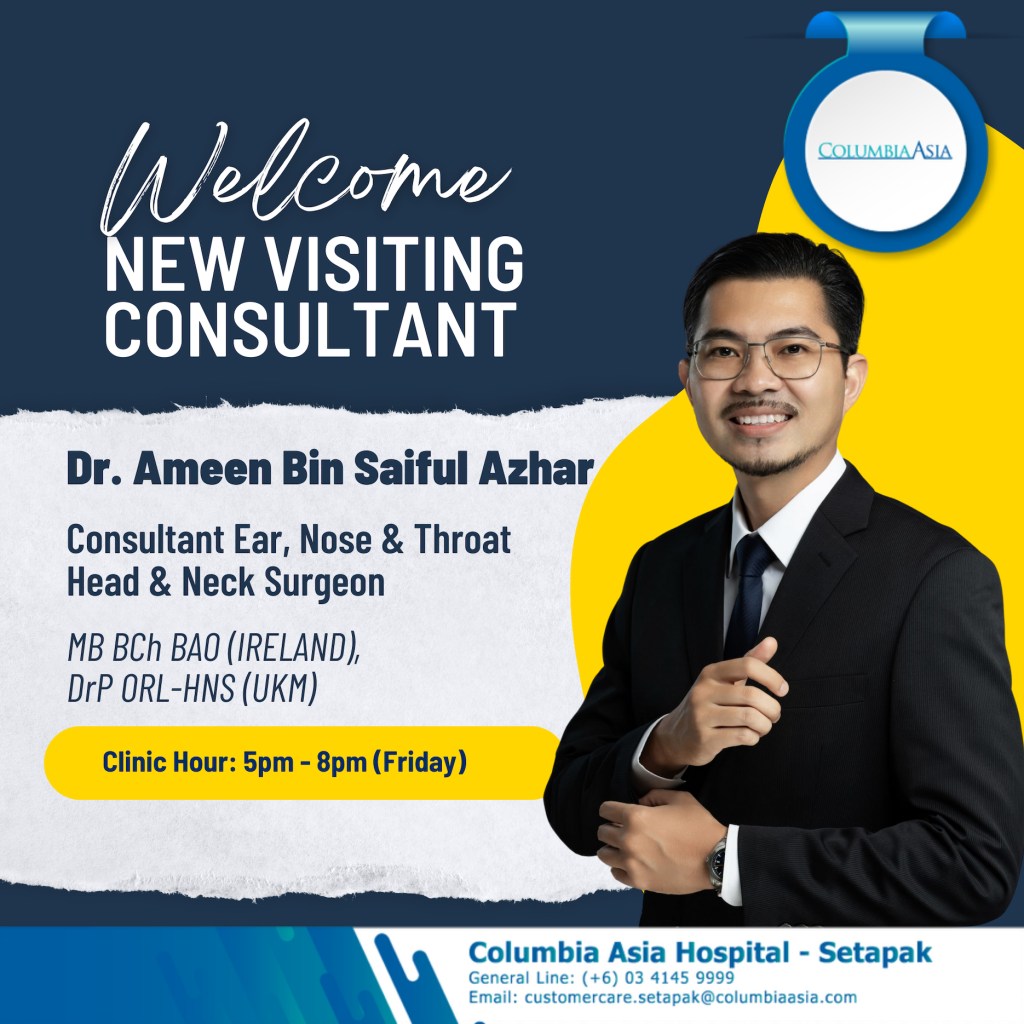







 Dr. Ameen, ENT Specialist in Kuala Lumpur
Leave a comment