



Part 5: Diagnosis and Investigations
By the time patients reach this stage, many say the same thing: “Doctor, I’ve tried so many medications — why isn’t this getting better?” The answer is usually simple. Rhinitis wasn’t properly diagnosed in the first place.
Diagnosing rhinitis isn’t about guessing or trial-and-error. It’s about understanding what type of rhinitis you have, what triggers it, and whether other nasal conditions are hiding underneath. In a city like Kuala Lumpur, where allergens and irritants are everywhere, a structured ENT assessment makes all the difference.
Step One: A Detailed Clinical History
The most powerful diagnostic tool is still a good conversation.
An ENT specialist will ask about:
- How long symptoms have been present
- Whether they are seasonal or year-round
- Triggers such as dust, air-conditioning, pollution, or pets
- Symptom timing (worse in the morning, at night, or at work)
- Family history of allergies or asthma
- Medication use, especially nasal sprays
Many patients are surprised at how these details point clearly toward allergic or non-allergic rhinitis.
Step Two: Nasal Examination
A proper nasal examination goes beyond a quick look.
Anterior Rhinoscopy
This allows assessment of:
- Nasal lining colour and swelling
- Presence of excess mucus
- Structural issues such as deviated septum
Pale, swollen mucosa often suggests allergic rhinitis, while red, congested mucosa may point toward irritation or infection.
Nasal Endoscopy (When Needed)
In persistent or complicated cases, a nasal endoscope may be used. This thin camera provides a clear view of:
- Turbinates
- Nasal septum
- Drainage pathways
- Signs of chronic inflammation or polyps
This is particularly useful for patients with long-standing nasal blockage or reduced sense of smell.
Allergy Testing: When Is It Useful?
Skin Prick Testing
This test identifies specific allergens such as:
- House dust mites
- Pet dander
- Mould spores
It’s especially helpful in patients with moderate to severe allergic rhinitis or those considering long-term preventive strategies.
Blood Tests (Specific IgE)
Blood tests may be used when skin testing isn’t suitable, such as in patients with skin conditions or those on certain medications.
Identifying triggers allows for targeted avoidance strategies, which are crucial in Kuala Lumpur’s indoor-heavy lifestyle.
When Imaging Is Required
Routine scans are not always necessary for rhinitis. However, imaging such as a CT scan of the sinuses may be indicated if:
- Symptoms suggest chronic sinusitis
- There is facial pain or pressure
- Nasal polyps are suspected
- Surgery is being considered
Imaging helps differentiate rhinitis from other conditions that may require different management.
Distinguishing Rhinitis from Similar Conditions
Several conditions mimic rhinitis:
- Chronic sinusitis
- Deviated nasal septum
- Nasal polyps
- Adenoid hypertrophy (in children)
This is why ENT evaluation is crucial. Treating rhinitis alone won’t help if another condition is the real cause.
Why Proper Diagnosis Saves Time and Frustration
Accurate diagnosis:
- Prevents unnecessary medication use
- Reduces symptom recurrence
- Improves long-term control
- Avoids complications
Patients often feel relief simply knowing what they’re dealing with.
👉 In Part 6, we’ll discuss treatment and management options, from lifestyle changes to medications and advanced therapies.


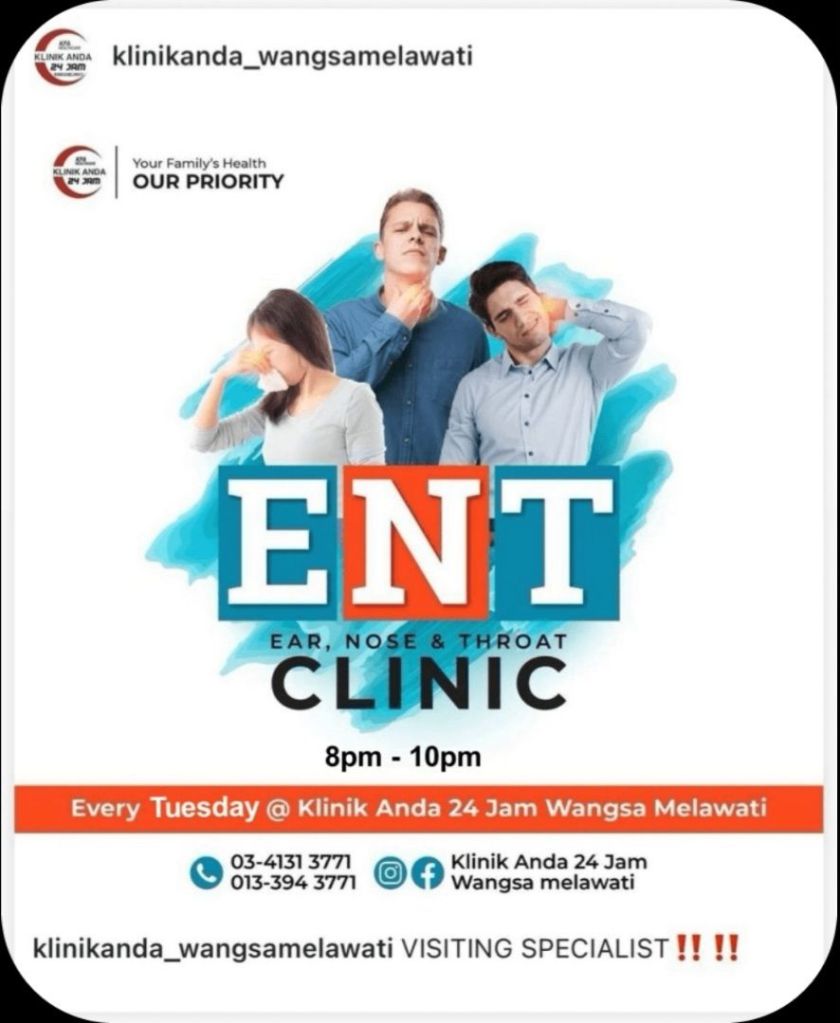
If treatments haven’t worked or symptoms keep recurring, it’s time for clarity. A comprehensive ENT evaluation can identify the exact cause of your rhinitis and guide effective, long-term management.




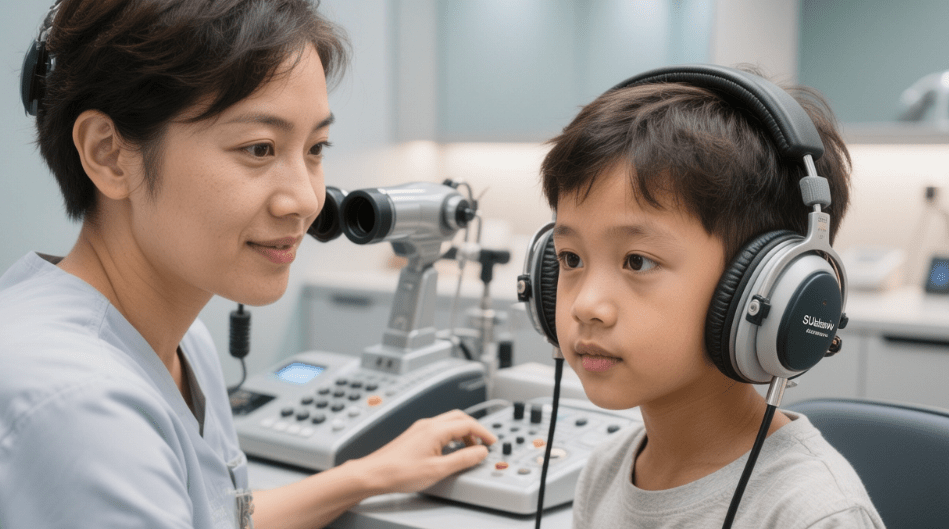
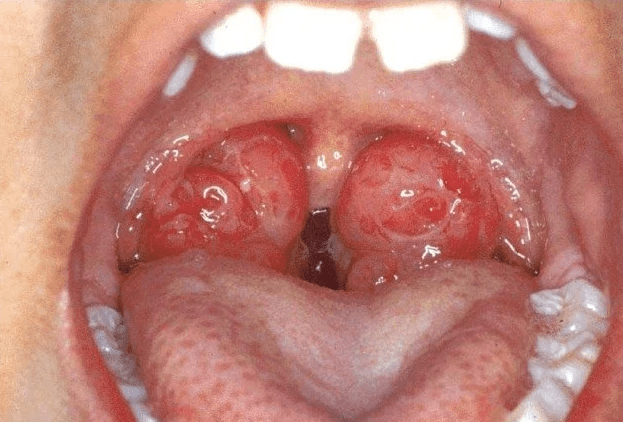




 Dr. Ameen, ENT Specialist in Kuala Lumpur
Leave a comment