



Part 7: Prevention and Long-Term Outlook
By this point, one thing should be clear: rhinitis is common, but it doesn’t have to control your life. Many people in Kuala Lumpur accept nasal symptoms as something they must “live with.” The truth? With the right strategy, rhinitis can be prevented, controlled, and kept from becoming a chronic burden.
Prevention isn’t about avoiding life — it’s about making smart, sustainable adjustments that protect your nose in the long run.
Preventing Rhinitis Flare-Ups in Daily Life
Create a Nose-Friendly Home Environment
In Kuala Lumpur’s humid climate, indoor allergens are often the biggest problem.
Simple preventive measures include:
- Using dust-mite–proof bedding
- Washing pillows and bedsheets weekly
- Keeping bedrooms well-ventilated
- Servicing air-conditioning units regularly
- Reducing clutter that collects dust
These small changes reduce daily allergen exposure and make medical treatment more effective.
Smart Habits That Protect the Nasal Lining
Your nose is your body’s first air filter — treat it well.
- Avoid unnecessary exposure to cigarette smoke
- Use saline nasal sprays after heavy pollution or haze exposure
- Limit strong perfumes and cleaning chemicals
- Stay well-hydrated to keep nasal mucus healthy
Think of nasal care like skincare — gentle, consistent maintenance works best.
Medication Adherence: The Game Changer
One of the biggest reasons rhinitis becomes chronic is inconsistent treatment.
Many patients stop medication once they feel better. Unfortunately, inflammation returns quietly before symptoms become obvious again.
Long-term control depends on:
- Using nasal sprays correctly
- Continuing treatment as advised
- Attending follow-up reviews
When used properly, modern rhinitis medications are safe for long-term use and supported by strong evidence in ENT literature.
Preventing Complications
Well-controlled rhinitis helps prevent:
- Chronic sinusitis
- Recurrent ear problems
- Sleep disturbance and snoring
- Poor asthma control
This is why ENT specialists view rhinitis as a foundation condition — managing it well protects the rest of the airway.
Long-Term Outlook: What Patients Can Expect
Here’s the reassuring part.
Most patients with rhinitis:
- Achieve excellent symptom control
- Live normal, active lives
- Reduce dependence on medications over time
- Learn to recognise and avoid triggers early
Even in a challenging urban environment like Kuala Lumpur, outcomes are generally very good with the right approach.
Rhinitis may be long-term, but suffering doesn’t have to be.
A Final Word from Your ENT Specialist
Rhinitis is often underestimated, misunderstood, and mistreated. But when approached correctly — with proper diagnosis, evidence-based treatment, and preventive care — it becomes a manageable condition rather than a daily frustration.
If you’ve followed this 7-part series, you now understand rhinitis better than most patients walking into clinic — and that knowledge alone puts you ahead.

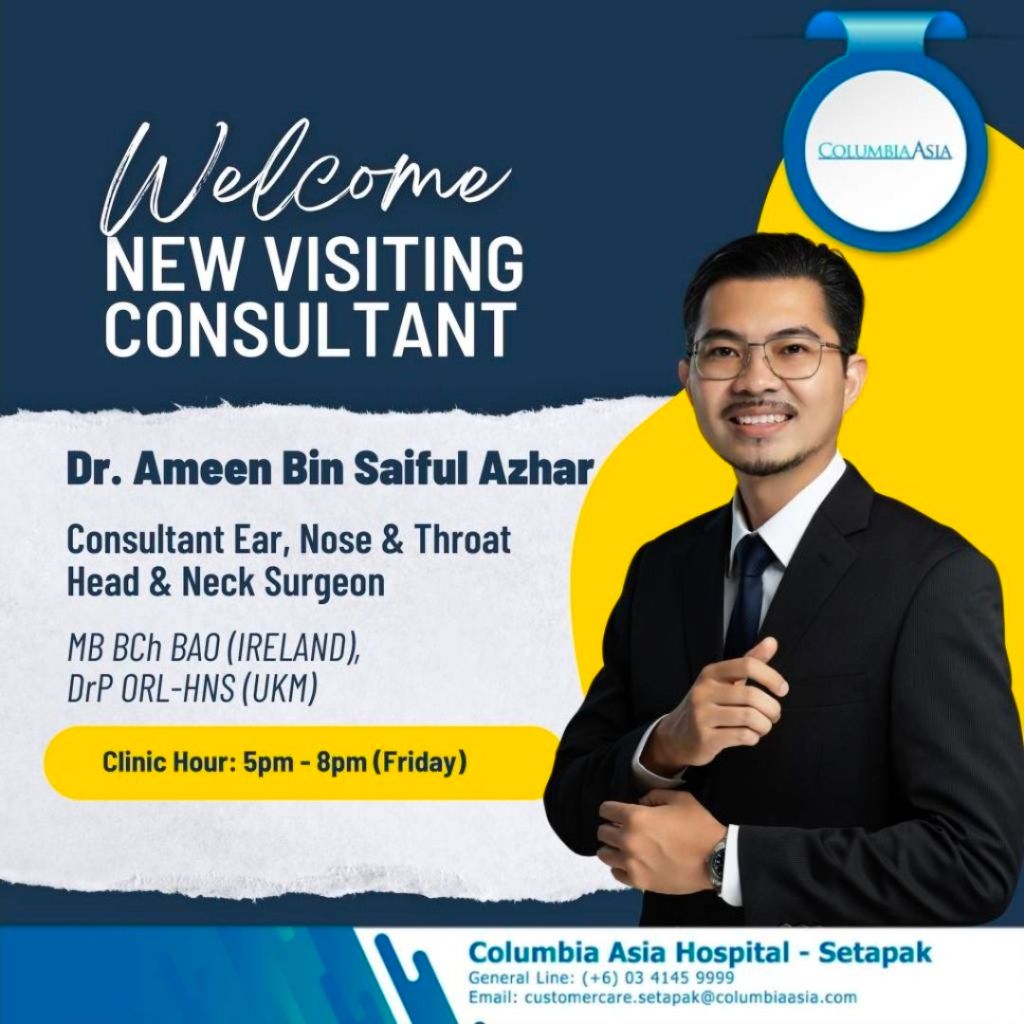

If you’re ready to stop reacting to symptoms and start preventing them, consult an experienced ENT specialist for a personalised, long-term rhinitis management plan. Comfortable breathing is not a luxury — it’s your baseline.










 Dr. Ameen, ENT Specialist in Kuala Lumpur
Leave a comment