


PART 2: Common Signs and Symptoms of Tonsillitis
Explained by an ENT Specialist in Kuala Lumpur
Have you ever tried to swallow your saliva and felt a sharp, burning pain shoot through your throat? Or noticed your child refusing food, speaking less, and running a fever? These are classic moments when tonsillitis quietly announces itself.
Tonsillitis doesn’t always arrive with a dramatic entrance. Sometimes it creeps in like an unwanted guest. Other times, it hits hard and fast. Understanding the common signs and symptoms helps you recognise when a simple sore throat has crossed the line into something that deserves proper ENT attention.
The Hallmark Symptom: Sore Throat That Doesn’t Feel “Normal”
Almost everyone has had a sore throat before. But tonsillitis pain is different.
Patients often describe it as:
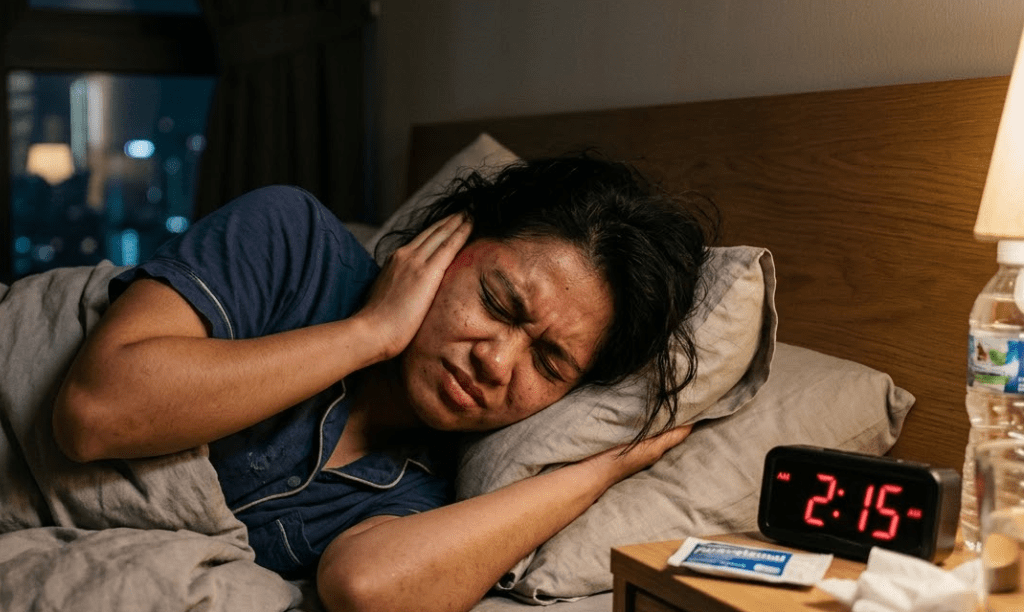
- Sharp or stabbing pain when swallowing
- Pain radiating to the ears
- A constant raw or burning sensation
In clinical ENT practice, sore throat from tonsillitis tends to worsen rapidly over 24–48 hours. Drinking water may hurt. Eating solid food becomes a challenge. Even speaking can feel uncomfortable.
If you’re thinking, “This feels worse than my usual flu sore throat,” you’re probably right.
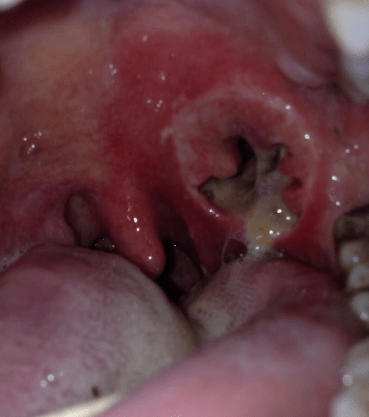
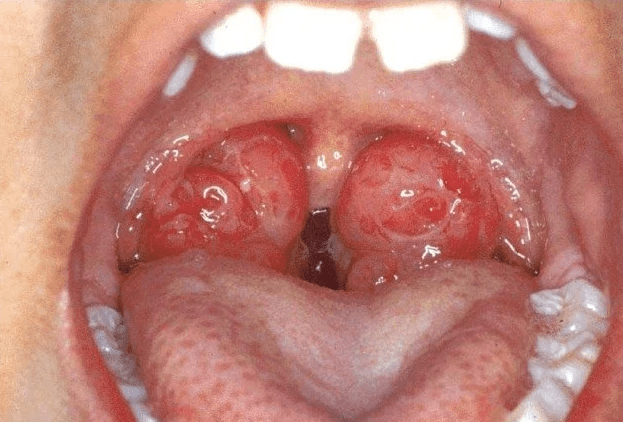
Swollen, Red, or White-Spotted Tonsils
One of the most telling signs is what we see when we look into the throat.
Healthy tonsils are pink and relatively small. In tonsillitis, they may become:
- Enlarged and angry red
- Covered with white or yellow patches (exudates)
- Asymmetrical (one side bigger than the other)
Parents in Kuala Lumpur often tell me, “Doctor, I saw white dots at the back of my child’s throat.” That observation is important—but it doesn’t automatically mean antibiotics are needed. Viral tonsillitis can look just as dramatic.
This is where ENT expertise matters.
Fever and General Unwellness
Fever is common, especially in acute tonsillitis.
You may experience:
- Low- to high-grade fever
- Chills
- Body aches
- Headache
- Fatigue or lethargy
Children may become unusually quiet or irritable. Adults often try to “push through” work or meetings, only to feel completely drained by evening. That overwhelming tiredness isn’t laziness — it’s your immune system working overtime.
Difficulty Swallowing and Reduced Appetite
Painful swallowing (odynophagia) is one of the biggest quality-of-life disruptors in tonsillitis.
In children, this often shows up as:
- Refusal to eat or drink
- Drooling
- Crying during meals
In adults, dehydration becomes a real risk because drinking hurts. This is particularly concerning in hot and humid climates like Kuala Lumpur, where fluid needs are already higher.
Bad Breath (Halitosis) That Doesn’t Go Away
Persistent bad breath is a symptom many patients feel embarrassed to mention — but it’s surprisingly common.
Inflamed tonsils can trap bacteria, dead cells, and debris within their crypts (small pockets). This leads to:
- Foul-smelling breath
- A bad taste in the mouth
- Sometimes visible tonsil stones (tonsilloliths)
If mouthwash isn’t helping, the problem may be deeper than dental hygiene.

Neck Pain and Swollen Lymph Nodes
Tonsillitis often triggers swelling of lymph nodes in the neck, especially just below the jaw.
Patients may notice:
- Tender lumps on one or both sides of the neck
- Pain when turning the head
- Neck stiffness
This is a normal immune response — but persistent or severe swelling should always be assessed by an ENT specialist to rule out complications.
Voice Changes and Snoring (Especially in Children)
Enlarged tonsils can alter airflow through the throat.
Common effects include:
- Muffled or “hot potato” voice
- Loud snoring
- Mouth breathing during sleep
- Restless or poor-quality sleep
In Kuala Lumpur, many parents bring children for snoring, not realising recurrent tonsillitis is the root cause. Poor sleep affects school performance, behaviour, and overall growth.
Red Flags You Should Never Ignore
While most cases are straightforward, seek urgent ENT assessment if there is:
- Severe pain on one side of the throat
- Difficulty opening the mouth
- Drooling with inability to swallow
- Muffled speech with high fever
- Worsening symptoms despite treatment
These may signal a peritonsillar abscess (quinsy) — a known ENT emergency.
If you or your child are experiencing painful swallowing, fever, swollen tonsils, or recurring sore throat, don’t wait for it to worsen.
👉 Book an ENT consultation with me for a precise diagnosis and targeted treatment—so your recovery is faster, safer, and more effective.










 Dr. Ameen, ENT Specialist in Kuala Lumpur
Leave a comment