



PART 3: Causes and Risk Factors of Tonsillitis
Insights from Dr Ameen, ENT Specialist in Kuala Lumpur
One of the most common questions I hear in clinic is:
“Doctor, why do I keep getting tonsillitis?”
It’s a fair question. After all, not everyone around you gets repeated throat infections, yet you or your child seem to catch it again and again. The answer lies in understanding what causes tonsillitis and which factors quietly increase your risk, especially in an urban environment like Kuala Lumpur.
Let’s unpack this clearly, without medical jargon overload.
The Real Cause: Infection of the Tonsils
At its core, tonsillitis happens when infectious organisms overwhelm the tonsils’ defence system. These organisms fall into two main categories: viruses and bacteria.
1. Viral Causes – The Most Common Culprit
Medical evidence from ENT and infectious disease journals consistently shows that most cases of tonsillitis are viral.
Common viruses include:
- Adenovirus
- Influenza (flu)
- Parainfluenza
- Rhinovirus (common cold)
- Epstein–Barr virus (infectious mononucleosis)
Viral tonsillitis often spreads through:
- Coughing or sneezing
- Sharing utensils or drinks
- Close contact in schools, offices, or public transport
In Kuala Lumpur, where children sit in air-conditioned classrooms and adults commute daily on crowded trains, viral transmission is almost inevitable.
Here’s the key takeaway:
👉 Antibiotics do NOT treat viral tonsillitis.
This is why proper diagnosis matters.
2. Bacterial Causes – Less Common but More Concerning
The most well-known bacterial cause is Group A beta-haemolytic Streptococcus (GAS).
Bacterial tonsillitis tends to cause:
- Sudden onset severe sore throat
- High fever
- White patches on tonsils
- Tender neck lymph nodes
- Minimal cough
Why do ENT specialists pay close attention to this? Because untreated streptococcal infections can, in rare cases, lead to complications such as rheumatic fever or kidney inflammation.
That said, not every severe-looking throat is bacterial — and not every bacterial infection needs aggressive treatment. This is where clinical judgement and testing come in.
Why Some People Get Tonsillitis More Often
Here’s where risk factors enter the picture.
Age: Children and Teenagers Are More Vulnerable
Tonsillitis is most common in:
- Children aged 3–12 years
- Teenagers and young adults
Why? Their immune systems are still “learning,” and their tonsils are more active and prominent. In many Kuala Lumpur households, siblings pass infections back and forth without realising it.
Frequent Exposure to Infections
You’re at higher risk if you:
- Work in childcare, education, or healthcare
- Have school-going children
- Spend long hours in shared indoor spaces
- Use public transport daily
This explains why I see clusters of cases from the same family or workplace.
Environmental Factors in Kuala Lumpur
Our local environment plays a bigger role than many people realise.
Contributing factors include:
- Constant air-conditioning drying out throat mucosa
- Exposure to air pollution and haze
- Sudden temperature changes (hot outdoors → cold indoors)
- Poor indoor air circulation
A dry, irritated throat is easier for viruses and bacteria to invade.
Smoking and Second-Hand Smoke
Smoking weakens the protective lining of the throat and reduces local immunity.
Even non-smokers are affected:
- Children exposed to second-hand smoke
- Adults living with smokers
In ENT practice, smokers often have more severe symptoms and slower recovery.
Poor Sleep, Stress, and Low Immunity
Let’s be honest — life in Kuala Lumpur is busy.
Chronic stress, poor sleep, and irregular meals weaken the immune system. When immunity dips, tonsils become an easy target.
If you’re constantly exhausted and falling sick, tonsillitis may just be your body waving a red flag.
Why Tonsillitis Becomes Recurrent
Recurrent tonsillitis isn’t just “bad luck.”
It may be due to:
- Incomplete eradication of infection
- Repeated viral exposure
- Deep tonsillar crypts trapping bacteria
- Underlying nasal obstruction or mouth breathing
- Enlarged tonsils acting as a chronic infection reservoir
This is where an ENT assessment becomes crucial. Treating symptoms alone won’t break the cycle.
If tonsillitis keeps returning despite treatment, it’s time to stop guessing.
👉 Book an ENT consultation with me to identify the root cause and create a long-term solution tailored to you or your child.

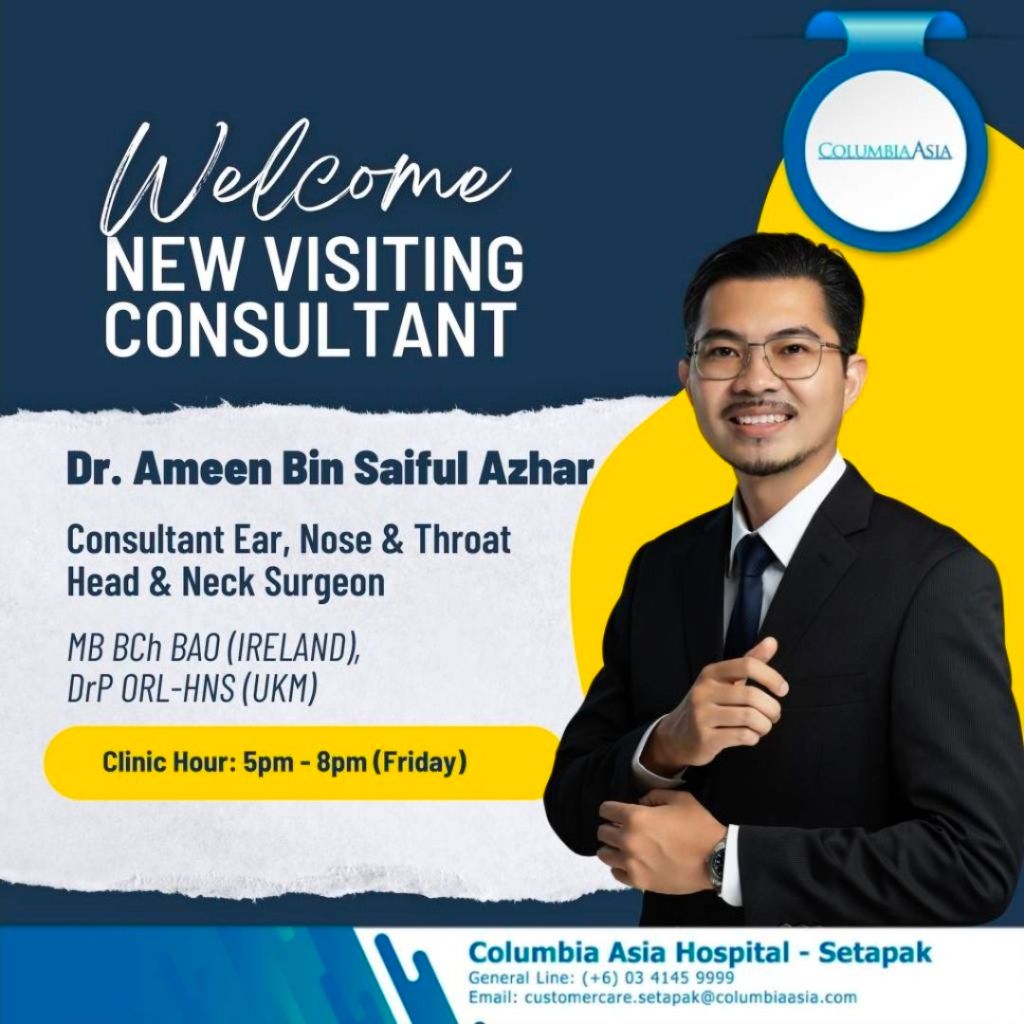











 Dr. Ameen, ENT Specialist in Kuala Lumpur
Leave a comment