


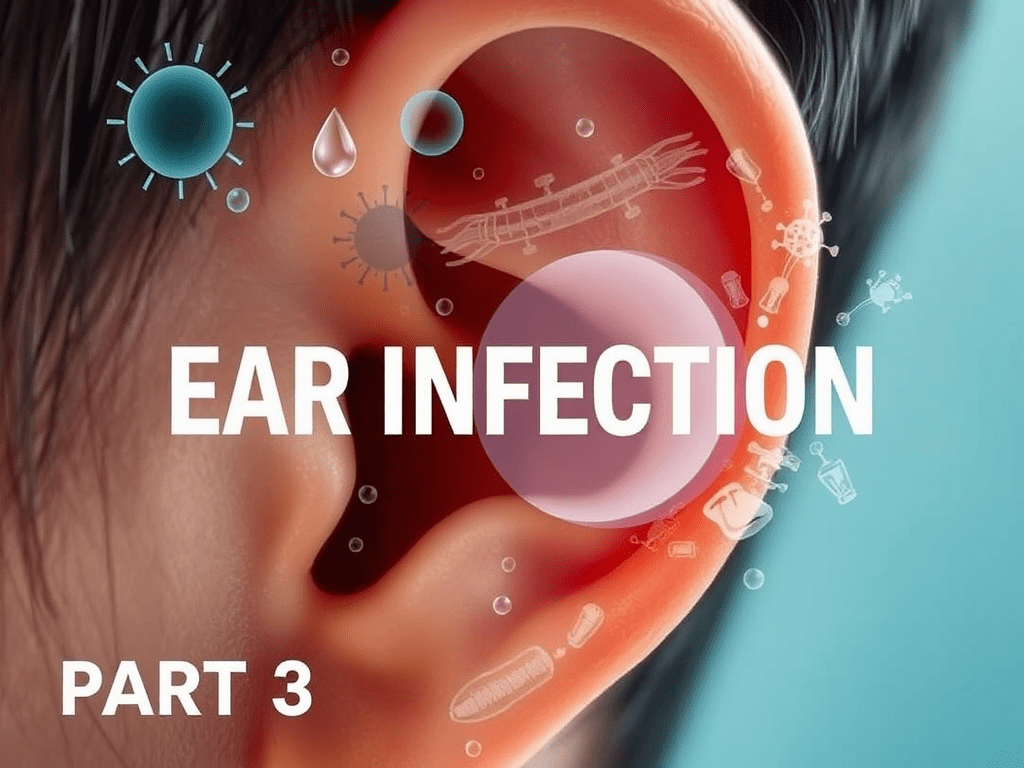
Causes and Risk Factors of Ear Infection: Why Does It Happen So Often in Kuala Lumpur?
Ever wondered why ear infections seem to strike more often than you’d expect? One week it’s ear pain, another week it’s discharge or blocked hearing — and suddenly, everyone around you seems to have the same complaint.
That’s not your imagination.
As an ENT specialist practising in Kuala Lumpur, I can confidently say this: our environment, lifestyle, and habits play a massive role in ear infections. And once you understand the causes, prevention suddenly becomes much clearer.
Let’s unpack it.
The Core Cause: Infection Thrives When the Ear Loses Its Natural Defence
Your ear is surprisingly good at protecting itself. Earwax, skin lining, and ventilation pathways all work together like a security system. Trouble begins when that system breaks down.
Most ear infections are caused by:
- Bacteria (common in persistent or severe infections)
- Viruses (often linked to flu or colds)
- Fungi (especially in humid climates like Malaysia)
But microorganisms alone aren’t the full story. They usually take advantage of underlying risk factors.
Humidity: Kuala Lumpur’s Silent Contributor
Malaysia’s hot and humid climate is one of the biggest risk factors for ear infections — especially outer ear infections.
Moisture trapped in the ear canal:
- Softens the skin
- Disrupts the protective barrier
- Creates the perfect breeding ground for bacteria and fungi
This is why swimmers, gym-goers, and people who sweat heavily are more prone to swimmer’s ear, even if they don’t actually swim.

Upper Respiratory Infections and Sinus Problems
Middle ear infections rarely start in the ear.
They usually begin in the:
- Nose
- Sinuses
- Throat
A simple cold can cause swelling of the Eustachian tube, trapping fluid behind the eardrum. Once fluid stagnates, infection follows — especially in children.
In Kuala Lumpur, frequent exposure to:
- Viral infections
- Allergic rhinitis
- Air pollution
makes this pathway extremely common.
Allergies and Air Quality
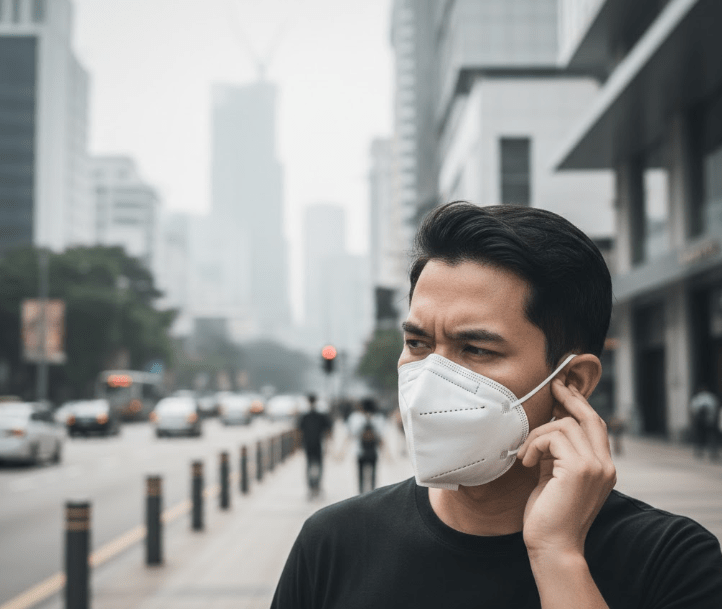
Chronic nasal allergies are a major but underestimated risk factor.
Allergic inflammation leads to:
- Persistent nasal blockage
- Poor middle ear ventilation
- Fluid accumulation
Air pollution, haze, and traffic-related irritants worsen this cycle — a reality many Klang Valley residents live with daily.
Risk Factors Related to Ear Habits
This is where many patients unintentionally cause harm.
Common habits that increase risk:
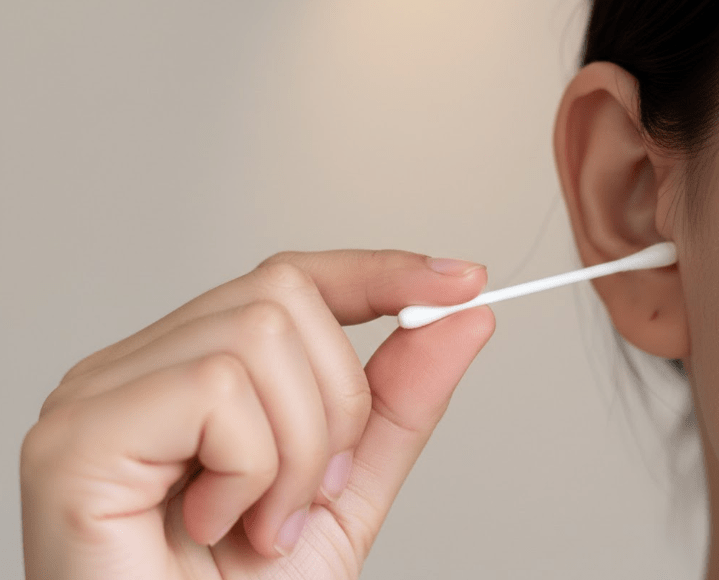
- Using cotton buds (pushes wax deeper and injures skin)
- Frequent ear picking
- Overuse of earphones and earbuds
- Sharing ear devices
- Self-cleaning with sharp objects
If I had one message to repeat endlessly: the ear is self-cleaning — interference causes problems.
Children: Why They Are More Vulnerable
Children are not just “small adults.”
They have:
- Shorter, more horizontal Eustachian tubes
- Immature immune systems
- Frequent exposure in schools and nurseries
Add bottle-feeding while lying flat, pacifier use, and daycare exposure — and the risk increases further.
Medical Conditions That Increase Risk
Certain conditions make ear infections more severe or persistent:
- Diabetes mellitus
- Weakened immune systems
- Chronic skin conditions (eczema, psoriasis)
- Structural ear abnormalities
- History of recurrent ear infections
These patients require earlier ENT involvement, not delayed care.
ENT Specialist Insight (Real-World Experience)
Many patients ask me, “Doctor, why does it keep coming back?”
Recurrent ear infections are often a sign of:
- An untreated nasal or sinus problem
- Persistent allergy
- Inappropriate antibiotic use
- Incomplete treatment
- Wrong diagnosis
Fix the cause, and the infection stops recurring. It’s that simple — and that complex.

👉 If you’re experiencing repeated ear infections, blocked ears, or ear discharge, it’s time to look deeper. Book a comprehensive ENT consultation with me to identify the root cause and stop the cycle for good.










 Dr. Ameen, ENT Specialist in Kuala Lumpur
Leave a comment