



How ENT Specialists Diagnose Ear Infections: What Really Happens During Assessment
Many patients walk into my clinic in Kuala Lumpur expecting a quick look into the ear and a prescription. What they don’t realise is that accurate diagnosis is the most important step in treating ear infections properly.
Why? Because ear symptoms often look the same — but the causes are very different.
Blocked ears, pain, discharge, hearing loss, dizziness — these could be infection, wax, allergy, fluid, inflammation, or something more serious. Treating the wrong problem leads to recurrent infections, antibiotic resistance, and long-term damage.
So let me take you behind the scenes.

Step 1: Listening to the Story (Yes, It Matters)
Before any equipment comes out, the first diagnostic tool is your history.
I look for clues such as:
- Duration of symptoms
- Pain severity and pattern
- Presence of discharge
- Hearing changes
- Recent flu, sinus infection, or swimming
- Previous ear problems
- Medical conditions like diabetes
- Response to previous treatments
Often, the diagnosis starts forming before I even examine the ear.
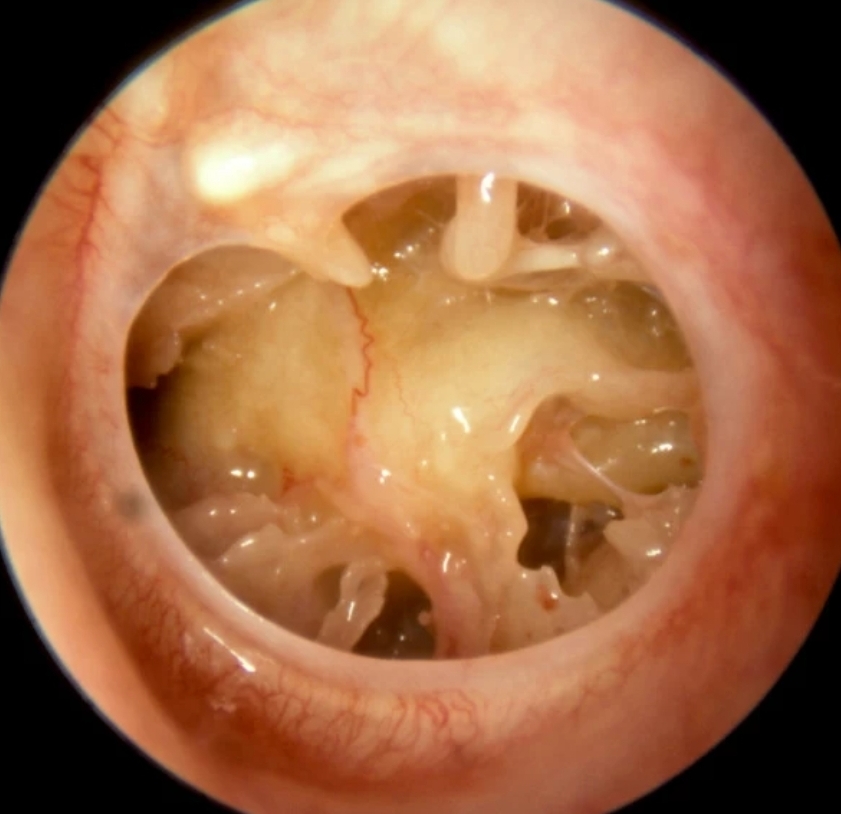
Step 2: Ear Examination — More Than Just a Quick Look
A proper ear examination is not rushed.
Using specialised ENT equipment, I assess:
- The ear canal condition
- Swelling or skin changes
- Presence of discharge or fungal debris
- The eardrum’s colour, position, and movement
- Signs of fluid or pressure behind the eardrum
This step alone differentiates:
- Outer vs middle ear infection
- Active infection vs healing phase
- Infection vs wax or eczema
This is where experience truly matters.

Step 3: Hearing Assessment When Needed
Not all ear infections affect hearing — but many do.
Hearing tests may be recommended if:
- Hearing feels persistently reduced
- Ear fluid is suspected
- Infections are recurrent
- There is concern in children’s speech development
Objective hearing assessment helps:
- Confirm severity
- Monitor recovery
- Decide if further treatment is required

Step 4: When Are Additional Tests Required?
Most ear infections do not need extensive tests. However, investigations may be necessary if:
- Symptoms persist despite treatment
- Discharge is chronic
- Infections keep recurring
- There are red-flag symptoms
Additional tests help rule out:
- Chronic ear disease
- Complications
- Unusual organisms
- Structural problems
Step 5: The Importance of Correct Diagnosis
Here’s the uncomfortable truth:
Not every ear infection needs antibiotics.
Over-treatment causes:
- Resistant bacteria
- Fungal overgrowth
- Chronic inflammation
- Recurrent symptoms
Correct diagnosis ensures:
- Targeted treatment
- Faster recovery
- Fewer recurrences
- Protection of hearing

Why Self-Diagnosis Fails
Online advice cannot:
- Examine your eardrum
- Assess ear canal skin
- Detect fluid movement
- Evaluate hearing objectively
Which is why persistent or unclear symptoms should always be reviewed by an ENT specialist.
ENT Specialist Insight (Trust Built on Experience)
Every ear tells a story — but only if you know how to read it.
Accurate diagnosis isn’t about more medication. It’s about understanding the problem properly from the start.

👉 If your ear symptoms are persistent, recurrent, or unclear, book a detailed ENT consultation with me for an accurate diagnosis and the right investigations — not guesswork.












 Dr. Ameen, ENT Specialist in Kuala Lumpur
Leave a comment