



Treatment and Management Options for Ear Infections: How ENT Specialists Approach It
Ear infections are painful, annoying, and often disruptive to work, sleep, or school. Many patients ask me in Kuala Lumpur:
“Doctor, will I need antibiotics?”
The answer isn’t always straightforward. Treatment depends on type of ear infection, severity, age, medical history, and risk factors. As an ENT specialist, I aim for targeted, evidence-based treatment, avoiding unnecessary antibiotics and focusing on faster recovery and prevention of recurrence.
1. Symptomatic Relief: The First Step
Most ear infections, especially mild viral ones, benefit from comfort-focused care first. This can include:
- Over-the-counter pain relievers (paracetamol or ibuprofen)
- Warm compress on the affected ear
- Adequate hydration and rest
- Avoiding water entry into the ear canal
- Using ear drops if prescribed for outer ear irritation
Many patients underestimate the value of simple supportive care, but it often makes a significant difference while the body fights the infection.


2. Antibiotics: When They Are Truly Needed
Not all ear infections require antibiotics. In fact, over-prescribing can cause resistance, side effects, and recurrent infections.
Antibiotics are indicated if:
- There’s bacterial middle ear infection (otitis media) with significant pain or fever
- Persistent ear discharge suggesting bacterial outer ear infection (otitis externa)
- High-risk groups such as children under 2, diabetics, or immunocompromised patients
The choice of antibiotic depends on age, allergy status, and the suspected organism. Topical antibiotics are often sufficient for outer ear infections, while systemic antibiotics may be needed for middle ear infections.

3. Ear Cleaning and Drainage
For outer ear infections with debris or discharge, professional ear cleaning in the clinic can accelerate recovery.
Middle ear infections with fluid may sometimes require:
- Ear drops with steroids (for inflammation)
- Myringotomy (minor procedure to drain persistent fluid, rarely required)
I emphasise: never attempt deep ear cleaning at home, as it can worsen infection or perforate the eardrum.
4. Addressing Underlying Causes
Treating the infection alone isn’t enough. To prevent recurrence, ENT management also focuses on:
- Allergies (antihistamines, nasal sprays)
- Sinus or nasal blockage (decongestants, ENT procedures if needed)
- Hygiene habits (avoid cotton buds, earphones for long hours, keeping ears dry)
This holistic approach is crucial in humid Kuala Lumpur, where environmental and lifestyle factors increase the risk of repeated infections.

5. Monitoring and Follow-Up
Recovery should always be followed by monitoring:
- Hearing checks if fluid was present
- Re-evaluation of persistent or recurrent symptoms
- Prevention advice for future infections
In children, follow-up ensures speech, hearing, and school performance are not affected by repeated infections.
6. When Advanced Intervention Is Needed
Some ear infections become chronic or complicated, requiring ENT procedures:
- Ventilation tubes (grommets) for recurrent fluid or infection
- Surgical cleaning for chronic discharge
- Management of complications like mastoiditis (rare but serious)
These are uncommon in most Kuala Lumpur patients but underline the importance of early specialist intervention.
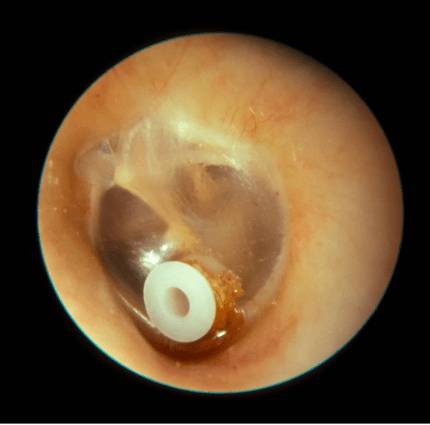
ENT Specialist Insight
The best treatment isn’t just medicine — it’s accurate diagnosis, targeted therapy, and prevention.
Patients who delay care often end up with recurrent infections, prolonged hearing loss, and unnecessary antibiotics. Early ENT consultation ensures safe, effective, and customised care.

👉 If you or your child have ear pain, discharge, or recurrent infections, don’t wait. Book an ENT consultation with me in Kuala Lumpur for precise treatment, faster recovery, and expert guidance to prevent recurrence.










 Dr. Ameen, ENT Specialist in Kuala Lumpur
Leave a comment