


PART 1: What Is Neck Swelling?
Neck swelling is one of those symptoms that instantly raises concern. You notice a lump while shaving, a fullness when swallowing, or a visible swelling in the mirror — and suddenly your mind races. Is it an infection? A thyroid problem? Or something more serious?

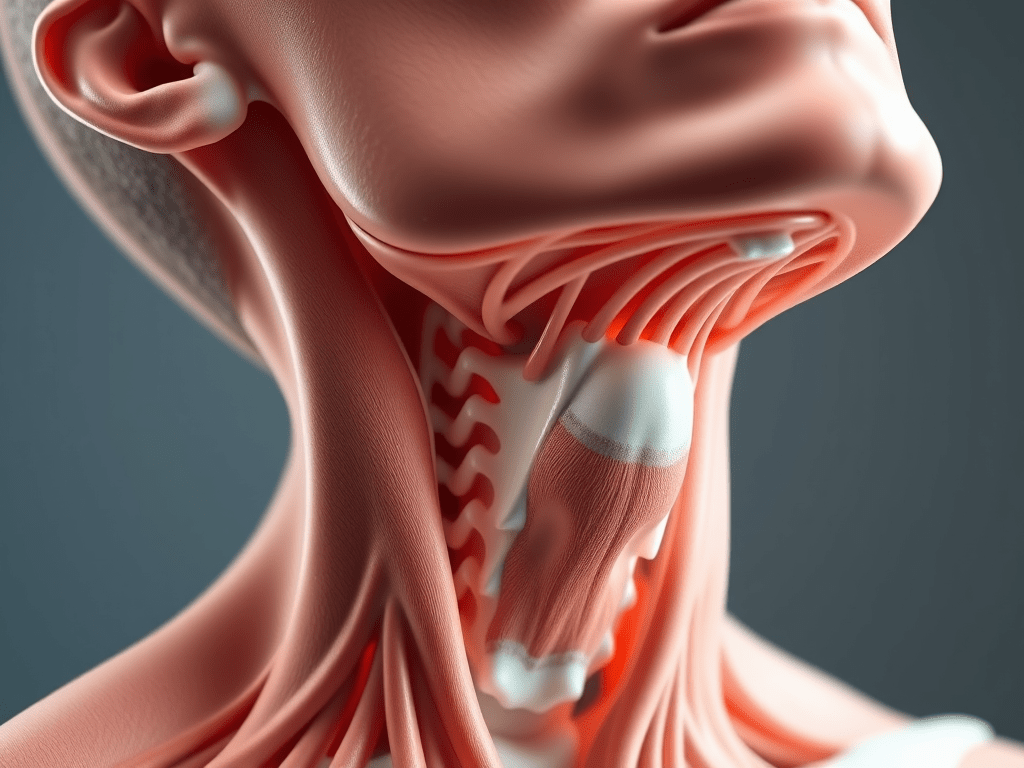
In medical terms, neck swelling refers to any abnormal lump, mass, or enlargement in the neck, whether sudden or gradual, painful or painless. From an ENT (Ear, Nose & Throat) specialist’s perspective, the neck is a crowded neighbourhood — packed with lymph nodes, salivary glands, thyroid gland, muscles, blood vessels, nerves, and air-digestive structures. When something goes wrong in any of these, swelling may appear.
Think of the neck like a busy highway interchange. When traffic flows smoothly, you barely notice it. But one accident — infection, inflammation, or abnormal growth — and congestion shows up fast.

Why Neck Swelling Matters
Not all neck swellings are dangerous — but every neck swelling deserves attention. Some are short-lived and harmless, while others can be early warning signs of serious ENT or head and neck conditions.
From clinical experience and published ENT literature, neck swellings generally fall into three broad categories:
- Inflammatory or Infectious
- Congenital or Developmental
- Neoplastic (Benign or Malignant)
Understanding which category a swelling fits into helps determine urgency, investigations, and treatment.

Common Types of Neck Swelling (ENT Perspective)
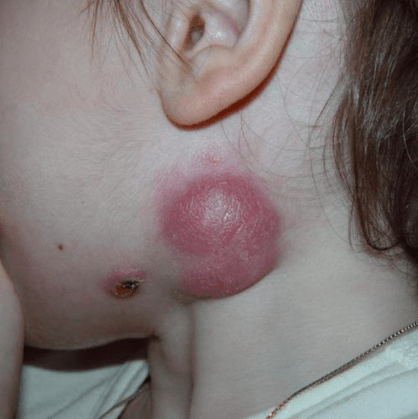
1. Lymph Node Enlargement (Lymphadenopathy)
This is the most common cause of neck swelling seen in Kuala Lumpur clinics.
Lymph nodes act like security checkpoints. When you have:
- Sore throat
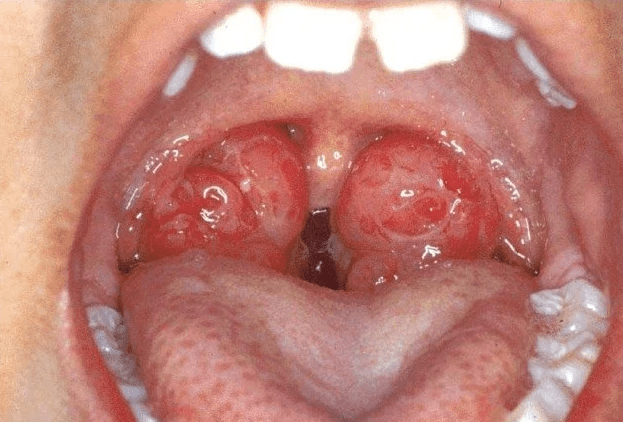
- Tonsillitis
- Dental infection
- Viral illness
- Tuberculosis (still relevant in Malaysia)
…they enlarge as part of your immune response. These swellings are often tender, mobile, and reduce in size over time.
However, persistent, hard, painless lymph nodes raise red flags — especially in adults.
2. Thyroid-Related Neck Swelling
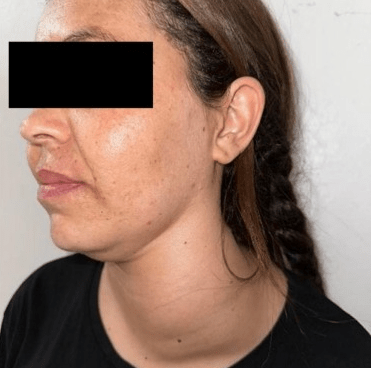
The thyroid gland sits at the front of the neck and can enlarge due to:
- Thyroid nodules
- Goitre
- Thyroiditis
- Thyroid cancer
Patients often describe:
- A visible midline swelling
- Tightness when swallowing
- Voice changes
ENT specialists frequently work alongside endocrinologists in evaluating thyroid-related neck swellings.

3. Salivary Gland Swelling
The parotid, submandibular, and sublingual glands can swell due to:
- Salivary stones
- Infection
- Autoimmune disease
- Tumours
These swellings may worsen during meals — a classic clue many patients overlook.

4. Congenital Neck Lumps
Seen more commonly in younger patients but sometimes discovered in adults:
- Thyroglossal duct cyst
- Branchial cleft cyst
These swellings are usually painless and slowly enlarging, but can become infected suddenly.
5. Tumours of the Head and Neck
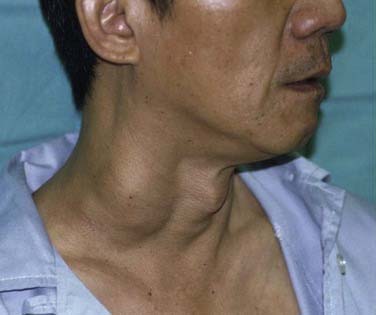
This is the category patients fear most — and rightly so.
Cancers of the:
- Nasopharynx
- Oral cavity
- Larynx
- Thyroid
- Salivary glands
…may first present as a neck lump, even before pain appears. Early detection dramatically improves outcomes — a fact strongly supported by ENT oncology literature.
Why ENT Assessment Is Crucial
Neck swelling is not a “wait and see” symptom, especially in adults. ENT specialists are uniquely trained to:
- Examine deep neck structures
- Perform flexible nasopharyngolaryngoscopy
- Interpret imaging accurately
- Decide when biopsy is needed
If you’re unsure, that’s exactly when you should be seen.

👉 If you’ve noticed a neck swelling — whether painful or painless — an early ENT consultation can provide clarity, reassurance, and timely treatment. Book a professional ENT assessment before assumptions turn into anxiety.
References
This article is written based on current evidence and clinical practice standards from leading ENT journals, including The Laryngoscope, JAMA Otolaryngology–Head & Neck Surgery, Otolaryngology–Head and Neck Surgery, Head & Neck, Clinical Otolaryngology, and European Archives of Oto-Rhino-Laryngology.
–Reviewed by Dr Ameen, ENT Specialist, Kuala Lumpur
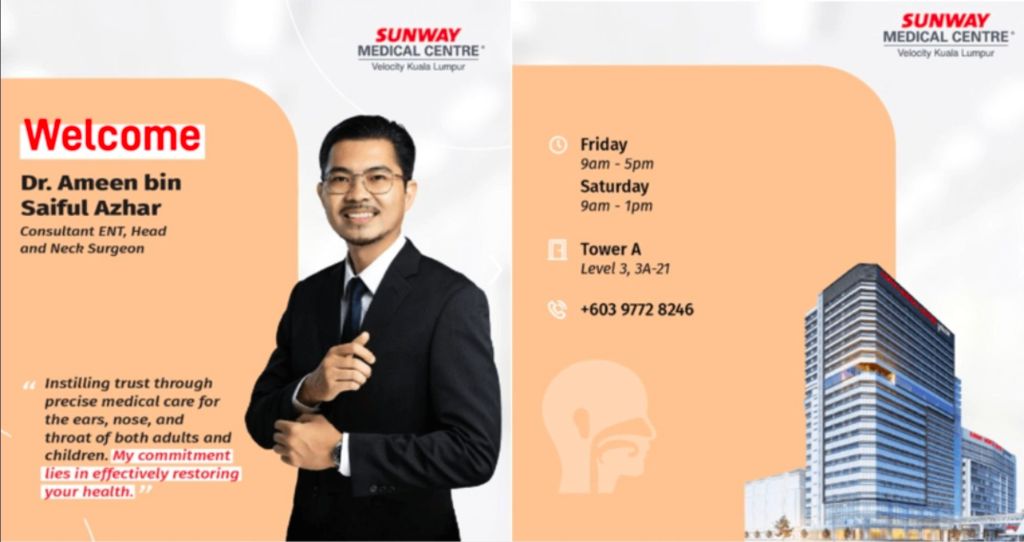
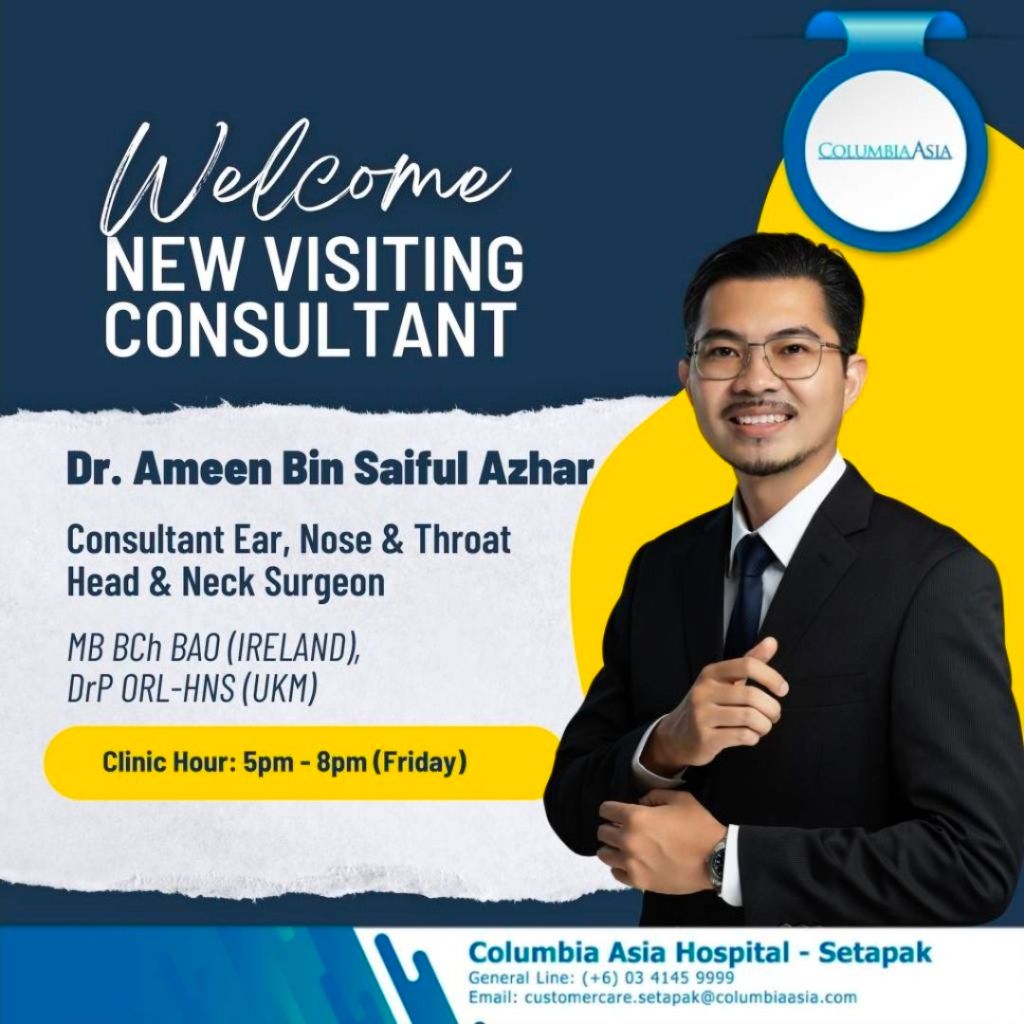


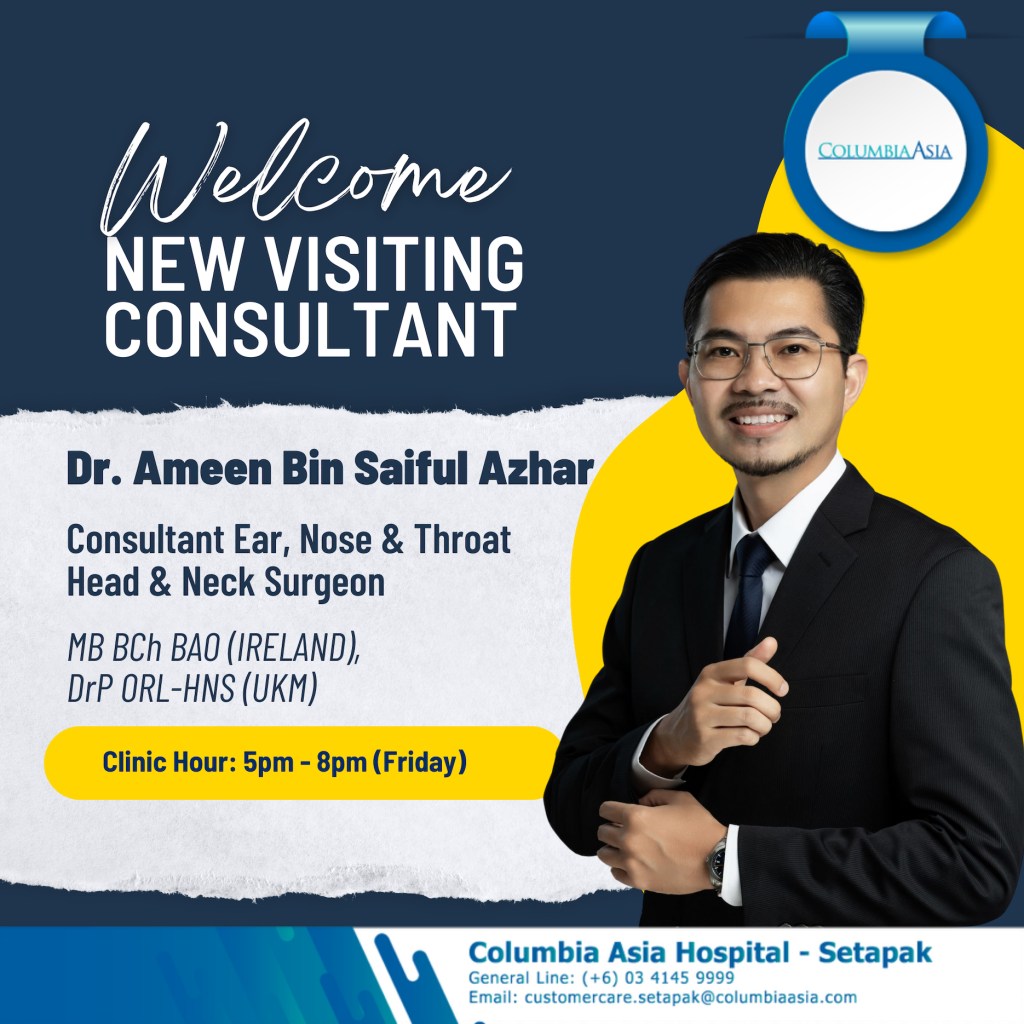





 Dr. Ameen, ENT Specialist in Kuala Lumpur
Leave a comment