



PART 2: Common Signs and Symptoms of Neck Swelling
Neck swelling rarely appears without a story behind it. Sometimes it creeps up slowly, barely noticeable at first. Other times, it shows up suddenly — tender, painful, and impossible to ignore. The signs and symptoms associated with neck swelling often provide the earliest clues about what’s happening beneath the skin.
As an ENT specialist, one of the first questions I ask patients is simple:
👉 “How did you first notice the swelling?”
The answer often reveals more than the lump itself.

How Neck Swelling Commonly Presents
Neck swelling can look and feel very different from one person to another. Some patients describe a visible lump, while others notice a sense of fullness, tightness, or pressure in the neck. In many cases, the swelling is discovered accidentally — while shaving, applying makeup, or adjusting a shirt collar.
Common early symptoms include:
- A lump on one or both sides of the neck
- Swelling that moves when touched
- Localised tenderness or pain
- Tightness when swallowing or turning the head
However, not all neck swellings cause discomfort. In fact, painless neck lumps are often more concerning than painful ones, particularly in adults.
Painful vs Painless Neck Swelling
This distinction matters.
Painful neck swelling is more commonly associated with:
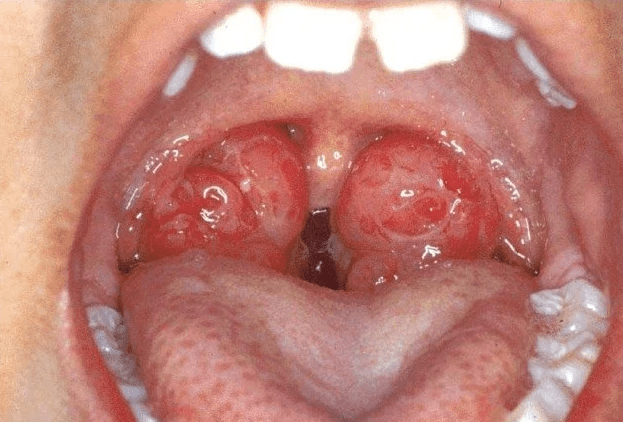
- Acute infections (tonsillitis, pharyngitis)
- Dental infections
- Infected cysts
- Salivary gland infections
Pain, warmth, and redness usually suggest inflammation. These swellings may fluctuate in size and often improve with time or treatment.

Painless neck swelling, on the other hand, deserves closer attention. It may be linked to:
- Thyroid nodules
- Salivary gland tumours
- Chronic lymph node enlargement
- Head and neck malignancies
A painless lump that persists or enlarges over weeks should never be ignored.

Symptoms Related to Lymph Node Enlargement
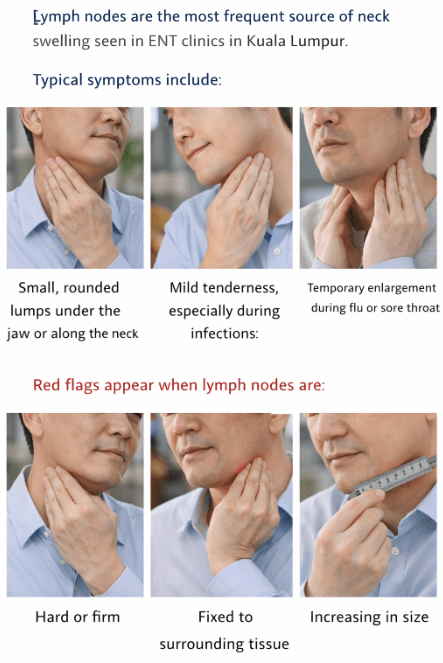
These features warrant further ENT evaluation.
Thyroid-Related Symptoms of Neck Swelling
When the thyroid gland is involved, symptoms may extend beyond the neck itself.
Patients may notice:
- A midline neck swelling that moves when swallowing
- A choking or pressure sensation
- Voice changes
- Unexplained weight changes
- Heat or cold intolerance
Thyroid-related neck swelling is often painless, which is why it can go unnoticed until it becomes visible.

Salivary Gland Swelling Symptoms
Salivary gland swellings have a unique clue many patients miss — meal-related swelling.
Common features include:
- Swelling under the jaw or in front of the ear
- Discomfort that worsens during meals
- Dry mouth
- Recurrent swelling episodes
This pattern often points toward salivary stones or gland inflammation.
Systemic and Red-Flag Symptoms
Some neck swellings come with broader warning signs that should prompt early ENT review.
These include:

While these symptoms do not automatically mean cancer, they do raise concern for serious underlying ENT or head and neck conditions.
Why Symptoms Matter More Than Size Alone

A small lump that persists is often more important than a large lump that resolves quickly.

👉 If you notice a neck swelling accompanied by voice changes, swallowing difficulty, or a lump that does not resolve, an early ENT consultation can prevent delays in diagnosis. Book an appointment for a proper head and neck assessment before symptoms progress further.
References
This article is written based on current evidence and clinical practice standards from leading ENT journals, including The Laryngoscope, JAMA Otolaryngology–Head & Neck Surgery, Otolaryngology–Head and Neck Surgery, Head & Neck, Clinical Otolaryngology, and European Archives of Oto-Rhino-Laryngology.
Reviewed by Dr Ameen, ENT Specialist, Kuala Lumpur











 Dr. Ameen, ENT Specialist in Kuala Lumpur
Leave a comment