


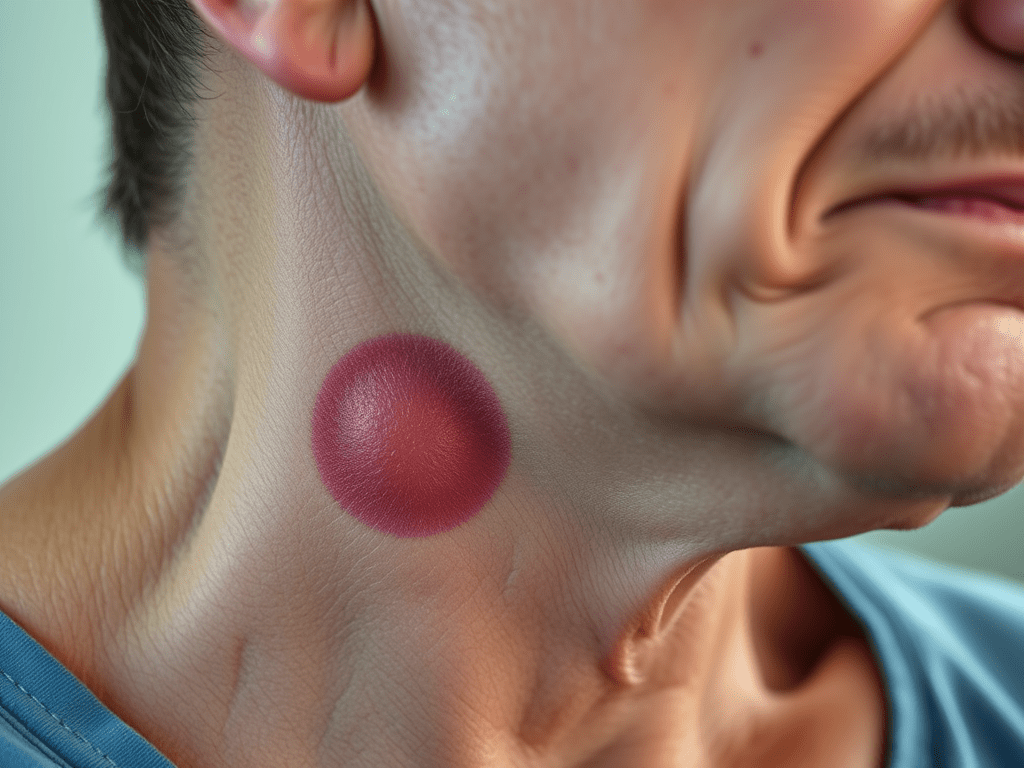
PART 3: Causes and Risk Factors of Neck Swelling
Neck swelling does not happen randomly.
There is always a cause — sometimes obvious, sometimes hidden.
Understanding the causes and risk factors of neck swelling helps patients recognise when a lump is harmless and when it needs urgent attention. More importantly, it helps reduce fear and misinformation.
As an ENT specialist, I often remind patients of one thing:
👉 The neck reflects what is happening inside the body.
Let’s break it down clearly.

1. Infections – The Most Common Cause
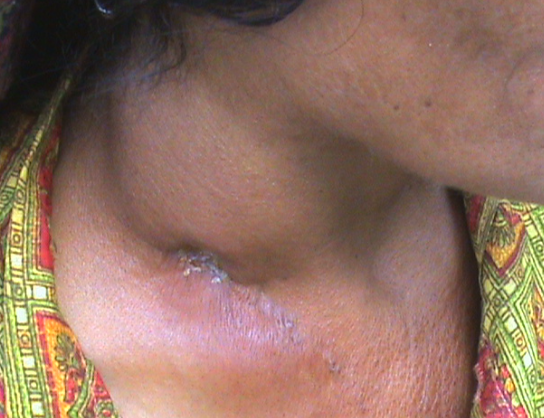
Infections are the leading cause of neck swelling, especially in younger patients.
When infection occurs, lymph nodes enlarge as part of the immune response. This is normal.
Common infectious causes include:
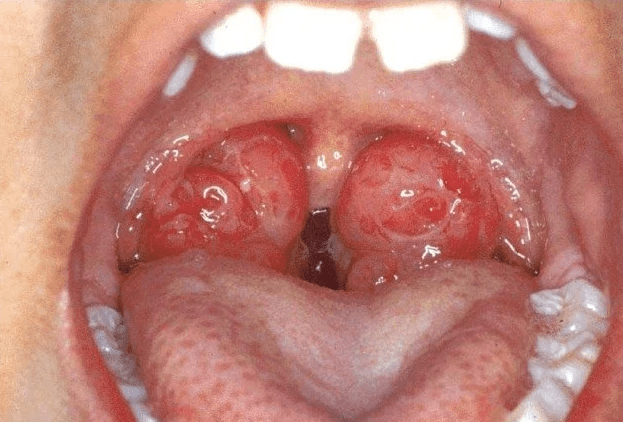
- Tonsillitis
- Pharyngitis
- Dental infections
- Skin infections
- Viral illnesses such as influenza or infectious mononucleosis
In Malaysia, tuberculosis (TB) remains an important cause of persistent neck swelling. TB-related lymph nodes are often painless and slowly enlarging.
However, they do not resolve on their own.
As a result, chronic infection should always be considered when neck swelling persists beyond a few weeks.
Is Neck TB dangerous? Neck tuberculosis (TB), also called tuberculous lymphadenitis, can be dangerous if left untreated, but it is highly treatable when diagnosed early. The infection usually affects the lymph nodes in the neck and may cause painless swelling, fever, night sweats, or weight loss. If ignored, the swelling can enlarge, form abscesses, or create chronic discharging sinuses, leading to scarring and prolonged infection. In rare cases, TB can spread to the lungs or other organs. The good news is that with proper anti-TB medication and specialist care, most patients recover fully without long-term complications. Early medical assessment is key.
2. Thyroid Disorders
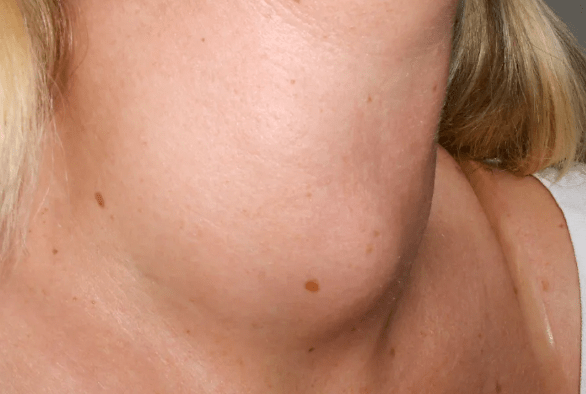
The thyroid gland sits at the front of the neck. When it enlarges, swelling becomes noticeable.
Common thyroid-related causes include:
- Goitre
- Thyroid nodules
- Thyroiditis
- Thyroid cancer
Thyroid swellings are usually painless.
They often move when swallowing.
Risk factors for thyroid-related neck swelling include:
- Female gender
- Family history of thyroid disease
- Previous neck radiation
- Iodine imbalance
Therefore, any midline neck swelling deserves proper evaluation.
3. Salivary Gland Conditions
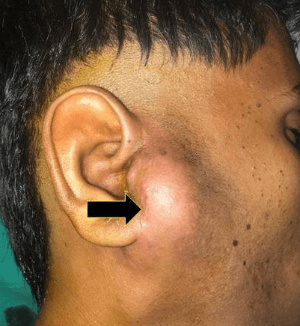
Salivary glands can also cause neck swelling.
This includes the:
- Parotid gland
- Submandibular gland
- Sublingual gland
Common causes are:
- Salivary stones
- Bacterial infection
- Autoimmune disease
- Benign or malignant tumours
A key clue is swelling that worsens during meals.
This symptom is often overlooked.
Consequently, delayed diagnosis is common.
4. Congenital and Developmental Causes
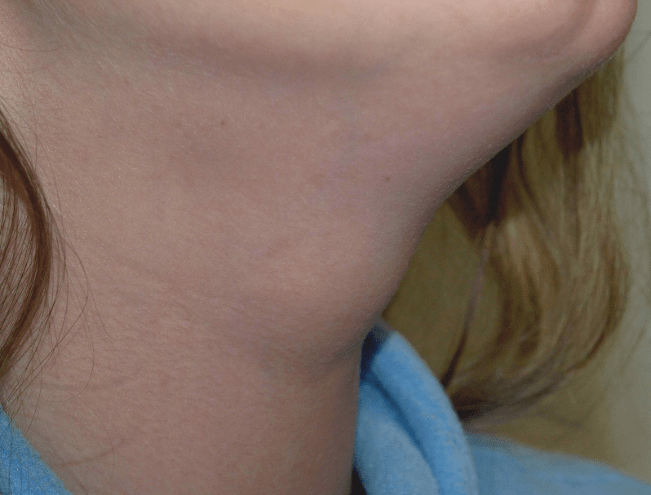
Some neck swellings are present from birth.
They may only appear later in life.
Examples include:
- Thyroglossal duct cyst
- Branchial cleft cyst
- Dermoid cyst
These swellings are usually painless.
However, they may suddenly enlarge when infected.
Importantly, adult presentation does not exclude congenital causes.
5. Tumours and Malignancy
This is the most concerning cause of neck swelling.
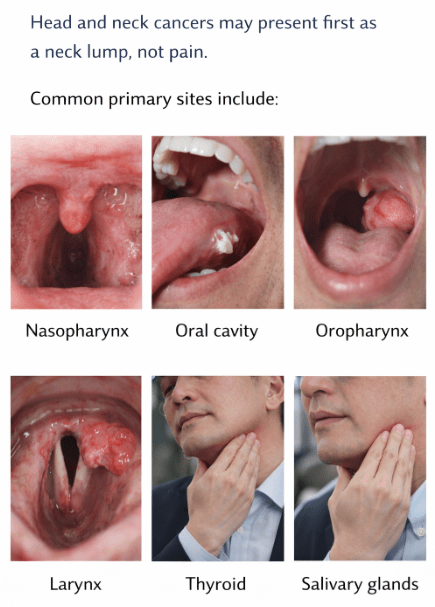
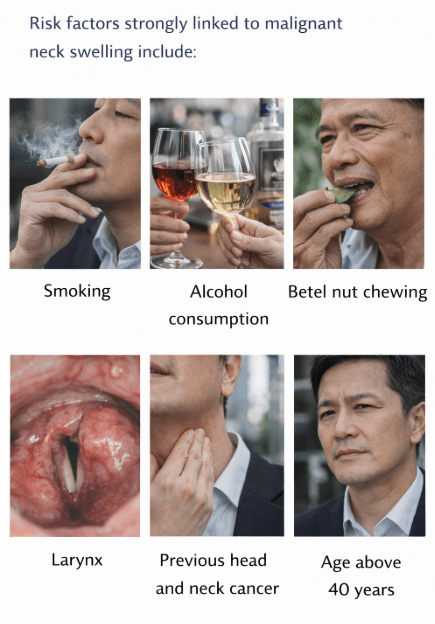
In Kuala Lumpur, nasopharyngeal cancer is particularly relevant.
Therefore, painless, persistent neck swelling in adults must never be ignored.

6. Systemic and Medical Conditions
Sometimes, neck swelling reflects a broader medical issue.
These include:
- Autoimmune diseases
- Sarcoidosis
- Lymphoma
- Metastatic disease from other organs
In such cases, patients may also experience:
- Night sweats
- Unexplained weight loss
- Persistent fatigue
- Fever of unknown origin
As a result, ENT assessment often works hand-in-hand with medical specialists.
Why Risk Factors Matter
Many patients ask, “Doctor, why did this happen to me?”
Risk factors provide the answer.
They help doctors decide:
- How urgent the swelling is
- Which investigations are needed
- Whether biopsy is required
More importantly, they guide early intervention, which saves lives.
👉 If you have risk factors such as smoking, persistent sore throat, or unexplained neck swelling, early ENT consultation is essential. Book an appointment for a detailed neck evaluation before delays affect outcomes.
References
This article is written based on current evidence and clinical practice standards from leading ENT journals, including The Laryngoscope, JAMA Otolaryngology–Head & Neck Surgery, Otolaryngology–Head and Neck Surgery, Head & Neck, Clinical Otolaryngology, and European Archives of Oto-Rhino-Laryngology.
–Reviewed by Dr Ameen, ENT Specialist, Kuala Lumpur






 Dr. Ameen, ENT Specialist in Kuala Lumpur
Leave a comment