



PART 7: Prevention and Long-Term Outlook for Neck Swelling
Many patients ask the same question at the end of consultation.
👉 “Doctor, can neck swelling be prevented?”
The answer is honest and reassuring.
Some causes can be prevented.
Others cannot.
However, early detection and good habits greatly improve outcomes. This is where prevention and long-term outlook matter most.
Can Neck Swelling Be Prevented?
Prevention depends on the cause.
While not all neck swellings are avoidable, many risk factors are modifiable.
Let’s break this down clearly.
1. Preventing Infection-Related Neck Swelling
Infections remain the most common cause.
Simple measures help:
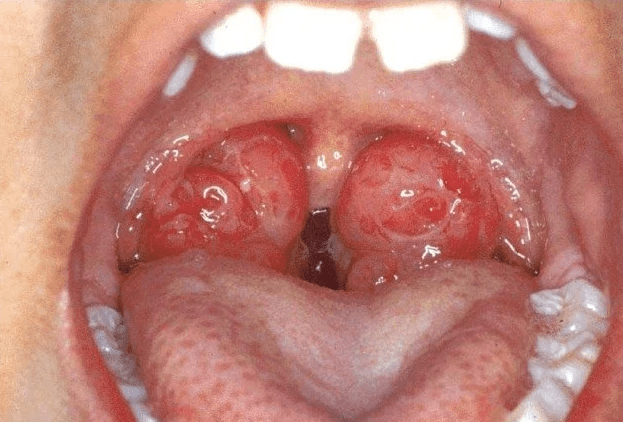
- Treat sore throat early
- Maintain good oral hygiene
- Address dental infections promptly
- Complete prescribed antibiotics
- Avoid self-medicating repeatedly
In addition, adequate rest and hydration support immune health.
As a result, reactive lymph node swelling often resolves completely.

2. Reducing Cancer-Related Risk
This is one of the most important prevention strategies.
Strong evidence shows that lifestyle choices matter.
You can reduce risk by:
- Stopping smoking
- Limiting alcohol intake
- Avoiding betel nut chewing
- Seeking early review for persistent symptoms
In Malaysia, early assessment for nasopharyngeal cancer risk is especially important.
Therefore, do not wait for pain before seeking advice.

3. Thyroid and Hormonal Health
Thyroid-related neck swelling is often silent.
Regular check-ups help when:
- There is family history
- You notice a midline neck lump
- Voice or swallowing changes occur
Early ultrasound assessment often prevents delayed diagnosis.
4. Monitoring Congenital Neck Lumps
Congenital cysts cannot be prevented.
However, complications can.
Early diagnosis allows:
- Planned surgery
- Infection prevention
- Better cosmetic outcomes
Ignoring them increases risk of infection and scarring.

5. Importance of Follow-Up
One of the biggest mistakes is loss to follow-up.
Even benign neck swellings need monitoring.
Follow-up ensures:
- Stability is confirmed
- Recurrence is detected early
- Changes are addressed promptly
This step is often underestimated.

What Is the Long-Term Outlook?
The outlook for neck swelling depends on cause and timing.
Benign Conditions
Most benign causes have an excellent prognosis.
These include:
- Reactive lymph nodes
- Benign cysts
- Salivary stones
- Non-cancerous thyroid nodules
With proper care, patients return to normal life.
Malignant Conditions
When detected early, outcomes improve significantly.

This is why timing matters more than fear.
Living With or After Neck Swelling
Recovery does not end after treatment.
Long-term care may include:
- Periodic ENT review
- Imaging surveillance
- Voice or swallowing therapy
- Lifestyle modification
Patients often feel anxious initially.
However, education and reassurance restore confidence.
A Final Word for Patients
Neck swelling is not a diagnosis.
It is a signal.
Sometimes it signals infection.
Sometimes inflammation.
Sometimes something more serious.
The goal is not fear.
The goal is clarity.
👉 If you want to prevent complications, reduce long-term risk, or simply gain reassurance about a neck swelling, an ENT consultation in Kuala Lumpur offers clarity and continuity of care. Book an appointment for personalised advice and long-term guidance.
References
This article is written based on current evidence and clinical practice standards from leading ENT journals, including The Laryngoscope, JAMA Otolaryngology–Head & Neck Surgery, Otolaryngology–Head and Neck Surgery, Head & Neck, Clinical Otolaryngology, and European Archives of Oto-Rhino-Laryngology.
Reviewed by Dr Ameen, ENT Specialist, Kuala Lumpur








 Dr. Ameen, ENT Specialist in Kuala Lumpur
Leave a comment