



AI in Hearing Care – Smarter Hearing Aids and Predicting Cochlear Implant Outcomes in Kuala Lumpur
Hearing loss is a growing public health concern in Kuala Lumpur, affecting individuals across all age groups. From children with congenital or early-onset hearing loss to adults experiencing age-related or noise-induced hearing impairment, the impact on communication, education, employment, and quality of life is significant. Traditionally, hearing care has focused on amplification and rehabilitation. In 2026, artificial intelligence (AI) is transforming this approach into one that is predictive, adaptive, and personalised.
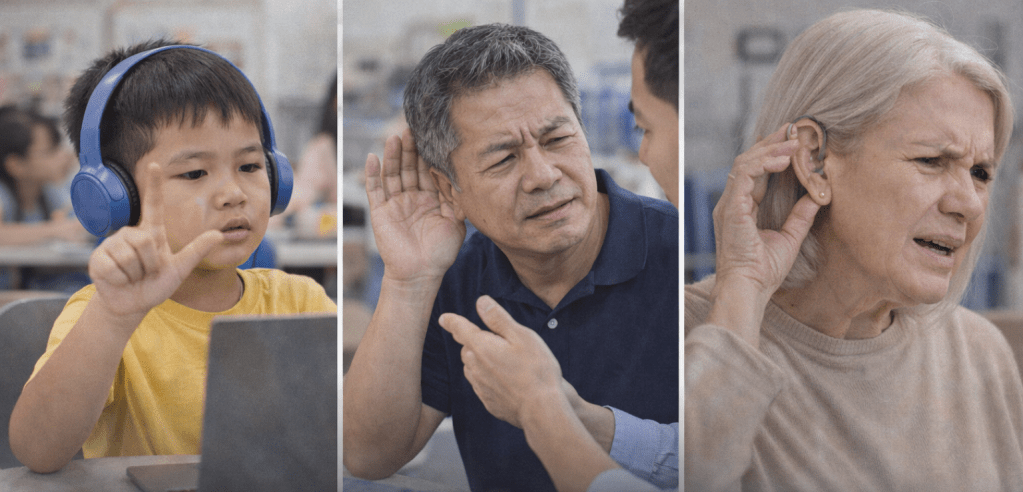
AI-driven hearing technologies are not replacing audiologists or ENT specialists. Instead, they are enhancing decision-making, improving outcomes, and helping patients navigate complex treatment options with greater clarity.
The Challenge of Managing Hearing Loss
Hearing loss is not a uniform condition. Patients may present with:
- Conductive hearing loss
- Sensorineural hearing loss
- Mixed hearing loss
- Progressive or fluctuating patterns
In Kuala Lumpur’s diverse population, additional challenges include:
- Delayed diagnosis in children
- Late presentation in adults
- Variable access to hearing care services
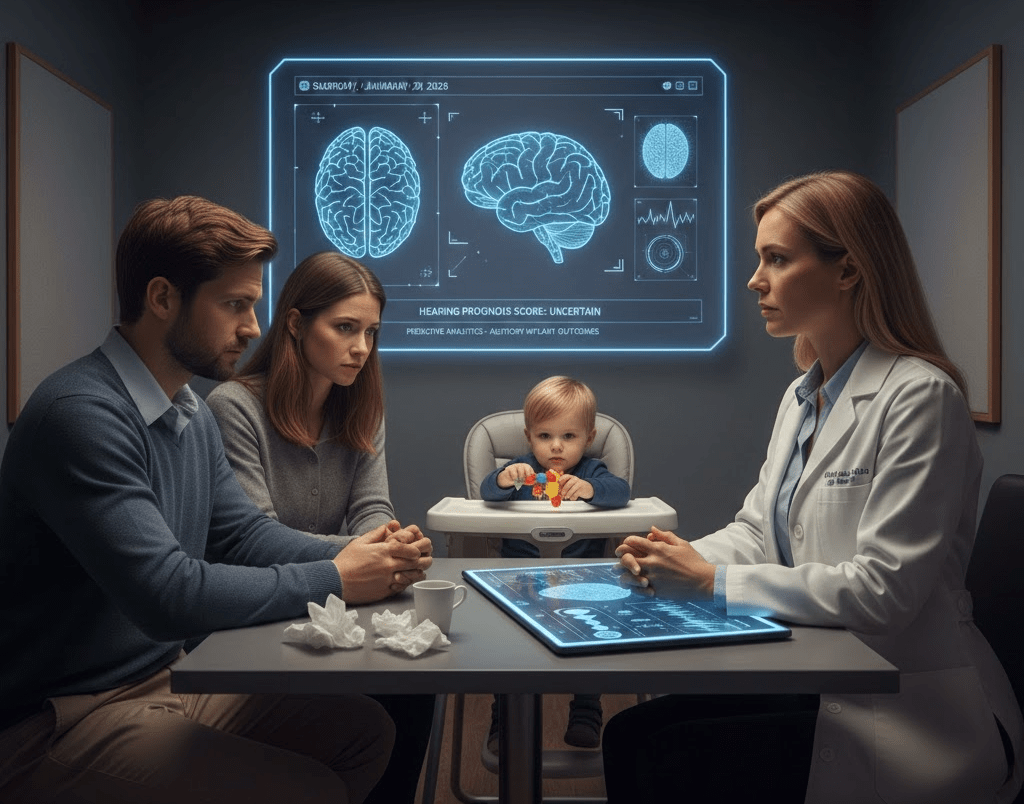
Even with modern audiological testing, predicting how well a patient will respond to hearing aids or cochlear implants has historically been difficult. This uncertainty can make counselling stressful for both clinicians and families.
AI and Cochlear Implant Outcome Prediction
Predicting Spoken Language Development in Children
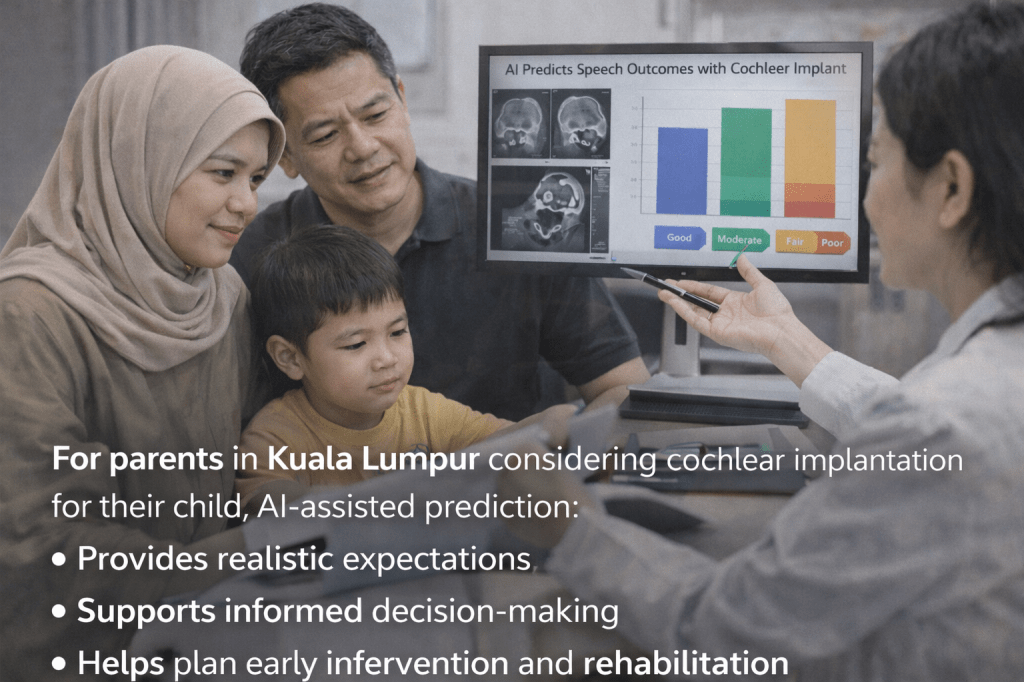
One of the most significant breakthroughs in hearing care is AI’s ability to predict spoken language outcomes in children before cochlear implantation.
AI models trained on large datasets can analyse:
- Age at implantation
- Residual hearing levels
- Auditory nerve integrity
- Speech perception patterns
These models achieve up to 92% accuracy in predicting post-implant spoken language outcomes.
Why This Matters to Families
For parents in Kuala Lumpur considering cochlear implantation for their child, AI-assisted prediction:
- Provides realistic expectations
- Supports informed decision-making
- Helps plan early intervention and rehabilitation
This allows ENT specialists, audiologists, and speech therapists to tailor management plans more precisely.
Smarter Hearing Aids in 2026
From Amplification to Intelligent Listening
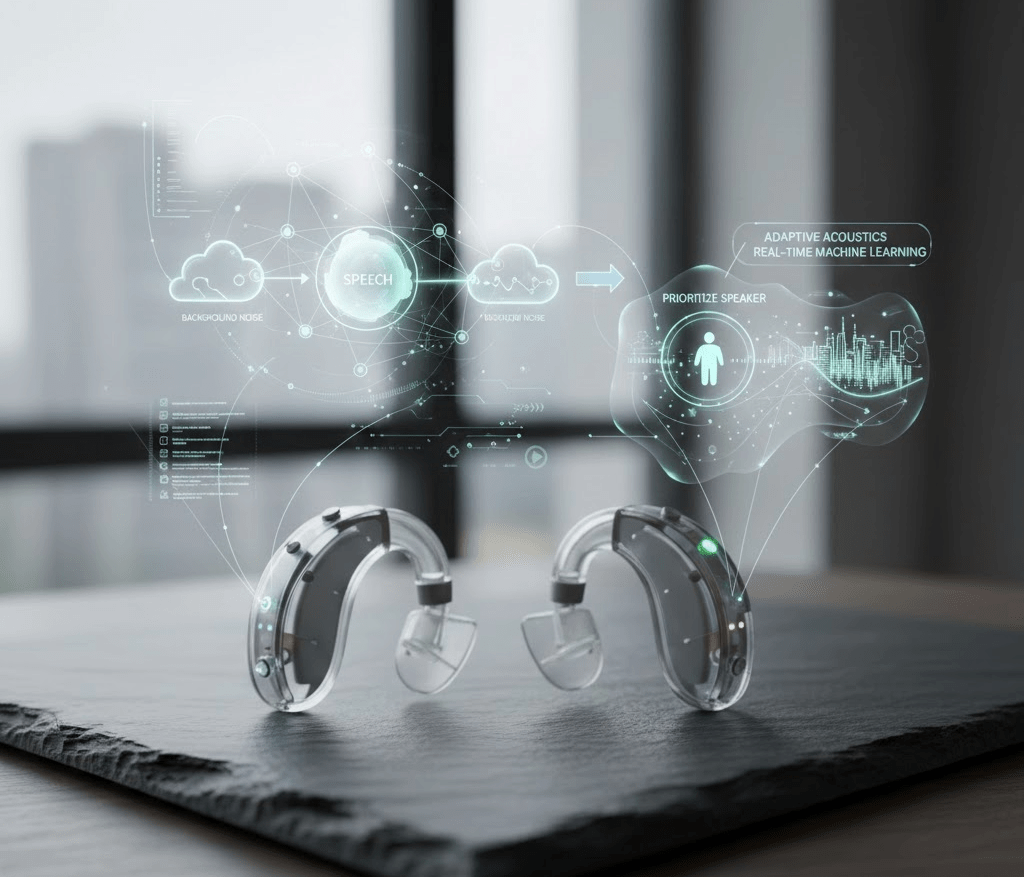
Modern AI-powered hearing aids go far beyond simply making sounds louder. Using real-time machine learning, these devices can:
- Identify speech versus background noise
- Prioritise specific speakers
- Adapt to changing acoustic environments instantly
For patients navigating busy environments such as offices, restaurants, or public transport in Kuala Lumpur, this represents a major improvement in daily communication.
Personalised Sound Processing
AI allows hearing aids to learn user preferences over time. The device adapts based on:
- Listening habits
- Frequently visited environments
- Speech clarity preferences
This creates a more natural listening experience and improves long-term satisfaction.
AI in Adult Hearing Rehabilitation
AI also plays a role in monitoring hearing aid usage and effectiveness. Data from devices can help clinicians:
- Identify underuse or non-compliance
- Adjust settings remotely
- Optimise rehabilitation strategies
This reduces the need for frequent clinic visits while maintaining high-quality care.
Supporting ENT and Audiology Expertise
AI-driven hearing technologies operate within an expert-in-the-loop framework:
- Audiologists conduct comprehensive hearing assessments
- ENT specialists diagnose underlying pathology
- AI supports prediction, adaptation, and monitoring
Clinical judgement remains essential, particularly when identifying medical causes of hearing loss that require further investigation or treatment.
What This Means for Patients in Kuala Lumpur
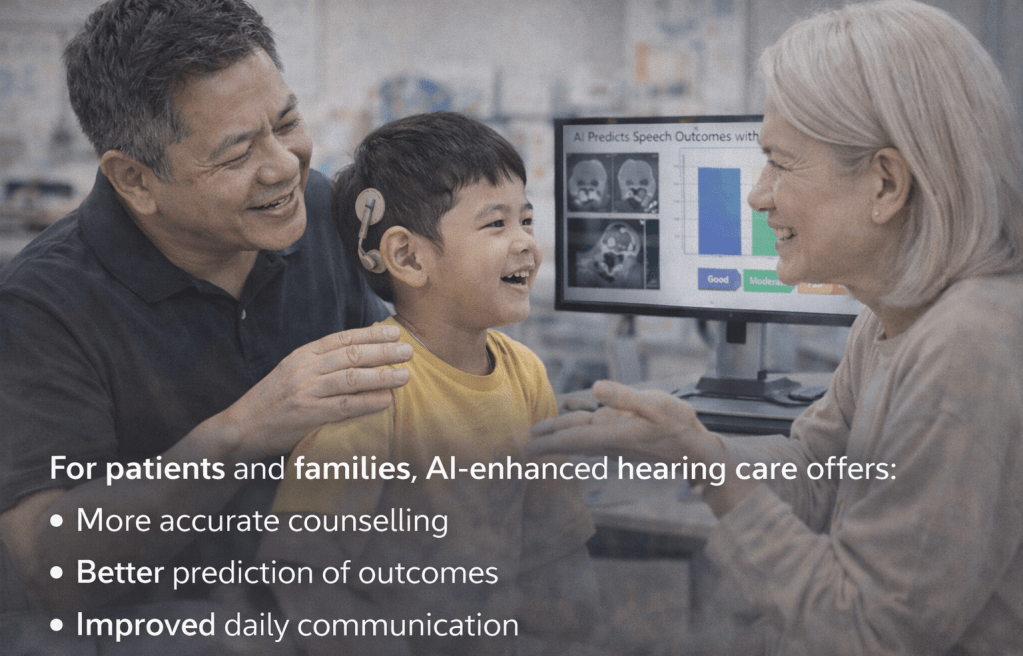
For patients and families, AI-enhanced hearing care offers:
- More accurate counselling
- Better prediction of outcomes
- Improved daily communication
- Enhanced quality of life
Importantly, AI helps ensure that hearing solutions are tailored to individual needs, rather than a one-size-fits-all approach.
Ethical and Safety Considerations
As with all medical AI, safety and transparency are essential. Reputable AI systems used in hearing care:
- Are trained on diverse populations
- Undergo clinical validation
- Are used under specialist supervision
Patients should feel confident that AI is being used to enhance care, not replace professional expertise.

Reviewed by Dr Ameen, ENT Specialist, Kuala Lumpur










 Dr. Ameen, ENT Specialist in Kuala Lumpur
Leave a comment