



AI in ENT Clinic Workflow – Reducing Burnout and Improving Patient Care in Kuala Lumpur
While much of the discussion around artificial intelligence (AI) in medicine focuses on diagnosis and treatment, one of the most immediate and impactful changes in ENT practice is happening behind the scenes. In Kuala Lumpur, where ENT clinics often manage high patient volumes within limited consultation times, administrative workload has become a major contributor to clinician burnout and reduced patient interaction.
ENT specialists spend a significant portion of their day on non-clinical tasks such as documentation, electronic medical records (EMR), referral letters, and coding. These responsibilities frequently extend beyond clinic hours, leading to what many doctors describe as “pajama time.” AI is now playing a crucial role in addressing this challenge.

The Hidden Burden of Administrative Work in ENT Practice
Modern ENT consultations involve much more than examination and diagnosis. Each visit typically requires:
- Detailed clinical notes
- Procedure documentation
- Investigation summaries
- Referral or insurance letters
In a busy Kuala Lumpur practice, these tasks can significantly reduce face-to-face time with patients. Over time, this contributes to:
- Clinician fatigue and burnout
- Reduced job satisfaction
- Shorter, more rushed consultations
From a patient perspective, this can feel like limited explanation or inadequate engagement, even when care is appropriate.

Ambient AI Scribes: A Practical Solution
What Are Ambient AI Scribes?
Ambient AI scribes are systems that listen to consultations (with patient consent) and automatically generate:
- Structured clinical notes
- Visit summaries
- Procedure documentation
Tools such as Abridge and Microsoft Copilot are examples of this technology in real-world clinical use.

How They Work
During an ENT consultation, the AI captures key clinical elements:
- Presenting complaints
- Examination findings
- Diagnosis and management plans
The system then produces a draft note that the clinician reviews, edits, and finalises. Importantly, the ENT specialist remains fully responsible for accuracy and clinical judgement.

Benefits for ENT Specialists in Kuala Lumpur
AI-assisted documentation offers several advantages:
- Reduced after-hours paperwork
- Improved focus during consultations
- More consistent and legible medical records
By reducing administrative burden, ENT specialists can redirect attention to:
- Clinical reasoning
- Patient education
- Shared decision-making
This improves both professional satisfaction and patient experience.

Improving the Quality of Patient Consultations
When doctors are less focused on typing or documentation, consultations become more patient-centred. Patients benefit from:
- Better explanations of their condition
- Clearer discussion of treatment options
- Increased opportunity to ask questions
In ENT care, where understanding symptoms and treatment plans is essential, this enhanced communication is particularly valuable.
Maintaining Trust and Data Security
Patient Privacy and Consent
The use of ambient AI requires strict adherence to privacy standards. Responsible AI systems:
- Obtain explicit patient consent
- Comply with healthcare data protection regulations
- Store data securely
In Kuala Lumpur, where patient trust is paramount, transparency around AI usage is essential.
The Expert-in-the-Loop Model
AI does not independently generate medical decisions. Instead:
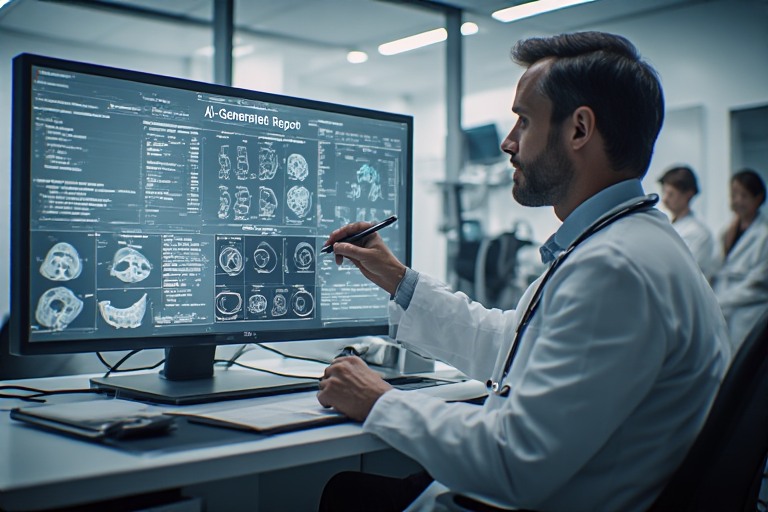
- The ENT specialist reviews all AI-generated documentation
- Corrections are made as needed
- Final responsibility remains with the clinician
This ensures accuracy and maintains professional accountability.
Reducing Burnout, Retaining Expertise
Burnout among healthcare professionals has long-term consequences, including early retirement and reduced availability of specialist services. By easing administrative workload, AI supports:
- Sustainability of ENT practice
- Retention of experienced specialists
- Improved continuity of care
For patients in Kuala Lumpur, this means more stable access to experienced ENT care.
Ethical and Practical Considerations
AI implementation must be responsible and ethical. Key considerations include:
- Avoiding over-reliance on automation
- Regular auditing of AI output
- Ongoing clinician training
When used appropriately, AI enhances rather than diminishes professional standards.

A Better Balance Between Technology and Human Care
AI’s role in ENT workflow is not about replacing clinicians or speeding through consultations. It is about restoring balance—allowing ENT specialists to practise medicine with focus, empathy, and clarity.

Reviewed by Dr Ameen, ENT Specialist, Kuala Lumpur










 Dr. Ameen, ENT Specialist in Kuala Lumpur
Leave a comment