



The Future of AI in ENT Care – Trust, Ethics, and the Human–Technology Partnership in Kuala Lumpur
As artificial intelligence (AI) becomes increasingly integrated into healthcare, one question consistently arises among patients and doctors alike: Can technology be trusted in medicine? In ENT care, where diagnosis often depends on subtle visual and acoustic cues, AI has demonstrated impressive accuracy and efficiency. However, the future of AI in otolaryngology does not depend solely on technological capability. It depends on trust, ethics, and responsible clinical integration.
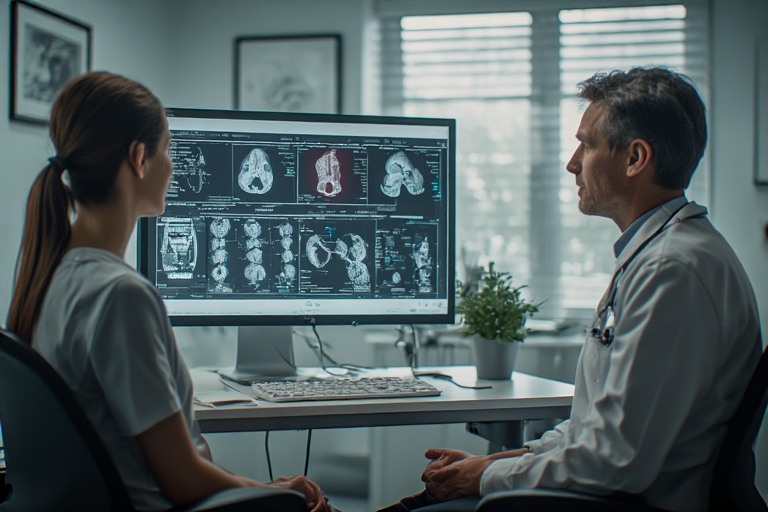
In Kuala Lumpur, where healthcare expectations are high and patient diversity is broad, the adoption of AI must prioritise safety, transparency, and human oversight.
AI Is a Tool, Not a Replacement for ENT Specialists
One of the most important principles guiding AI use in ENT is the “expert-in-the-loop” model. In this framework:
- AI provides data analysis and decision support
- ENT specialists interpret results in clinical context
- Final diagnosis and treatment decisions remain human-led
This is crucial. ENT conditions are rarely diagnosed based on a single test or image. Symptoms, examination findings, patient history, and risk factors must all be considered together. AI enhances this process by offering objective pattern recognition, but it cannot replace clinical judgement, experience, or empathy.
For patients in Kuala Lumpur, this means AI is not making decisions about them—it is supporting the doctor who knows them.
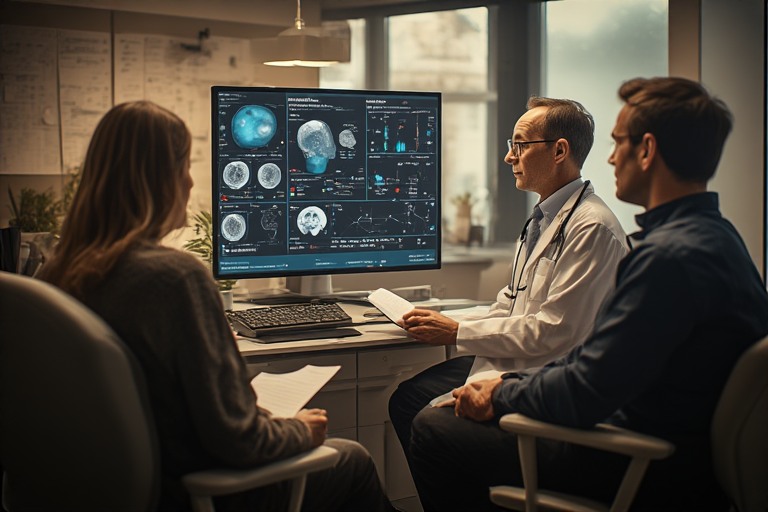
Ethical Use of AI in ENT Practice
Responsible AI use in healthcare requires adherence to strict ethical standards. Key ethical principles include:
Transparency
Patients should be informed when AI tools are used in their care. This includes:
- What the AI does
- What it does not do
- How the doctor uses the information
Clear communication builds trust and reduces fear or misunderstanding.
Accountability
AI systems do not bear responsibility for medical decisions—doctors do. ENT specialists must:
- Review AI-generated outputs
- Validate findings
- Override AI recommendations when clinically appropriate
This preserves professional accountability and patient safety.
Data Privacy and Security
Medical AI systems must comply with data protection standards. Reputable systems ensure:
- Secure data storage
- Restricted access
- Use of anonymised datasets where possible
In Kuala Lumpur’s healthcare environment, where confidentiality is highly valued, this is non-negotiable.
Balancing Innovation with Patient-Centred Care
AI adoption should never come at the cost of human connection. In fact, when used correctly, AI can enhance patient-centred care by:
- Reducing administrative distractions
- Allowing more time for explanation and counselling
- Supporting shared decision-making
Patients benefit not just from improved diagnostic accuracy, but from better conversations and clearer understanding of their condition.
Would Patients Trust AI in ENT Diagnosis?
A key question for the future is not whether AI works—but whether patients are comfortable with it.
Consider these scenarios:
- An AI-assisted ear examination helps decide whether a child truly needs antibiotics
- A voice analysis tool flags a high-risk pattern, prompting early ENT referral
- AI-assisted imaging helps avoid unnecessary sinus surgery
In each case, AI does not act alone. It supports earlier, more informed decisions under specialist supervision.
Trust grows when patients see that AI:
- Improves accuracy
- Reduces unnecessary treatment
- Supports, rather than replaces, their doctor
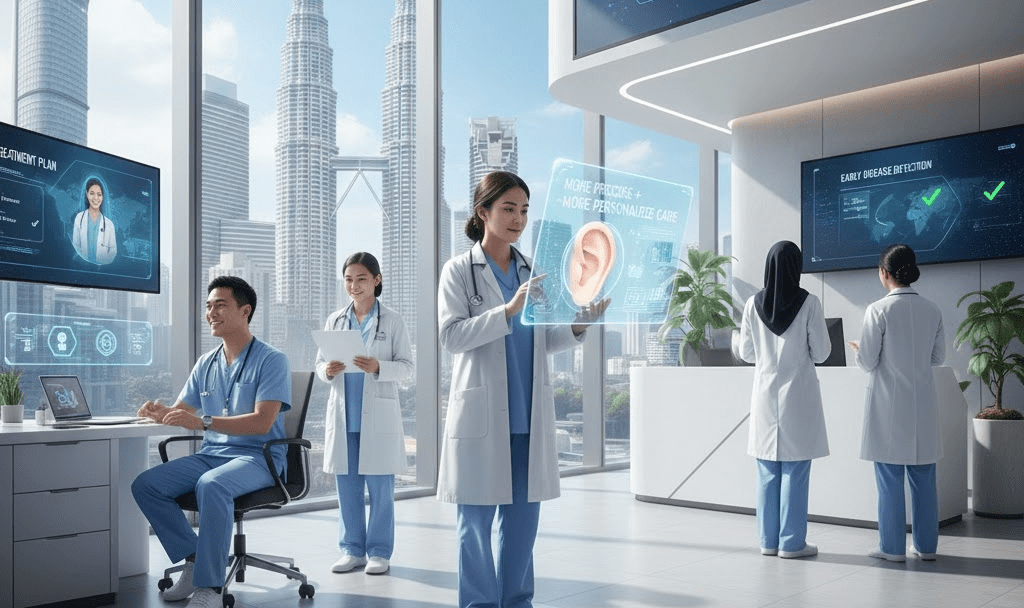
What This Means for ENT Care in Kuala Lumpur
As AI continues to evolve, ENT care in Kuala Lumpur is likely to become:
- More precise
- More personalised
- More proactive
Early detection of disease, better treatment selection, and improved clinic workflows all contribute to higher-quality care and better outcomes.
Importantly, AI adoption also supports sustainability of ENT services by:
- Reducing clinician burnout
- Retaining experienced specialists
- Improving long-term access to care

Looking Ahead: A Partnership, Not a Competition
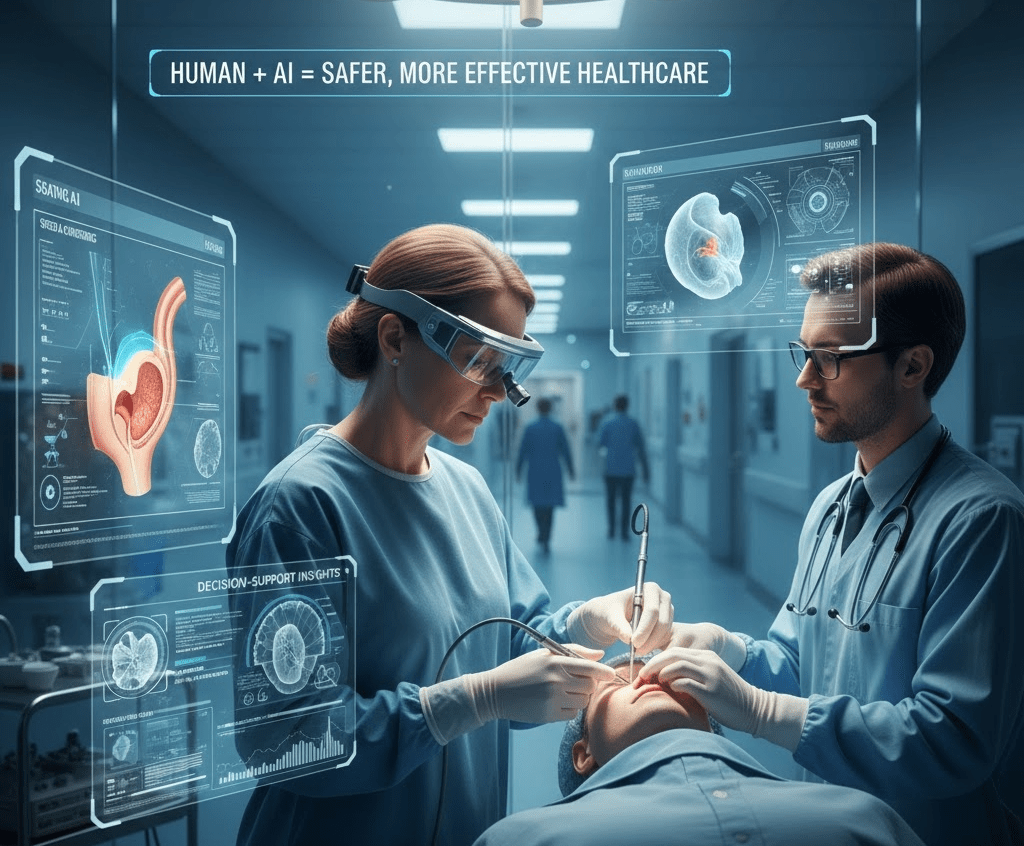
The future of ENT care is not a competition between humans and machines. It is a partnership, where technology enhances human expertise.
ENT specialists bring:
- Years of training and experience
- Clinical judgement
- Empathy and communication
AI contributes:
- Speed and consistency
- Pattern recognition at scale
- Decision-support insights
Together, they create a safer, more effective healthcare system.
Final Thoughts for Patients
If you are seeking ENT care in Kuala Lumpur, it is reasonable to ask:
- How technology is used in your diagnosis
- How decisions are made
- Who remains responsible for your care
The best ENT practices in 2026 are those that combine human expertise with intelligent technology, guided by evidence, ethics, and trust.
Reviewed by Dr Ameen, ENT Specialist, Kuala Lumpur







 Dr. Ameen, ENT Specialist in Kuala Lumpur
Leave a comment