




Snoring is common. Many families in Kuala Lumpur live with it for years.
But here’s the surprise.
Do you know why snoring can be a warning sign, not just an annoyance?
Because snoring happens when air struggles to pass through a narrowed airway. That narrowing can range from mild vibration to repeated collapse of the breathing passage, which is called obstructive sleep apnoea (OSA).
Hospitals and ENT services in Malaysia consistently list snoring and sleep apnoea as key reasons patients seek ENT care.
Local research also shows habitual snoring is common in adults, and a portion are clinically suspected to have OSA.
What’s the difference between “normal snoring” and OSA?
Snoring = noise from vibration of soft tissues.
OSA = airway repeatedly blocks during sleep, causing breathing pauses.
Many patients don’t notice the pauses. The family does.
Signs your snoring is more likely to be OSA
If you snore and have one or more below, your risk rises:
- Loud snoring most nights
- Witnessed breathing pauses or choking/gasping
- Morning headaches
- Dry mouth in the morning
- Excessive daytime sleepiness
- High blood pressure or weight gain

Why OSA matters (even if you “feel okay”)
OSA can fragment sleep every night.
That leads to fatigue, poor focus, and irritability.
Over time, untreated OSA can worsen cardiovascular and metabolic risks.

Why ENT assessment helps
OSA is not one-size-fits-all. The blockage can be:
- Nose (severe rhinitis, polyps, deviated septum)
- Soft palate/uvula
- Tonsils (especially in children)
- Tongue base and airway anatomy
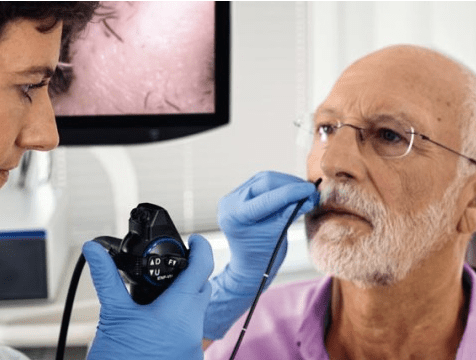
An ENT assessment focuses on where the narrowing happens, and what can realistically improve it.
What you can do right now
- Sleep on your side (many snore more supine)
- Reduce alcohol close to bedtime
- Manage nasal blockage (especially allergic rhinitis)
- Consider weight optimisation if relevant
- Most importantly: don’t ignore breathing pauses
When to see an ENT specialist in Kuala Lumpur
Book an ENT review if:
- Your partner reports breathing pauses
- You wake up choking/gasping
- You are sleepy in daytime despite “enough hours”
- You have uncontrolled BP and loud snoring

Key takeaway
Snoring can be harmless.
But snoring can also be your body saying: air is not moving freely at night.
FAQs
1) Is snoring always sleep apnoea?
No. Many people snore without OSA. The concern rises with pauses, choking, and daytime sleepiness.
2) Can nasal blockage cause snoring?
Yes. Nasal obstruction increases mouth breathing and vibration. Treating rhinitis can help.
3) Is OSA common in Malaysia?
Local data shows clinically suspected OSA exists in the adult population, and habitual snoring is common.
4) Do I need a sleep test?
If symptoms suggest OSA, a sleep test helps confirm severity and guide treatment.
5) What are treatment options?
Lifestyle measures, nasal optimisation, CPAP, oral appliances, and selected surgery, depending on anatomy and severity.
Article reviewed by Dr Ameen, ENT Specialist KL


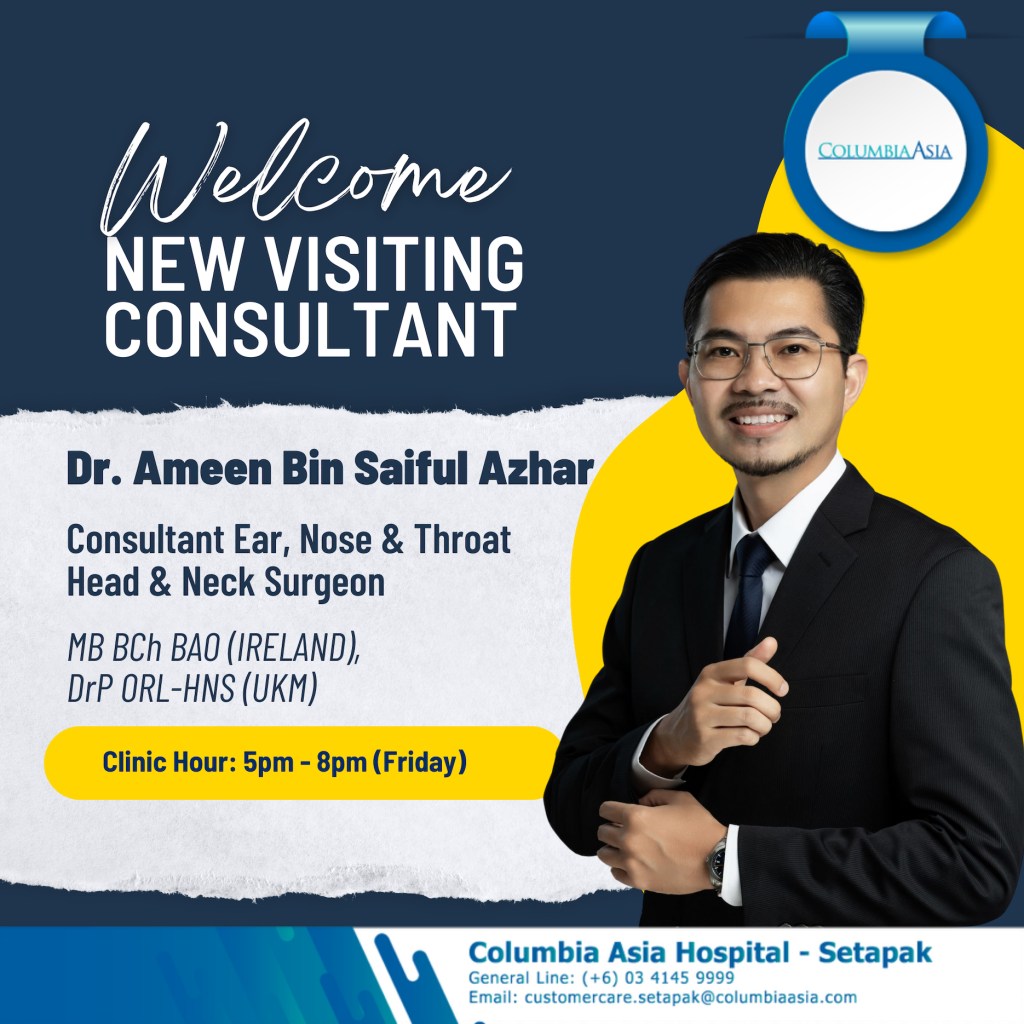




 Dr. Ameen, ENT Specialist in Kuala Lumpur
Leave a comment