



Sinus symptoms are common — antibiotics are not always the answer
Blocked nose, facial pressure, thick mucus, headache.
Many Malaysians immediately think: “I need antibiotics.”
Do you know why most sinus symptoms are not caused by bacteria?

Common causes of sinus-like symptoms
Most episodes are due to:
- Viral infections (common cold)
- Allergic rhinitis
- Non-infective inflammation
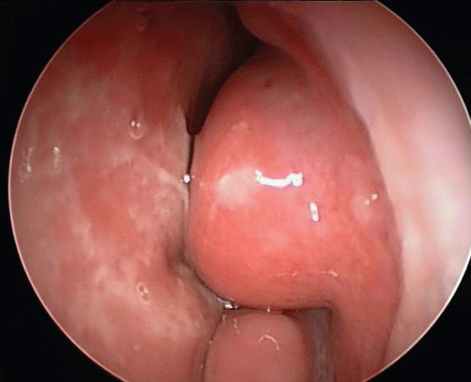
Only a small proportion are true bacterial sinus infections.
Viral vs bacterial sinusitis (simple guide)
More likely viral or allergic
- Symptoms less than 10 days
- Clear or watery mucus
- Sneezing, itchy eyes
- Gradual improvement
More likely bacterial
- Symptoms lasting more than 10 days
- High fever
- Severe facial pain
- Symptoms worsen after initial improvement

Why unnecessary antibiotics are a problem
Using antibiotics when not needed can cause:
- Side effects
- Antibiotic resistance
- Delayed proper treatment of the real cause

What usually works better first
- Saline nasal irrigation
- Proper allergy management
- Short-term nasal steroid sprays (when indicated)
- Avoid overuse of decongestant sprays

When to see an ENT specialist
ENT review is advised if:
- Symptoms are recurrent
- Smell is reduced for weeks
- Nasal blockage affects sleep
- You keep needing antibiotics
Key takeaway
Not all sinus symptoms mean infection.
Often, reducing inflammation works better than antibiotics.
Frequently Asked Questions
Is “resdung” the same as sinusitis?
The term “resdung” is often used loosely and may refer to allergy or sinus inflammation.
How long should sinus symptoms last before concern?
If symptoms persist beyond 10 days or worsen, seek medical advice.
Can allergy cause facial pain?
Yes. Swollen nasal lining can mimic sinus pressure.
Do I need a CT scan?
Not always. Imaging depends on symptoms and examination findings.
Can sinus problems affect ears?
Yes. Nasal inflammation can affect middle ear pressure.
Article reviewed by Dr Ameen, ENT Specialist Kuala Lumpur






 Dr. Ameen, ENT Specialist in Kuala Lumpur
Leave a comment